


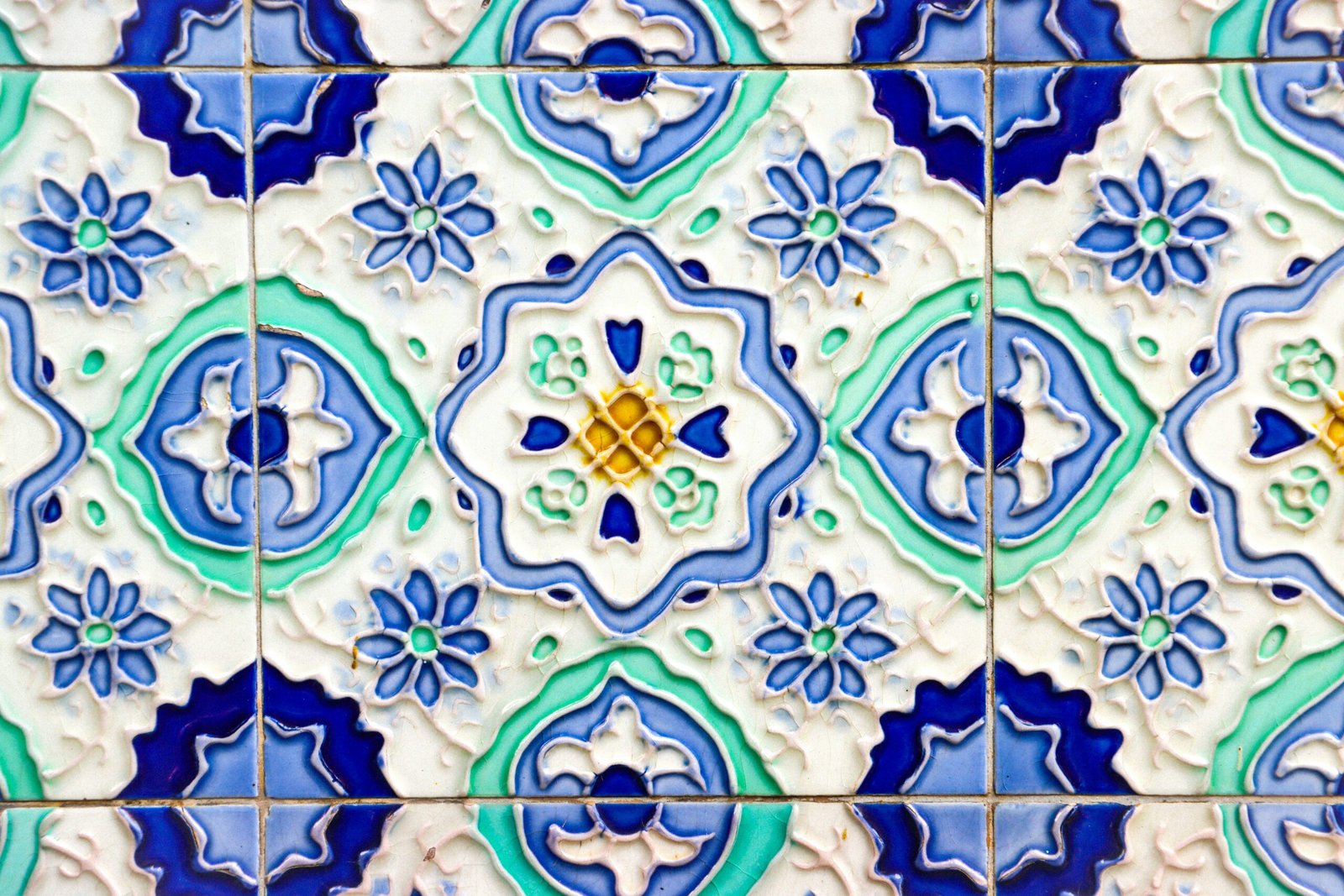
Revamp Your Space with Stylish Tiles! 🏡
Thinking about refreshing your home? Tiles are a fantastic way to add both style and practically to almost any room. Whether you’re looking to liven up a tired kitchen, create a spa-like bathroom, or even add some flair to your outdoor living area, there’s a tile out there for you. Let’s dive into how you can use stylish tiles to transform your space.
When you think of tiles, your mind might immediately jump to ceramic, but the world of tile materials is much broader and offers a range of looks, textures, and functional benefits. Choosing the right material is the first step in ensuring your tiled surfaces are as beautiful as they are durable.
Ceramic and Porcelain: The Tried and True
Ceramic and porcelain tiles are probably what most people envision when they hear “tile.” They are incredibly popular for good reason.
Ceramic Tiles: Classic and Accessible
Ceramic tiles are made from clay that’s fired in a kiln. They’re a great all-rounder, offering a wide variety of styles and colors at generally accessible price points.
Glazed vs. Unglazed Ceramic
Most ceramic tiles you’ll encounter are glazed. This means they have a protective coating applied before firing, which makes them less porous, easier to clean, and resistant to stains and moisture. Unglazed ceramic tiles are more rustic and raw, often used for a specific aesthetic.
- Pros: Affordable, huge design variety, easy to work with for DIY projects, good for walls and low-traffic floors.
- Cons: Can chip or crack if heavy objects are dropped, less dense than porcelain, can be slippery when wet depending on the finish.
Porcelain Tiles: The Heavy Hitter
Porcelain is a type of ceramic, but due to a higher firing temperature and a denser clay composition, it’s significantly stronger and less porous.
The Durability Advantage
This makes porcelain tiles incredibly durable, frost-resistant, and able to handle high foot traffic, making them ideal for busy kitchens, bathrooms, and even outdoor patios. They are also virtually stain-proof and very easy to maintain.
- Pros: Extremely durable, waterproof, stain-resistant, suitable for high-traffic areas and outdoors, resistant to frost and temperature changes.
- Cons: Can be more expensive than ceramic, harder to cut and install for DIYers, can be heavier.
Natural Stone: Timeless Elegance
For a touch of natural beauty and sophistication, natural stone tiles are an excellent choice. Each piece is unique, bringing its own character and timeless appeal to your home.
Marble: The Epitome of Luxury
Marble has been a symbol of luxury and elegance for centuries. Its distinctive veining and subtle shimmer can elevate any space, from a grand entryway to a serene bathroom.
Caring for Your Marble
While beautiful, marble is a softer stone and requires more care. It’s porous and can stain or etch from acidic substances. Sealing is crucial, and frequent cleaning with pH-neutral cleaners is recommended.
- Pros: Unmatched natural beauty, adds significant value to a home, cool to the touch (great for warmer climates).
- Cons: Expensive, porous and prone to staining/etching, requires regular sealing and careful maintenance, can be slick when wet.
Granite: Robust and Resilient
Granite offers a robust and often speckled appearance, symbolizing strength and durability. It’s less porous than marble, making it more resistant to stains and etching.
Granite’s Enduring Appeal
Granite is an excellent choice for high-traffic areas like kitchens and entryways. Its natural variations mean no two slabs are exactly alike, offering a unique look for your flooring or countertops.
- Pros: Very durable, heat-resistant, scratch-resistant, less porous than marble, relatively low maintenance once sealed.
- Cons: Can be expensive, heavy, requires sealing, colors can be limited by natural availability.
Slate: Rustic Charm and Texture
Slate tiles offer a more rustic and earthy aesthetic. Their natural, slightly uneven surface provides excellent slip resistance, making them a practical choice for areas prone to getting wet.
The Unique Texture of Slate
Available in a range of rich, earthy tones – from deep blacks and grays to greens and reds – slate brings a unique texture and character to any room.
- Pros: Excellent slip resistance, durable, natural and unique look, resistant to water and heat.
- Cons: Can flake over time (though modern finishes mitigate this), requires sealing, uneven surface can make cleaning tricky for some.
Beyond the Basics: Modern Tile Innovations
The tile industry is constantly evolving, bringing us innovative materials and finishes that offer enhanced performance and stunning aesthetics.
LVT (Luxury Vinyl Tile): The Practical Powerhouse
LVT has come a long way. Modern LVT offers incredibly realistic wood, stone, and tile looks in a format that’s waterproof, highly durable, and often much more affordable than the real thing.
Ease of Installation for LVT
Many LVT products feature click-lock or peel-and-stick installation, making them a fantastic option for DIY enthusiasts looking for a quick and impactful upgrade.
- Pros: Waterproof, highly durable, easy to install and maintain, wide range of realistic designs, budget-friendly.
- Cons: Not as scratch-resistant as some natural materials, can be damaged by extreme heat, can look less authentic up close than natural materials.
Glass Tiles: For a Dazzling Touch
Glass tiles bring a unique sparkle and luminosity to surfaces. They are perfect for adding a touch of glamour as a backsplash, accent wall, or even a shower enclosure.
Considerations for Glass Tiles
While visually stunning, glass tiles are generally more suited for walls and backsplashes as they can be more prone to chipping or scratching on floors. They also come in various finishes, from clear and frosted to colored and iridescent.
- Pros: Creates a luminous and high-end look, waterproof, easy to clean, available in vibrant colors and unique finishes.
- Cons: Can be more expensive, prone to chipping or scratching, can be slippery on floors, installation requires precision.
If you’re looking to enhance your home decor, you might find inspiration in the article on wall stickers, which discusses various creative ways to transform your space. For more ideas on how to elevate your interiors, check out this related article on wall stickers at Transform Your Space with Wall Stickers. Whether you’re considering stickers for tiles or other surfaces, this resource offers valuable insights into making your living areas more vibrant and personalized.
Designing with Tile: Trends and Techniques
Choosing materials is one part of the equation; how you use them to design your space is the other. Tile is incredibly versatile for creating specific looks and enhancing functionality.
Small Spaces, Big Impact: Maximizing Area with Tile Choice
When working with smaller rooms, your tile selection can make a significant difference in how spacious the area feels.
The “Bigger is Better” Myth (Sometimes)
While larger format tiles can create a sense of continuity and fewer grout lines, sometimes smaller tiles or intricate patterns can add depth and visual interest that makes a space feel more expansive.
- Tip: Using the same tile for both the floor and walls in a small bathroom can visually blur the boundaries, making the room feel larger.
Clever Grout Work: The Unsung Hero
Don’t underestimate the power of grout! The color of your grout can dramatically alter the look of your tile.
Dark Grout for Contrast
Using a dark grout with lighter tiles can create a bold, graphic look that highlights the individual tile shapes. This is a popular choice for subway tiles.
Light Grout for Seamlessness
Conversely, opting for a grout color that closely matches your tile can create a seamless, expansive feel, especially with larger format tiles.
- Pro-Tip: Consider epoxy grout for areas prone to staining, like kitchen backsplashes and shower floors. It’s more stain-resistant and doesn’t require sealing.
Pattern Play: Adding Personality with Layouts
The way you lay your tiles can transform a simple pattern into a statement piece.
Classic Subway Tile Layouts
Subway tiles are a timeless choice, and their arrangement can range from the traditional staggered brick pattern to a more contemporary stacked or vertical layout.
The Traditional Offset
This is the classic look where each row is offset by half a tile. It’s versatile and works well in most settings.
The Modern Stacked
Laying subway tiles in straight vertical or horizontal rows creates a clean, modern, and minimalist aesthetic.
Herringbone and Chevron: Dynamic Designs
These intricate patterns add movement and sophistication to any surface. They are particularly striking on floors or as accent walls.
Herringbone: The Chic Classic
The “V” shape of herringbone creates a visually dynamic and elegant pattern, often associated with high-end interiors.
Chevron: A Modern Twist
Similar to herringbone, but with a sharper, more angular “V” shape, chevron offers a sleek and contemporary feel.
Hexagons: A Timeless Geometric Favorite
Hexagonal tiles have seen a resurgence in popularity. They can be laid in a classic honeycomb pattern or mixed with different sizes and colors for a more abstract look.
Hexagons on the Floor
They offer excellent grip and can add a touch of playful design to a bathroom or kitchen floor.
Hexagons as a Feature Wall
Using larger hexagon tiles as a feature wall can create a modern and artistic focal point.
Creating Zones with Tile: Defining Spaces in Open Plans
In open-plan living, tiles are a brilliant way to visually delineate different areas without the need for physical walls.
Floor Transitioning
You can use a different tile on the floor to mark the boundary between your living room and dining area, or between your kitchen and the rest of the space.
Where to Make the Cut
Consider the flow of your home. A natural transition point, like where the carpet ends and a harder surface is needed, is a good place to introduce a tile change.
Wall Accents and Feature Areas
Even within a larger tiled area, you can use different tile types or patterns to create focal points. Think of a tiled niche in a shower or a different tile behind your stove.
The Backsplash as a Canvas
Your kitchen backsplash is a prime opportunity to showcase a more decorative or textured tile that adds personality to your cooking space.
Tile for Every Room: Bringing Style to Your Home

Tiles aren’t just for kitchens and bathrooms anymore. They can be used to great effect in almost every corner of your home.
The Kitchen: More Than Just a Splash Zone
The kitchen is the heart of the home, and its surfaces need to be both practical and stylish.
Backsplashes: The First Line of Defense (and Style)
This is where you can really have fun. From intricate mosaics to large format slabs, a backsplash can set the tone for your entire kitchen.
Practical Considerations for Backsplashes
- Ease of Cleaning: Opt for materials and grout that are easy to wipe down after cooking.
- Durability: Consider heat resistance if tiling behind the stove.
- Style: Match or contrast with your countertops and cabinetry.
Floors: The Workhorse of the Kitchen
Kitchen floors take a beating from dropped utensils, spilled liquids, and constant foot traffic.
Best Flooring Tile Options
- Porcelain: Highly durable, stain and water-resistant, easy to clean.
- Natural Stone (Granite, Slate): Beautiful and very durable, but require sealing and careful maintenance.
- LVT: Water-proof, very forgiving, and now available in stunning realistic designs that can mimic wood or stone.
The Bathroom: Creating a Personal Sanctuary
Bathrooms are spaces for relaxation and rejuvenation, and tile plays a key role in achieving that.
Shower Walls and Floors: Where Water Meets Style
This is a prime area for tile, especially in a shower where water resistance is paramount.
Non-Slip Surfaces are Key
- Textured Tiles: Matte finishes, and tiles with a natural texture like slate are generally more slip-resistant.
- Mosaic Tiles: The increased grout lines on mosaic floors can provide better traction.
- Specific Shower Tiles: Many tile manufacturers offer tiles specifically rated for shower floor use.
Beyond the Shower: Water Features and Aesthetics
Tiles can add a spa-like feel to your entire bathroom, from the vanity backsplash to the floor.
Consider the “Wet Zone”
Think about areas that will get consistently wet and choose materials accordingly. Porcelain and glazed ceramic are excellent choices for overall water resistance.
Creating a Cohesive Look
Using a consistent tile throughout the bathroom, or a complementary palette, can make the space feel more unified and larger.
Living Areas and Bedrooms: Unexpected Elegance
Don’t think tiles are only for “wet” rooms. They can add a sophisticated and durable layer to unexpected spaces.
Accent Walls: A Statement Piece
A tiled accent wall can a dramatic focal point in a living room or bedroom. Think textured stone, intricate patterns, or even a bold color.
Material Choice for Accent Walls
- Ceramic/Porcelain: Offer endless design possibilities.
- Natural Stone: Adds natural texture and warmth.
- Wood-look Tiles: Can bring the warmth of wood without the maintenance worries.
Feature Flooring: Durability Meets Design
For high-traffic areas like entryways or even living rooms, durable flooring is a must.
The Allure of Wood-Look Tiles
These tiles offer the warmth and aesthetic of natural wood but with superior durability and water resistance, perfect for busy homes.
- Pro-Tip: When using wood-look tiles, pay attention to the grout color to ensure it complements the wood tone, mimicking natural wood grain.
Outdoor Spaces: Extending Your Living Area
Your patio or balcony can become an extension of your home with the right outdoor tiles.
Patios and Decks: Weather-Resistant Choices
Outdoor tiles need to withstand the elements – sun, rain, frost, and foot traffic.
What to Look for in Outdoor Tiles
- Frost Resistance: Crucial for colder climates. Porcelain is often a good bet.
- Slip Resistance: Especially important for safety. Look for tiles with high COF (Coefficient of Friction) ratings.
- UV Resistance: Colors should not fade significantly in sunlight.
Balconies and Verandas: Style Meets Functionality
Even smaller outdoor spaces can be transformed with attractive and durable tiling.
Easy Installation Options
Many interlocking outdoor tile systems are available, making them a viable DIY project for balconies.
Installing and Maintaining Your Tiles: Tips for Longevity

The beauty of your tiles is only one part of the story. Proper installation and ongoing care are essential to ensure they look great for years to come.
The Installation Process: DIY vs. Professional
Deciding whether to DIY or hire a professional for tile installation is a big decision.
DIY Tile Installation: When to Tackle It
- Smaller Projects: Backsplashes, accent walls, or small bathroom floors are often good starting points.
- Simple Layouts: Straight lay patterns are easier than complex mosaics or herringbone.
- Patience and Precision: Requires time, careful measuring, and attention to detail.
Hiring a Professional Installer: When It’s Worth It
- Large or Complex Jobs: Full floor renovations, intricate patterns, or large-format tiles.
- Wet Areas: Bathrooms and showers require meticulous waterproofing to prevent future issues.
- Maximizing Durability: Professionals have the tools and experience to ensure tiles are laid correctly for maximum longevity.
Essential Tile Maintenance
Keeping your tiles looking their best is straightforward if you adopt a regular maintenance routine.
Daily and Weekly Cleaning
- Sweep or Vacuum: Remove loose dirt and debris regularly to prevent scratching.
- Damp Mopping: Use a pH-neutral cleaner and a damp (not soaking wet) mop for general cleaning. Avoid harsh chemicals, especially on natural stone.
Deep Cleaning and Protection
- Grout Cleaning: Grout can stain. Use a specific grout cleaner and a brush. Consider sealing grout for easier maintenance. Epoxy grout offers excellent stain resistance.
- Sealing Natural Stone: Most natural stone tiles need to be sealed periodically (check manufacturer recommendations) to protect against stains.
- Dealing with Stains and Etching: Promptly wipe up spills, especially acidic ones on marble or limestone. For etching on marble, professionals may be needed for repair.
If you’re looking to enhance your home decor, you might want to explore the benefits of using stickers for tiles, which can add a unique touch to your living space. These innovative designs not only offer a quick and affordable way to refresh your interiors but also allow for easy customization. For more inspiration on transforming your space, check out this article on 3D wall decals, which showcases various creative ideas that can complement your tile stickers beautifully.
The Finishing Touches: Grout and Edge Treatments
| Sticker for Tiles | Metrics |
|---|---|
| Size | Various sizes available |
| Material | Vinyl or PVC |
| Waterproof | Yes |
| Adhesive | Strong adhesive backing |
| Designs | Wide range of designs and patterns |
It’s the little details that make a big difference when it comes to tiling. Don’t overlook the grout and how you finish the edges.
The Power of Grout Color
As mentioned earlier, grout color has a significant impact on the overall look.
Contrast vs. Harmony
- Contrast: Dark grout on light tiles creates a bold, graphic statement.
- Harmony: Matching grout colors to tiles makes spaces feel larger and more cohesive.
Grout Types and Benefits
- Cementitious Grout: The most common type, available in many colors, but can be porous and stain. Needs sealing.
- Epoxy Grout: Highly durable, stain-resistant, and waterproof. Ideal for kitchens, bathrooms, and high-traffic areas. More expensive and trickier to install.
- Urethane Grout: Offers good flexibility and stain resistance, often used as a topping on cementitious grout.
Edge Treatments: Ensuring a Clean Finish
How you finish the edges of your tiled surfaces is crucial for both aesthetics and protection.
Transitioning to Other Materials
- Schluter Strips: These metal or plastic profiles are installed at the edge of a tiled area to provide a neat, clean transition to another flooring material or to protect the tile edge.
- Bullnose Tiles: Some tiles come with corresponding “bullnose” edge pieces that have a rounded finish for a softer transition.
Wall and Countertop Edges
- Caulking: A flexible sealant is often used at the intersection of tiles and walls or at the edge of countertops to prevent water ingress and provide a clean line.
- Trim or Molding: In some cases, a decorative trim piece can be used to cap the edge of a tiled backsplash or wall.
By considering these design elements, materials, and practical aspects, you can confidently revamp your space with stylish tiles that are both beautiful and built to last.