


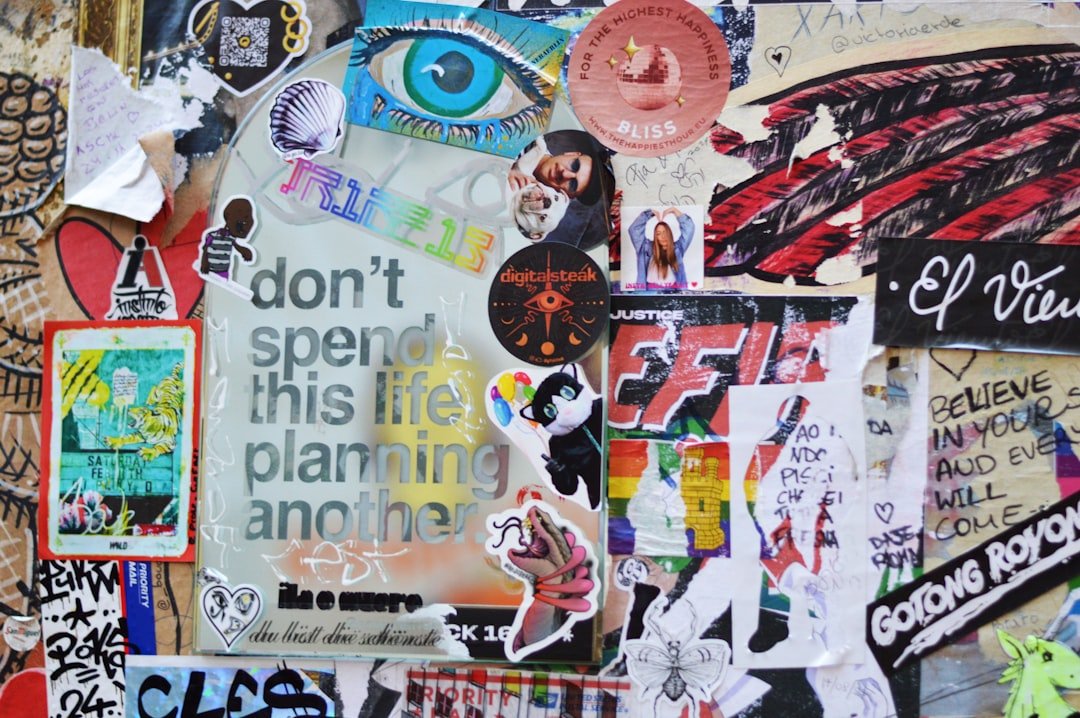
So, you’re looking to spruce up your walls without the hassle of paint or permanent fixtures? Wall stickers, also known as wall decals, are a fantastic way to do just that – they’re essentially large, adhesive vinyl graphics you can stick directly onto your walls. Think of them as giant, temporary peel-and-stick art that can dramatically alter the look and feel of a room without a huge commitment or extensive DIY skills.
What Exactly Are Wall Stickers?
At their core, wall stickers are made from thin vinyl with an adhesive backing. They come in an incredible variety of designs, from simple geometric shapes to intricate botanical patterns, quotes, and even photorealistic images. They’re designed to be applied to smooth, clean surfaces and can be removed without (ideally!) damaging the paint or leaving behind sticky residue, making them a very forgiving design choice.
There are several compelling reasons why wall stickers have become a popular decorating choice. They offer a unique blend of practicality and aesthetic appeal that can be hard to beat with traditional decorating methods.
Instant Visual Impact
One of the biggest draws of wall stickers is how quickly they can change the entire atmosphere of a room. Imagine a plain, खाली wall transformed into a vibrant mural or a subtle pattern in just an hour or two. This instant gratification is a major advantage for those who want a fresh look without the time-consuming process of painting or wallpapering.
Quick Room Refresh
Feeling like your living room is a bit… dull? A well-placed large floral decal behind your sofa can instantly introduce a focal point and a splash of color. It’s an almost immediate aesthetic upgrade.
Thematic Updates for Kids’ Rooms
For children’s rooms, wall stickers are a game-changer. You can easily switch from a dinosaur theme to a space theme as your child’s interests evolve, without having to repaint the entire room.
Budget-Friendly Decorating
Compared to other decorating options like hiring a painter, buying expensive artwork, or installing wallpaper, wall stickers are generally much more affordable. This makes them an excellent choice for anyone decorating on a budget, or for those who like to frequently change their decor.
Avoiding Painter Fees
A professional painter can be costly. With wall stickers, you’re essentially doing the “painting” yourself, but with a much simpler application process and no mess.
Less Expensive Than Artwork
Large canvases or framed prints, especially good quality ones, can run into hundreds or even thousands of dollars. A large, impactful wall sticker can achieve a similar visual statement for a fraction of the price.
No Commitment, Easy to Change
This is perhaps the biggest selling point for many people. Unlike paint or wallpaper, wall stickers aren’t a permanent fixture. If you get tired of a design, or your taste changes, you can simply peel it off and put up something new. This flexibility is invaluable in a rental property or for someone who enjoys redecorating regularly.
Ideal for Renters
Many rental agreements prohibit painting or making significant alterations. Wall stickers offer a way to personalize your space without violating your lease terms, as they are generally removable without damage. Always double-check your agreement, of course.
Keeps Decor Fresh and Flexible
If you’re someone who likes to follow trends or simply enjoys a fresh look every few years (or even months!), wall stickers allow you to do so without extensive effort or cost.
If you’re looking to elevate your space with creative designs, you might find inspiration in this article about enhancing your school with 3D wall decor. It offers innovative ideas on how to transform ordinary walls into vibrant, engaging environments that can stimulate learning and creativity. To read more about these exciting options, check out the article here: Enhance Your School with 3D Wall Decor.
Choosing the Right Wall Stickers for Your Space
With the sheer variety available, selecting the perfect wall stickers can feel a bit overwhelming. It boils down to understanding your space, your personal style, and the practicalities of the sticker itself.
Consider Your Room’s Function and Style
Before you even start browsing designs, think about the room you’re decorating. A design that works well in a playful nursery might be out of place in a sophisticated dining room.
For Living Areas
In living rooms, you might opt for elegant botanical designs, abstract patterns, or a large quote that resonates with you. Focus on designs that complement your existing furniture and color scheme, perhaps adding a touch of texture or a pop of color.
For Bedrooms
Bedrooms often benefit from calming, serene designs. Think soft floral patterns, gentle landscapes, or minimalist geometric shapes. Over-the-bed decals can create a focal point, replacing or complementing a headboard.
For Kitchens and Dining Rooms
Here, you might consider food-related themes, coffee quotes, or even simple borders to define spaces. Just be mindful of heat and moisture if applying near cooking areas – some decals might not hold up as well.
For Children’s Rooms
This is where you can really let loose with imagination. Animals, cartoon characters, space themes, castles, cars, trees – the options are endless. Consider interactive elements like growth charts or glow-in-the-dark stars.
For Offices or Creative Spaces
Motivational quotes, abstract art, or even cityscapes can work well here, fostering an inspiring or focused environment.
Material Quality and Longevity
Not all wall stickers are created equal. The quality of the vinyl and adhesive can significantly impact how easy they are to apply, how good they look, and how well they stand the test of time.
Vinyl Type
Most wall stickers are made from PVC vinyl. Look for options that are matte, as they tend to look more like paint and reduce glare. Thicker vinyl can be easier to apply without bubbles or creases. Some higher-end options might use fabric-based materials for a more premium, textured feel.
Adhesive Strength
A good wall sticker will have an adhesive strong enough to stick firmly but gentle enough to be removed without damage. Reputable brands usually get this balance right. Extremely cheap stickers might leave residue or peel paint.
Durability and Cleaning
Consider if the sticker needs to be washable. For kitchens or kids’ rooms, a sticker that can be gently wiped down with a damp cloth is beneficial. Check the product specifications for cleaning instructions.
Size and Scale
This is crucial. A design that looks great in a small image online might be too overwhelming or too small for your actual wall. Always measure your space and visualize the decal’s dimensions.
Measure Your Wall
Before ordering, measure the area where you intend to place the sticker. Use painter’s tape to mark out the approximate size on your wall to get a real-world feel for its scale.
Don’t Overwhelm the Space
A common mistake is choosing a decal that’s too large for the wall, making the room feel cramped. Conversely, a tiny sticker on a vast wall can look lost. Aim for balance.
Consider Negative Space
The empty space around the decal is just as important as the decal itself. Ensure there’s enough “breathing room” to allow the design to stand out without feeling cluttered.
Applying Your Wall Stickers Like a Pro
Applying wall stickers isn’t rocket science, but a little preparation and care can make all the difference between a frustrating experience and a perfectly smooth finish.
Prepare Your Wall Surface
This is arguably the most critical step. A dirty, dusty, or improperly primed wall will lead to poor adhesion and a messy result.
Clean Thoroughly
Wipe down the wall with a damp cloth to remove any dust, dirt, or grease. For stubborn marks, a mild soap solution might be necessary, but ensure the wall is completely dry before proceeding. Any residual moisture will prevent proper adhesion.
Ensure Smoothness
Wall stickers adhere best to smooth, flat surfaces. Textured walls (like heavily textured wallpaper or popcorn ceilings) are generally not suitable as the sticker won’t be able to make full contact, leading to peeling.
Fresh Paint Cautions
If you’ve recently painted, wait at least two to three weeks for the paint to fully cure. Applying stickers too soon can result in the paint being pulled off when you remove the decal.
Essential Tools for Application
You don’t need much, but having the right few items makes the process much smoother.
Squeegee or Credit Card
This is indispensable for smoothing out the decal and removing air bubbles. Most good quality stickers come with one. If not, a credit card wrapped in a soft cloth will do the trick.
Measuring Tape and Level
For precise placement, especially for geometric designs or quotes. Nobody wants a crooked quote!
Masking Tape
Useful for temporarily holding the decal in place during positioning.
Scissors or Craft Knife
For cutting multi-piece decals or trimming away backing paper.
Step-by-Step Application Guide
While instructions can vary slightly between manufacturers, the general process is as follows:
Plan Your Placement
Hold the sticker (or segments of it if it’s large) up to the wall using masking tape. Step back and view it from different angles. Make sure it’s centered, level, and aesthetically pleasing. Once you’re happy, mark the top corners lightly with a pencil.
Peel and Stick Gradually
This is often the trickiest part. Don’t peel off the entire backing at once. Start from one corner, slowly peeling back a small section of the backing paper. As you peel, firmly press the exposed sticker onto the wall using your squeegee, working from the center outwards to push out air bubbles.
Smooth as You Go
Continue peeling the backing paper an inch or two at a time, working your way across or down the decal. With each section, firmly smooth the sticker onto the wall with your squeegee, applying even pressure. Overlap your strokes slightly to ensure maximum contact.
The Transfer Tape Method
Many decals come with a clear transfer tape on top. In this case, you’d apply the entire decal (with its transfer tape) to the wall. Once smoothed out, you’d then slowly peel away the transfer tape, leaving only the vinyl design on the wall. This is particularly effective for intricate designs.
Address Air Bubbles
Small air bubbles are common. For minor ones, you can often push them to the edge with your squeegee. For stubborn ones, you can carefully pierce them with a fine needle and then smooth them down.
Common Problems and How to Solve Them
Even with careful application, you might encounter a few hurdles. Knowing how to address them can save you frustration.
Peeling Edges or Corners
This is often due to insufficient pressure during application, a dirty wall, or sometimes, a very slightly textured surface.
Re-activation and Pressure
If you notice an edge peeling, try re-applying firm pressure with your squeegee. Sometimes the adhesive just needs to be “activated” more thoroughly.
Heat Application
For stubborn areas, a quick blast of warm air from a hairdryer (on a low setting, held a few inches away) can sometimes soften the vinyl and adhesive, allowing you to press it firmly back down.
Additional Adhesive (Use with Caution)
As a last resort for very persistent peeling, you could try a tiny dot of spray adhesive (like a craft adhesive) on the back of the peeling edge, applied very carefully to avoid spraying the wall. This can make removal more challenging later.
Air Bubbles Galore
While some small bubbles are normal, a wall full of them means you likely rushed the application or didn’t use enough pressure.
Smooth Them Out
As mentioned, use your squeegee to push bubbles towards the nearest edge.
Needle Prick Method
For trapped bubbles, a fine needle or pin can create a tiny escape route for the air. After pricking, smooth the area with your squeegee. The hole is usually invisible once flattened.
Damage During Removal
While generally designed to be removable without damage, there are instances where paint can come off.
Warmth Helps
If a decal is being particularly stubborn during removal, gently warm it with a hairdryer on a low setting. This softens the adhesive, making it easier to peel.
Slow and Steady
Always peel slowly, at a sharp angle (pulling parallel to the wall, not straight out). If you feel resistance or see paint lifting, slow down even more and apply more heat.
Test in an Inconspicuous Area
If you’re unsure about your paint’s durability, test a small, inconspicuous corner of the decal on a hidden part of your wall first, wait a day, and then try removing it.
If you’re looking to enhance your living space with creative decor, wall stickers can be a fantastic option. They offer a versatile way to express your personality and style without the commitment of paint or wallpaper. For more inspiration on how to use wall stickers effectively in your home, check out this insightful article on decorating with wall stickers. Whether you prefer bold designs or subtle accents, there are countless ways to transform your walls into a reflection of your unique taste.
Creative Ideas for Using Wall Stickers
| Category | Number of Designs | Material | Price Range |
|---|---|---|---|
| Kids | 50 | Vinyl | 10 – 30 |
| Quotes | 30 | Removable adhesive | 5 – 20 |
| Floral | 20 | Matte finish | 15 – 40 |
Beyond just slapping a single decal on a blank wall, there are many imaginative ways to incorporate wall stickers into your decor.
Creating Feature Walls
Instead of painting an entire wall a bold color, use a large, striking wall sticker to create an instant feature or accent wall. This could be a dramatic floral pattern, a city skyline, or an abstract geometric design.
Themed Backdrops
In a dining room, a wine-themed decal can create a focal point. In a nursery, a forest scene with animals. The possibilities are vast.
Grouping Smaller Decals
Don’t feel limited to one large piece. A collection of smaller, complementary decals can be arranged to form a larger display, almost like a gallery wall without the frames.
Repeating Patterns
Create your own “wallpaper” effect using multiple smaller, identical decals arranged in a repeating pattern. This gives the look of wallpaper but with the flexibility of stickers.
Storytelling Through Decals
In a child’s room particularly, you can use multiple decals to tell a story or create a scene, fostering imagination and play.
Beyond the Wall: Sticker Applications
Wall stickers aren’t just for walls! Their adhesive nature means they can stick to many smooth, flat surfaces.
Furniture Upgrades
Give old dressers, tables, or cabinets a facelift by applying decals to their surfaces. This is a great way to personalize IKEA furniture, for instance.
Appliance Customization
Want to add a little flair to your fridge or dishwasher? Smaller decals can be a fun way to do this. Just ensure the surface is clean and smooth.
Door Decor
Transform plain interior doors with a clever decal – perhaps a library bookshelf, a secret garden, or a simple graphic pattern.
Layering and Customization
For a truly unique look, consider layering different decals or combining them with other decor elements.
Decals with Paint
Paint a block of color on your wall and then apply a decal over it. This can create a depth and contrast that a single decal alone might not achieve.
Framing Decals
While not actual frames, you can use thin border decals to “frame” a larger central decal, creating a more finished, artwork-like appearance.
In conclusion, wall stickers offer a versatile, affordable, and commitment-free way to truly transform your living spaces. They empower you to inject personality, define styles, and refresh rooms with minimal effort and maximum impact. With a bit of planning and careful application, you can achieve professional-looking results that reflect your taste without the fuss of traditional decorating methods.