


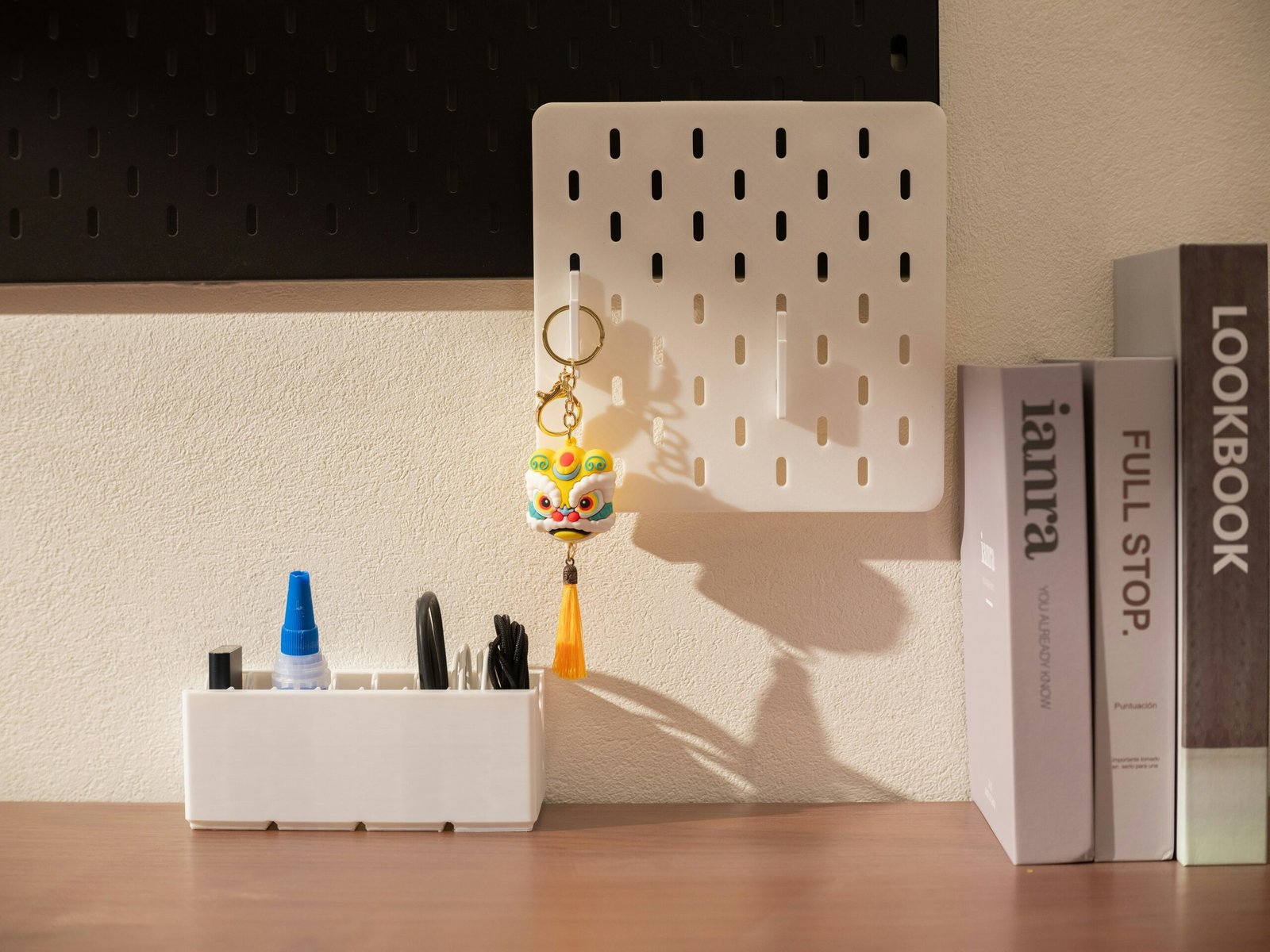
So, you’re thinking about jazzing up your walls and wondering if 3D wall decor is the way to go? Absolutely! It’s a fantastic way to add depth, texture, and a seriously unique vibe to any room, making your space stand out from the usual flat-on-the-wall situation. We’re talking about elements that pop, catch the light, and instantly grab attention.
Why Go 3D with Your Walls?
Forget boring, flat canvases and predictable wallpaper. 3D wall decor is about bringing your interior design to life. It’s more than just something to look at; it’s an experience. Think about how a sculpture in a garden draws your eye, or how architectural details give a building character. 3D wall decor does that for your home. It adds a tactile and visual dimension that flat surfaces just can’t replicate. It’s a chance to inject personality, create focal points, and genuinely transform a space from ordinary to extraordinary.
Moving Beyond the Flatline
For ages, wall decor was pretty much limited to paintings, prints, and mirrors. While those have their place, they’re static. They exist on a single plane. 3D decor breaks that barrier. It’s about creating shadow play, casting projections, and offering a sense of movement and dimension. This can make a room feel larger, more dynamic, and frankly, a lot more interesting.
What Exactly Counts as 3D Wall Decor?
This is a broad category, and that’s good news because it means there are options for every taste and budget. Generally, anything that protrudes from the wall and has significant depth qualifies. This could range from intricately carved panels to geometric reliefs, sculptural elements, and even cleverly designed shelving that acts as art. It’s about bringing a sculptural quality into your living space.
If you’re looking to elevate your space with unique design elements, consider exploring the world of 3D wall decoration. A related article that delves into this topic is available at Enhance Your School with 3D Wall Decor, which provides insights on how 3D wall decor can transform educational environments. This article highlights various creative ideas and practical tips for incorporating three-dimensional designs that not only beautify walls but also inspire creativity and engagement among students.
Types of 3D Wall Decor to Consider
The world of 3D wall decor is surprisingly diverse. You’re not limited to one style or material. This variety means you can find something that perfectly complements your existing decor or sparks an entirely new design direction.
Sculptural Panels and Reliefs
These are probably what come to mind first when you think of 3D wall art. They are designed to be mounted on your wall and literally stand out. They come in countless designs, from organic, flowing shapes inspired by nature to sharp, geometric patterns.
Material Matters: From Wood to Metal
The material profoundly impacts the look and feel of sculptural panels.
- Wood: Warm, natural, and versatile, wood panels can be carved, layered, or laser-cut to create intricate designs. They can be left natural for a rustic feel, stained for a richer look, or painted to match your color scheme. Think of wooden lattices, carved reliefs, or stacked geometric wood pieces.
- Metal: Metal offers a sleek, modern, or industrial aesthetic. Aluminum, steel, or brass can be cut, bent, or welded into stunning three-dimensional forms. These can range from polished, reflective pieces that play with light to textured, patinated finishes for a more vintage or edgy vibe. Think of brushed metal geometric designs or abstract metallic sculptures.
- Plaster and Gypsum: These materials allow for very fine detail and can be molded into elaborate reliefs. They often have a matte finish and can be painted to blend seamlessly with your walls or stand out as a statement piece. Think of ornate, classical-inspired carvings or contemporary abstract designs.
- Foam and Polystyrene: Lighter and more affordable, these materials can be coated or finished to mimic the look of heavier materials. They are excellent for large-scale installations or for creating dynamic textures without significant weight stress on your walls. They’re often used for faux brick, stone, or even elaborate custom shapes.
Design Trends in Reliefs
The styles are as varied as the materials.
- Geometric Patterns: Think repeating hexagons, sharp angles, or interlocking shapes. These offer a modern, clean aesthetic and can create a sense of order and rhythm on your wall.
- Organic Forms: Inspired by nature, these can include wave-like patterns, leaf motifs, or abstract floral designs. They bring a sense of movement and softness to a space.
- Abstract Sculptures: These are open to interpretation and can be highly expressive. They might be flowing, dynamic forms or rigidly geometric compositions that challenge the viewer.
- Mural-like 3D: Some panels are designed to fit together to create a larger, continuous 3D mural effect. This can be incredibly impactful for a feature wall.
Textured Wall Panels and Tiles
This category is a bit more about surface and less about dramatic protrusion, but the tactile quality and the way they interact with light are decidedly 3D. These often come in modular tiles that you can arrange on your wall.
The Power of Texture
Texture is key here. It’s about how the surface feels and how it absorbs or reflects light.
- 3D Geometric Tiles: These are made of various materials like PVC, EVA foam, or even bamboo and wood. They have raised patterns, ridges, or recessed areas that create shadow and depth. Imagine a wall covered in raised, wave-like tiles or sharp, angular patterns.
- Faux Materials: Wall panels that mimic brick, stone, wood, or even concrete. While the material might be lighter, the visual and tactile cues are strong, creating a substantial, dimensional effect. These can be excellent for achieving a specific architectural look without professional installation or the weight of real materials.
- Fabric-Covered Panels: While less common for extreme 3D effects, fabric-covered acoustic panels can have a soft, dimensional quality and add warmth, especially if they feature stitched patterns or quilted designs.
Practical Considerations for Textured Tiles
- Installation: Many textured tiles are self-adhesive, making them a relatively straightforward DIY project. Others might require professional installation or a specific adhesive.
- Durability and Cleaning: Consider how easy they will be to clean, especially in high-traffic areas or kitchens. Materials like PVC or coated foam are generally easier to wipe down than porous materials.
- Sound Absorption: Some textured panels, particularly those made from softer materials or designed with specific perforations, can offer acoustic benefits.
Architectural Molding and Trim Additions
This is a more subtle, yet incredibly effective, way to introduce 3D elements without committing to a full statement piece. Think of extending or layering existing molding.
Elevating Classic Trim
While traditional crown molding and baseboards add a touch of elegance, you can push this further.
- Layered Molding: Combining different profiles of molding can create a tiered, dimensional effect. For example, a wider base molding with a narrower decorative molding placed above it. This adds intricate detail and a more custom, built-in feel.
- Applied Molding Designs: Using individual molding pieces to create decorative patterns on flat walls. Think of creating geometric shapes, frames, or even faux wainscoting that projects from the wall. This is fantastic for adding an architecturally interesting element without the expense of complex paneling.
- Wider and Deeper Profiles: Simply opting for larger, more substantial molding styles than standard builder-grade options can make a significant visual impact. The increased depth creates more pronounced shadow lines and a more luxurious feel.
Creating Feature Walls with Molding
- Geometric Patterns: Think of a grid of squares or rectangles created with molding on an accent wall. This can be painted a contrasting color to make the pattern really pop.
- Framed Artwork Areas: Use molding to create “frames” on your walls. You can then paint the inside of the frame a different color or even apply wallpaper, making the wall itself a canvas.
- Faux Paneling and Wainscoting: Molding can be used to mimic the look of expensive wood paneling or traditional wainscoting, adding character and depth to hallways, dining rooms, or living areas.
The Visual Impact of 3D Decor
It’s not just about what it is; it’s about how it changes the way your room looks and feels. 3D elements play with light and shadow, creating a dynamic and engaging environment.
Light and Shadow Play
This is arguably the most significant advantage of 3D wall decor. As light hits the surfaces, it creates shadows. These shadows shift throughout the day, making your walls seem alive.
Creating Depth and Dimension
- Highlighting Textures: The relief and texture of 3D decor will be emphasized by the shadows cast. Think of how a carved wooden panel looks different in direct sunlight versus indirect light.
- Adding Perceived Space: In smaller rooms, strategic use of 3D elements can actually make the space feel larger. The depth can create an illusion of it extending beyond the flat wall.
- Focal Point Creation: A well-placed 3D piece naturally draws the eye. It becomes a focal point, guiding attention and establishing the style of the room.
The Role of Lighting Fixtures
- Directional Lighting: Using spotlights or track lighting aimed at your 3D decor can dramatically enhance the shadow play and texture. Experiment with different angles to see how the effect changes.
- Ambient Lighting: Even general room lighting will interact with your 3D elements, creating softer, more diffused shadows that contribute to the overall atmosphere.
Making a Statement
3D wall decor is inherently more eye-catching than flat art. It’s a bold choice that says you’re not afraid to personalize your space.
Beyond the Background
- Turning Walls into Art: Instead of hanging art on the wall, you’re making the wall itself a work of art. This shifts the entire dynamic of the room’s design.
- Expressing Personality: Whether you choose minimalist geometric shapes or ornate, flowing designs, your 3D decor is a direct reflection of your aesthetic. It’s a way to inject your unique style into your home.
- Conversation Starters: Unique 3D wall art is bound to get noticed and commented on. It can spark conversations and give guests a glimpse into your creative sensibilities.
Strategically Placed Pieces
- Over Furniture: A large 3D panel placed behind a sofa or bed can anchor the space and add a dramatic backdrop.
- In Entryways: Welcoming guests with striking 3D decor in your entryway sets a sophisticated tone from the moment they step inside.
- On Blank Walls: Don’t let a blank wall be boring. It’s an opportunity waiting for a 3D transformation.
Sure, here is the sentence with the clickable link:
I found the most amazing collection of Top Selling Wall Stickers at Wallstickr.
Practicalities: Installation and Maintenance
It’s all well and good to talk about stunning visuals, but how do you actually get it on your wall, and how do you keep it looking good?
Installation Methods
The installation process will vary significantly depending on the type and material of your 3D decor.
DIY vs. Professional
- Lightweight, Self-Adhesive Options: Many textured tiles made from foam or PVC are designed for DIY installation. They often come with strong adhesive backing, requiring careful alignment and firm pressure.
- Modular Panels: Larger panels, especially those made of wood or metal, might require mounting systems like French cleats, keyhole hangers, or direct screw-mounting into studs. This is generally manageable for those with basic DIY skills and tools.
- Heavy or Intricate Pieces: Very heavy items, large relief sculptures, or complex installations might be best left to professional installers to ensure safety and a flawless finish. This is especially true if significant wall modification or specialized mounting hardware is needed.
Key Installation Tips
- Prepare Your Walls: Ensure your walls are clean, dry, and free from dust or grease. For heavier items, locate wall studs for secure mounting.
- Measure Twice, Cut Once (or Mount Once): Carefully plan the layout. Use a level and measuring tape to ensure everything is straight and evenly spaced.
- Follow Manufacturer Instructions: Always consult the specific installation guide provided by the manufacturer, as materials and recommended adhesives can differ.
Maintenance and Cleaning
Keeping your 3D decor looking its best is usually straightforward, but it’s good to know what to expect.
Material-Specific Care
- Painted Surfaces: Use a soft cloth or sponge with mild soap and water. Avoid abrasive cleaners or harsh chemicals that could damage the paint or finish.
- Wood: For unfinished or oiled wood, a specialized wood cleaner can be used. For painted or sealed wood, a damp cloth is usually sufficient.
- Metal: Polished metals might require metal polish to maintain shine. Brushed or patinated metals are often best cleaned with a damp cloth to avoid altering the finish.
- Foam or PVC: These are usually very easy to clean. A damp cloth with mild soap is typically all that’s needed.
Dealing with Dust and Cobwebs
- Regular Dusting: A soft duster, a microfiber cloth, or even a vacuum cleaner with a brush attachment on a low setting can help keep dust from accumulating in the textures and crevices.
- Reaching High Places: For taller installations, consider a duster with an extendable handle.
If you’re looking to enhance your home with unique designs, exploring the world of wall decoration can be incredibly rewarding. One innovative approach is incorporating 3D elements that add depth and texture to your spaces. For inspiration on how to transform your walls, you might find this article on custom wall graphics particularly helpful, as it showcases various creative ideas that can revamp your environment and make a lasting impression.
Where to Use 3D Wall Decor
The beauty of 3D wall decor is its versatility. It’s not confined to just one or two rooms. You can enhance almost any area of your home.
Living Areas: Creating Conversation and Comfort
Your living room is often the heart of your home, where you entertain and relax. 3D decor can make this space truly memorable.
Feature Walls with Impact
- Behind the Sofa: A large, sculptural panel or a textured tile wall behind your main seating area acts as a stunning focal point and adds a sense of luxury.
- Accent Wall: Choose one wall to transform. This could be an empty wall opposite the entrance, or a wall that you want to draw attention to. Geometric panels can invigorate a minimalist living room, while organic forms can add warmth and flow.
- Around Fireplaces: 3D elements can beautifully complement the warmth and visual interest of a fireplace. Think of textured stone-effect panels or carved wood around the hearth.
Subtle Enhancements
- Shelving as Art: Floating shelves arranged in a visually interesting pattern can serve as both functional storage and 3D art.
- Decorative Overlays: Small, intricately carved wooden overlays can be applied to plain surfaces or existing furniture for a touch of dimensional elegance.
Bedrooms: Tranquility and Personal Style
Your bedroom should be a sanctuary, and 3D decor can help create a unique and comforting atmosphere.
Creating a Serene Backdrop
- Behind the Bed: A textured headboard wall is a popular choice. Consider softer textures like fabric-covered panels or natural wood designs to promote relaxation.
- Calming Palettes: Opt for soothing colors and patterns. Geometric designs in muted tones or abstract natural forms can contribute to a peaceful ambiance.
- Personal Touches: Choose designs that resonate with your personal style, making your bedroom a true reflection of you.
Functional Art Pieces
- Integrated Lighting: Some 3D panels can have integrated LED lighting, providing ambient mood lighting in your bedroom.
- Mirror Accents: Faux stone or wood-effect panels with embedded mirrors can add depth and reflect light, making the room feel more spacious.
Dining Rooms and Entryways: First Impressions Count
These are spaces where you want to make a strong statement and give guests a memorable first impression.
Welcoming Guests
- Entryway Statements: A dramatic 3D piece in an entryway can immediately set the tone for your home. Think of bold geometric patterns or striking metallic sculptures.
- Hallway Transformations: Long, often overlooked hallways can be brought to life with a series of smaller 3D tiles or panels along one side.
Enhancing the Dining Experience
- Above the Dining Table: A statement 3D piece mounted above your dining table can serve as a conversation starter during meals. Consider designs that are visually interesting but not overly distracting.
- Buffet or Sideboard Wall: A textured wall behind your buffet or sideboard can add sophistication and depth to your dining area.
Beyond the Main Rooms: Unexpected Places
Don’t limit your imagination! 3D decor can be a fantastic addition to less conventional spaces.
Kitchen Backsplashes
- Modern Materials: Backsplashes made of 3D tiles (e.g., metallic, glass-effect, or geometric PVC) can add a contemporary edge and are often easy to clean.
- Textured Faux Materials: Faux brick or stone backsplashes can bring a rustic or industrial charm to your kitchen.
Home Office Spaces
- Inspiring Backdrops: A visually engaging wall in your home office can boost creativity and make video calls more interesting. Consider motivational or calming designs.
- Acoustic Benefits: Some textured panels can help absorb sound, which can be beneficial in a home office environment.
Kids’ Rooms and Nurseries
- Playful Textures: Foamboard or lightweight plastic panels with fun shapes (animals, stars, clouds) can add a playful and tactile element.
- Soft and Safe: Ensure materials are non-toxic and have no sharp edges.
Choosing the Right 3D Decor for Your Style
With so many options, how do you narrow it down? It’s about understanding your existing style and what you want to achieve.
Matching Your Existing Decor
- Modern/Minimalist: Opt for clean lines, geometric shapes, and neutral colors. Think metallic finishes, sleek geometric panels, or subtly textured monochrome tiles.
- Rustic/Farmhouse: Embrace natural materials like wood. Consider carved wood panels, faux wood tiles, or textured plaster finishes that mimic natural stone.
- Bohemian: Go for more organic, flowing shapes, vibrant colors, or intricate patterns. Think handcrafted-look panels or richly textured, multi-dimensional pieces.
- Industrial: Metal finishes, faux concrete textures, or designs that mimic exposed brick are excellent choices.
Budget Considerations
3D wall decor can range from very affordable DIY options to high-end custom installations.
Affordable DIY Options
- Foam and PVC Tiles: These are often the most budget-friendly options, providing significant visual impact for their cost.
- Applied Molding: Painting and layering molding can create a custom look without breaking the bank.
- DIY Reclaimed Materials: Using reclaimed wood or other materials can be cost-effective and add character.
Mid-Range Choices
- Wood or Metal Panels: Many mass-produced wood and metal panels offer a good balance of quality and price.
- Textured Wall Coverings: Higher quality textured wallpapers or panels can offer excellent dimensionality.
Premium and Custom Options
- High-End Sculptural Art: Bespoke metal sculptures or intricately carved stone panels will be an investment.
- Custom Installations: Hiring a designer or fabricator for a unique, large-scale 3D feature wall will naturally be at the higher end of the budget.
By considering these factors, you can confidently select 3D wall decor that not only enhances your space but also fits your personal taste and budget. It’s about adding that extra layer of visual interest and personality that can truly transform a house into a home.
FAQs
What is 3D wall decoration?
3D wall decoration refers to the use of three-dimensional elements to enhance the visual appeal of a wall. This can include textured wall panels, sculptural wall art, or other three-dimensional designs that add depth and interest to the space.
What are the benefits of 3D wall decoration?
3D wall decoration can add visual interest and depth to a space, creating a more dynamic and engaging environment. It can also help to conceal imperfections in the wall surface and provide a unique focal point for the room.
What materials are commonly used for 3D wall decoration?
Common materials used for 3D wall decoration include wood, metal, plastic, and composite materials. These materials can be formed into various shapes and designs to create a range of visual effects.
How can 3D wall decoration be installed?
3D wall decoration can be installed using a variety of methods, depending on the specific materials and design. Some options include adhesive mounting, hanging hardware, or interlocking panels that can be attached directly to the wall surface.
Where can 3D wall decoration be used?
3D wall decoration can be used in residential and commercial spaces, including living rooms, bedrooms, offices, restaurants, and retail stores. It can be applied to both interior and exterior walls, depending on the material and design.