


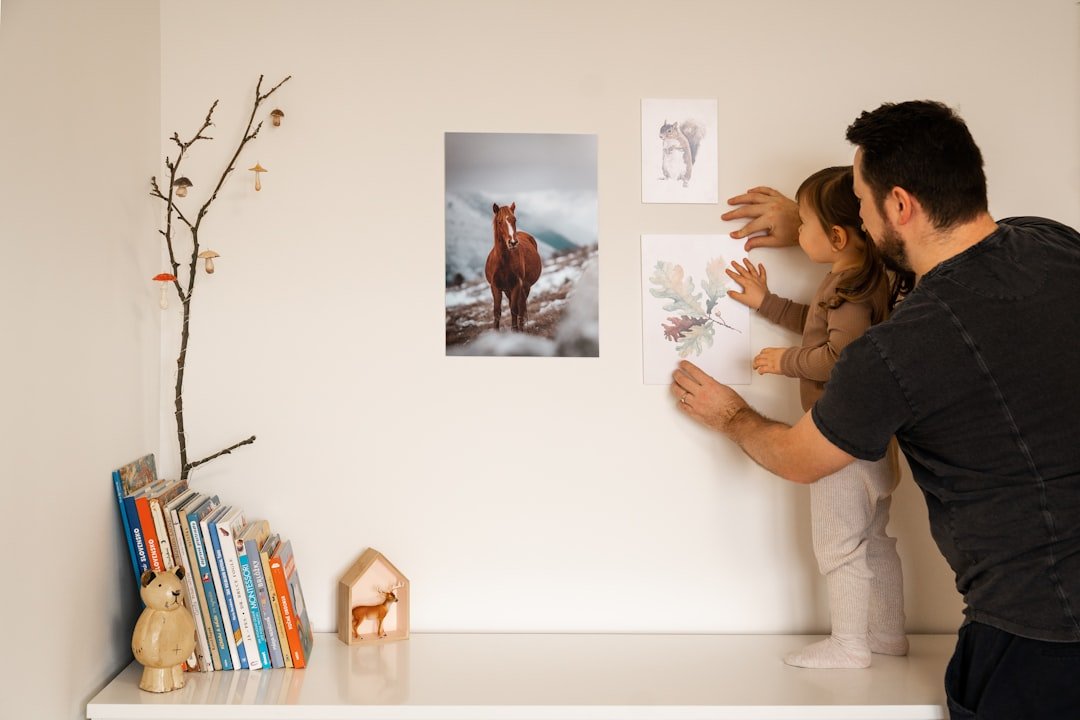
Peel and stick wall decor can definitely transform your space without the fuss of traditional wallpaper or paint. It’s a fantastic option for anyone looking for a quick, relatively mess-free update, especially if you’re renting or just not ready for a permanent commitment. Think of it as a flexible way to add personality and style to your walls that you can change up as often as you like.
At its core, peel and stick wall decor is exactly what it sounds like: decorative materials designed to adhere to your walls without the need for adhesives like glue or paste. They typically come in large sheets or panels, often made of vinyl or a similar flexible material. You simply peel off a backing paper, revealing a sticky surface, and press it onto your wall.
The Material Matters
The majority of peel and stick wall decor is made from vinyl. This is a durable and forgiving material that can often be wiped clean, making it practical for high-traffic areas. Some premium options might incorporate fabric textures or even be made from more sustainable materials, but vinyl remains the most common.
How It Adheres
The adhesive is usually a water-based or repositionable adhesive. This is key for its ease of use and the fact that it can often be removed without damaging most painted surfaces. The stickiness is designed to hold firm but not to become a permanent fixture.
Different Forms It Takes
Peel and stick isn’t just about solid-color sheets. You’ll find a huge variety:
Wallpaper and Murals
This is the most common form. You can get everything from subtle patterns and textures to bold, graphic designs and full-scale murals that cover an entire wall.
Decals and Stickers
These are usually smaller, individual elements. Think of things like quotes, botanicals, geometric shapes, or even characters if you’re decorating a kid’s room.
Tile-Effect Panels
These mimic the look of traditional tiles – subway tiles, mosaics, even wood or brick – without the actual tiling work. They’re often a popular choice for backsplashes or accent walls.
If you’re looking to enhance your living space with minimal effort, consider exploring the world of peel and stick wall decor. A great resource for inspiration and ideas can be found in this article on Wallstickr, which showcases various designs and tips for using removable wall decals effectively. You can check it out here: Wallstickr. Whether you’re a renter or simply want to refresh your home without a long-term commitment, peel and stick options offer versatility and style.
Benefits of Going Peel and Stick
The appeal of peel and stick is clear from its name, but let’s break down why it’s become so popular, especially for DIY enthusiasts and renters. It’s about making decorating accessible and less intimidating.
Ease of Application
This is the biggest selling point. Forget messy rollers, trays, and the hours spent taping off trim. With peel and stick, you’re essentially applying stickers to your wall. It’s a process that can often be done solo and within a few hours, depending on the scale of your project.
Reversibility and Renter-Friendliness
This is a game-changer if you’re renting. Because the adhesive is designed to be gentle, you can usually remove peel and stick decor when you move out without leaving behind significant damage. This means you can personalize your rental space without risking your security deposit.
Testing the Surface
It’s always a good idea to test a small, inconspicuous area first. Even with a good quality product, some paint finishes or older plaster might react differently. A small test patch will give you peace of mind.
Cost-Effectiveness
While not always the cheapest option on the market, when you consider the cost of traditional wallpaper installation or professional painting, peel and stick can be quite budget-friendly. You’re also saving on labor costs.
Design Flexibility and Variety
The sheer range of designs available is astounding. Whether you want to evoke a modern minimalist vibe, a cozy farmhouse feel, or something playful and eclectic, you’ll likely find a peel and stick option to match.
Staying Current
Trends change, and with peel and stick, you don’t have to commit to a look for years. If you get tired of a bold wallpaper or want to update for the seasons, it’s much simpler to peel it off and try something new.
Less Mess, Less Stress
No drips, no fumes, minimal cleanup. It’s a much cleaner process than painting or traditional wallpapering. This makes it ideal for busy households or for anyone who dislikes the usual mess associated with home improvement projects.
How to Apply Peel and Stick Wall Decor Like a Pro
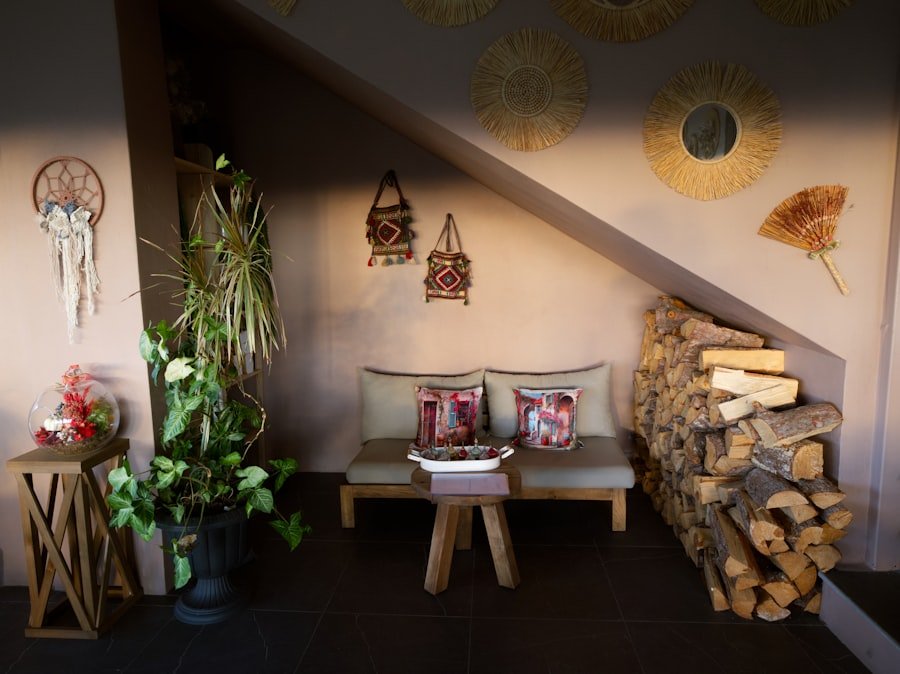
While it’s marketed as easy, a few practical tips can elevate your application from “good enough” to “wow, did you hire someone?” It’s about patience and attention to detail.
Start with a Clean and Smooth Surface
This is non-negotiable. Dust, dirt, or grease on your wall will prevent the adhesive from sticking properly, leading to bubbles and potential peeling.
Cleaning Steps
- Wipe down the wall: Use a damp cloth with a mild soap solution. rinse thoroughly and allow to dry completely.
- Avoid harsh chemicals: Strong cleaners can sometimes affect paint adhesion.
- Check for imperfections: Fill any holes or cracks and sand them smooth before proceeding.
Measure Twice, Cut Once
Accuracy is key, especially when dealing with patterned wallpaper where you’ll need to match seams.
Measuring and Planning
- Calculate your needs: Measure the height and width of your wall and add a few extra inches for trimming. Purchase enough rolls or panels to cover the entire area, accounting for pattern repeat.
- Consider furniture placement: Think about where larger items will sit. You might choose not to cover behind a sofa, for example.
The Application Process: Step-by-Step
This is where the magic happens. Go slow and steady.
Step 1: Peel and Stick Gradually
Don’t peel off the entire backing paper at once. Start by peeling off just a few inches at the top.
Step 2: Align and Adhere the Top Edge
Carefully position the top edge of the panel or sheet against your ceiling or the starting point. Once you’re happy with the alignment, press the exposed adhesive section onto the wall.
Step 3: Smooth Out Bubbles as You Go
As you continue to peel the backing paper down, use a smooth, flat object (like a squeegee or a credit card) to press the material onto the wall. Work from the center outwards to push any air bubbles to the edges.
Step 4: Trim Excess Material
Once the panel is applied, use a sharp craft knife or utility knife to trim away any excess material at the top, bottom, or around outlets and corners.
Pattern Matching Considerations
If you’re using patterned wallpaper, this is a crucial step for a professional look.
Working with Repeats
- Understand the pattern repeat: This is the distance between one instance of the pattern and the next. It’s usually indicated on the product packaging.
- Overlap slightly: When applying the next panel, you’ll often need to overlap the previous panel by about half an inch or according to the manufacturer’s instructions, aligning the pattern. This ensures the design flows seamlessly.
- Don’t force it: If the pattern doesn’t perfectly align without significant stretching or distortion, you might have a slight overlap. Many high-quality peel and stick wallpapers are designed to accommodate this.
Choosing the Right Peel and Stick for Your Space
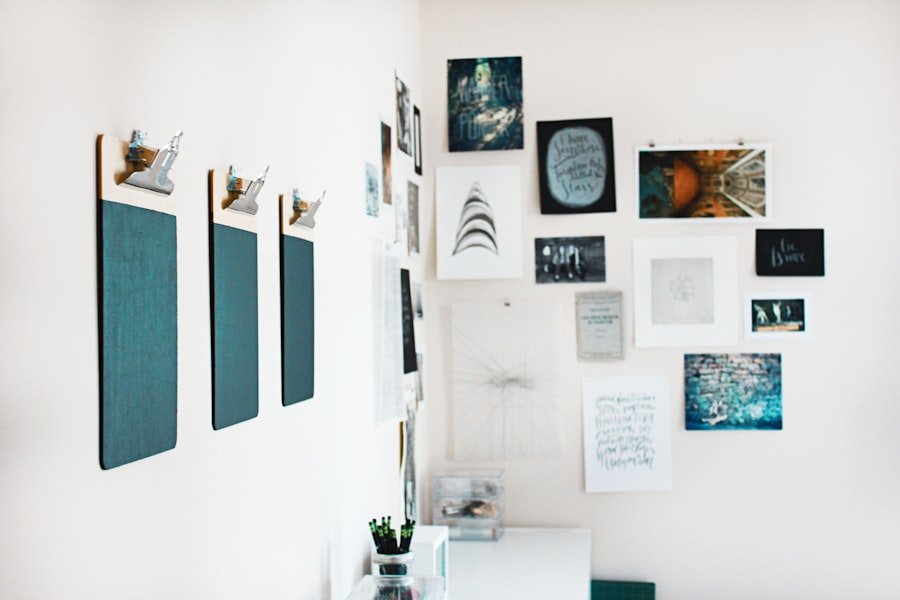
With so many options, how do you pick the one that will actually enhance your room rather than just cover the wall? Think about the purpose of the room and the overall aesthetic you’re aiming for.
Consider the Room’s Functionality
- High-traffic areas: Opt for a more durable vinyl that can withstand occasional bumps and is easy to wipe clean. Think hallways, playrooms, or kitchens.
- Low-traffic areas: You have more flexibility here. A more delicate texture or intricate design might be perfectly fine for a bedroom or a formal living room.
- Moisture-prone areas: While many vinyl options are Renter-friendly, some might not be ideal for very humid environments like steamy bathrooms. Check product specifications.
Think About the Existing Decor
- Color palette: Does the peel and stick complement your furniture, rugs, and existing wall colors?
- Style: Is it modern, traditional, bohemian, minimalist? The wall decor should fit.
- Scale of the pattern: A very large pattern might overwhelm a small room, while a tiny, intricate design might get lost in a cavernous space.
Sample, Sample, Sample!
This is hands down the most important piece of advice. Order samples before committing to a full roll or several panels.
Why Samples Are Essential
- Color accuracy: Digital images can sometimes be deceiving. Seeing the color in person, under your room’s specific lighting, is crucial.
- Texture check: You can feel the material and assess its quality.
- Adhesion test: Stick a corner of the sample to your wall for a day or two to see how well it adheres and if it removes cleanly.
Durability and Quality
Not all peel and stick is created equal.
Reading Reviews
- Look for comments on adhesion: Do people complain about it falling off?
- Check reviews on removal: Are there mentions of paint damage or difficulty taking it down?
- Material feel: Does it feel cheap and flimsy, or substantial?
If you’re looking to enhance your living space with easy-to-apply designs, you might find inspiration in the article on peel and stick wall decor featured on Wallstickr. This innovative approach allows you to transform your walls without the commitment of traditional wallpaper, making it perfect for renters or those who enjoy changing their decor frequently. For more ideas and tips, check out the full article here.
Creative Ways to Use Peel and Stick Decor
| Product | Size | Material | Designs |
|---|---|---|---|
| Peel and Stick Wall Decor | Various sizes | Vinyl | Multiple designs available |
Beyond just covering an entire wall, peel and stick offers some fun and unexpected decorating possibilities. It’s about using it as an accent.
Accent Walls
This is the most common and impactful use. Choose one wall to make a statement with a bold pattern, a vibrant color, or a dramatic mural.
Highlighting Architectural Features
Use peel and stick to draw attention to a fireplace surround, a niche, or an entryway.
Backsplashes
Tile-effect peel and stick is incredibly popular for kitchen and bathroom backsplashes. It’s a much more affordable and DIY-friendly alternative to real tile.
Splash Zone Considerations
- Heat resistance: If you’re using it behind a stove, ensure the product is rated for heat resistance.
- Cleanability: Backsplashes get messy, so choose something that’s easy to wipe down.
Furniture Refresh
Give an old dresser, a plain cabinet, or even shelves a completely new look by covering them with peel and stick.
Updating Furniture
- Drawer fronts: A simple way to add a pop of pattern or color.
- Cabinet doors: Transform plain MDF doors into something more interesting.
Lining Shelves and Drawers
Add a touch of surprise and personality to the inside of your cabinets or drawers. It’s a small detail that can make a big impact when you open them.
Hidden Delights
- Patterned interiors: Makes even utilitarian spaces feel a bit more special.
- Protective layer: Can also add a subtle layer of protection to surfaces.
Creating Custom Designs
Don’t be afraid to cut out shapes or create your own arrangements.
Beyond the Grid
- Geometric shapes: Cut circles, triangles, or stripes to create a unique wall art.
- Decal arrangements: Instead of just sticking individual decals randomly, plan a specific design or pattern with them.
When Peel and Stick Might Not Be Your Best Bet
While incredibly versatile, it’s not a magic bullet for every wall situation. Knowing its limitations will save you frustration.
Heavily Textured Walls
Peel and stick adheres best to smooth, flat surfaces. If your walls have a deep texture, like orange peel or stucco, the adhesive will struggle to make full contact, leading to bubbles and potential lifting.
Alternatives for Textured Walls
- Skim coating: You could consider having the wall professionally skim coated to create a smooth surface before applying peel and stick.
- Textured wallpapers: Some traditional wallpapers are designed to mimic textures and might be a better fit.
Walls with Poor Paint Adhesion
If your paint is peeling or chipping, peel and stick will likely pull it off with it. It’s essentially sticking to whatever is currently on the wall.
Prepping is Key
- Scrape and sand: Any loose paint needs to be removed and the area repainted and allowed to cure properly before applying anything new.
Certain Paint Finishes
While most modern paints are fine, very matte or chalk-finished paints can sometimes have a very porous surface that might create adhesion issues. Alternatively, a high-gloss finish might not offer enough grip for some adhesives.
Testing is Crucial
Always test a sample, especially if you have an unusual paint finish.
Extreme Temperature or Humidity
While vinyl is generally durable, extreme, fluctuating temperatures or constant high humidity (like in a poorly ventilated bathroom or a garage undergoing significant changes) can potentially affect the adhesive over time.
Manufacturer Guidelines
Always check the manufacturer’s recommended environmental conditions for their products.
The Desire for a Truly Seamless, Painted Look
If you crave that perfectly smooth, monolithic look that only expertly applied paint can provide, then peel and stick might always feel like a compromise. It can sometimes have subtle seams or a slight sheen that differs from a perfectly painted wall.
Artistic vs. Industrial
Peel and stick is often about adding visual interest and pattern, rather than just a uniform color.
Ultimately, peel and stick wall decor is a fantastic tool for transforming a space quickly, affordably, and with a high degree of creative freedom. It empowers renters and DIYers to make significant style updates without the commitment or stress of more traditional methods.