


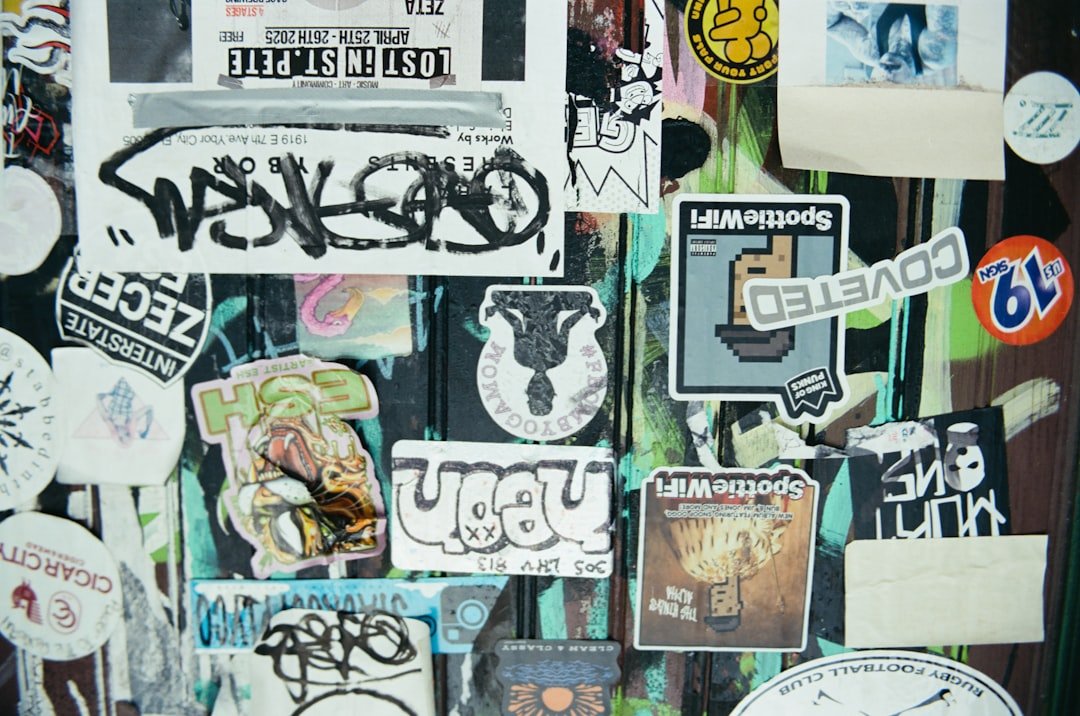
Yes, you absolutely can personalize your space with custom wall decal stickers, and it’s a lot simpler and more versatile than you might think. From covering a bland wall to adding a unique touch that reflects your personality, these decals offer a practical and often reversible way to transform your environment.
Wall decals have become a popular choice for home and office decoration, and for good reason. They bridge the gap between temporary décor and more permanent solutions, offering a middle ground that many people find appealing.
Quick and Easy Application
One of the biggest draws of wall decals is how straightforward they are to apply. Most come with clear instructions, and with a little patience, you can have them up in no time. You generally don’t need any special tools beyond perhaps a squeegee (often included) and a ruler or level for placement.
No Damage to Walls
Unlike paint or wallpaper, wall decals are typically designed to be removable without damaging the underlying surface. This makes them ideal for renters, dorm rooms, or anyone who likes to change their décor frequently without a massive commitment. Just peel them off when you’re ready for a change.
Cost-Effective Decoration
Compared to hiring a painter, buying custom artwork, or wallpapering an entire room, custom wall decals are a very budget-friendly option. You can achieve a significant visual impact without shelling out a lot of money, making them accessible for a wide range of budgets.
Endless Design Possibilities
This is where the “custom” aspect really shines. You’re not limited to off-the-shelf designs. If you can imagine it, there’s a good chance you can have it made into a decal. This means true personalization, tailored exactly to your taste and space.
Versatility Beyond Walls
While they’re called “wall” decals, their use isn’t strictly limited to plasterboard. Depending on the material, they can adhere to smooth surfaces like glass, mirrors, furniture, doors, and even laptops. This opens up even more avenues for personalization throughout your home or office.
If you’re looking to enhance your living space with unique designs, custom wall decal stickers can be a fantastic option. For more inspiration and ideas on how to use these versatile decorations, check out this related article on the benefits of wall decals and tips for choosing the perfect designs for your home. You can read it here: Wall Stickers and Decals.
Types of Custom Wall Decals
The world of custom wall decals isn’t a one-size-fits-all affair. Different materials and applications lend themselves to various uses and aesthetics. Understanding these distinctions can help you make a more informed choice for your specific needs.
Vinyl Decals
This is likely the most common type you’ll encounter. Vinyl is durable, affordable, and comes in a vast array of colors and finishes, including matte, gloss, and even metallic. It’s excellent for intricate designs, lettering, and solid color graphics.
- Matte vs. Gloss Finishes: Matte vinyl provides a subdued, painted-on look which is often preferred for a sophisticated aesthetic as it reduces glare. Glossy vinyl offers a brighter, more vibrant appearance that can be easier to clean, but it may reflect light more prominently.
- Intricate Cuts: Vinyl is well-suited for precise cutting, making it ideal for detailed logos, quotes, silhouettes, and patterns.
Fabric Decals
Often referred to as “peel and stick fabric” or “woven polyester,” these decals have a текстильный feel and a matte finish. They are generally thicker and more forgiving during application than vinyl, as they can be repositioned multiple times without losing their stickiness.
- Repositionable Nature: This is their main advantage. If you don’t get it right the first time, you can peel it off and try again, making them very user-friendly, especially for larger designs or those with complex placement.
- Textured Appearance: The fabric texture can add a subtle warmth and depth that vinyl doesn’t always provide, making them feel less “plastic.”
Transparent or Frosted Decals
These are designed to be less opaque, allowing some of the wall color to show through, or to mimic engraved glass. Transparent decals can be good for subtle layering or creating a visual effect that doesn’t completely block the background. Frosted decals are ideal for windows or glass partitions where you want to add some privacy while still allowing light through.
- Subtle Effects: Great for adding patterns or borders without overwhelming the existing decor.
- Privacy and Light Diffusion: Frosted options are perfect for bathroom windows, office partitions, or glass doors where partial obscurity is desired.
Large Format Prints
While technically still decals, these are essentially large-scale images or murals printed onto decal material. They can cover an entire wall, creating a dramatic focal point or a themed environment.
- Photo Quality: High-resolution images can be printed, turning a favorite photograph or piece of digital art into a wall-sized feature.
- Mural Applications: Ideal for creating immersive environments, like a forest scene in a child’s room or a cityscape in an office.
Designing Your Custom Decal
The process of creating a custom wall decal hinges on your design. It doesn’t need to be professionally done, but some considerations will help ensure a good outcome.
What Makes a Good Design?
A good design for a wall decal is one that is clear, appropriate for the space, and visually engaging without being overwhelming.
- Clarity and Simplicity: Especially for text or line art, sharp lines and legible fonts are crucial. Overly complex designs with tiny details might not translate well or could be difficult to apply.
- Scalability: Consider how your design will look at different sizes. What works as a small logo might look pixelated or awkward when enlarged to cover a significant portion of a wall.
- Color Contrast: Ensure there’s enough contrast between the decal and your wall color for it to stand out effectively. A dark decal on a dark wall will disappear, and vice-versa.
- Vector vs. Raster Images: For the best results, especially with larger decals, vector-based files (like AI, EPS, SVG) are preferred. These files can be scaled to any size without losing quality. Raster images (like JPG, PNG, GIF) are made of pixels, and enlarging them too much will lead to pixelation. If you’re using a raster image, make sure it’s high resolution.
Sourcing Your Design
You don’t need to be a graphic designer to come up with a custom decal. There are several ways to get the imagery you want.
- Personal Photos or Artwork: High-resolution photos can be turned into large-format decals. Scanned drawings or paintings can also work, especially if they are adjusted for clarity.
- Online Design Tools: Many decal manufacturers offer online tools where you can upload images, add text, and choose fonts. These are generally user-friendly for basic designs.
- Freelance Designers: If you have a specific vision but lack the design skills, hiring a freelance graphic designer for a few hours can be a good investment. They can create a unique design or refine an existing idea into a print-ready file.
- Royalty-Free Image Libraries: Websites like Unsplash, Pexels, or Pixabay offer high-quality images that you can use for free. Just ensure you check the specific license terms for commercial use if applicable.
- Vector Art Resources: Sites like Freepik or Vecteezy offer free and paid vector graphics that can be customized.
Working with a Decal Manufacturer
Once you have your design, you’ll need to find a company to produce it.
- File Formats: Most manufacturers will specify preferred file formats (e.g., AI, EPS, PDF, high-res JPG). Ensure your file meets their requirements to avoid delays or quality issues.
- Proofing: Always ask for a digital proof before the decal is printed. This allows you to check for any errors in sizing, color, or design placement. Some companies may even offer physical samples for color matching, especially if color accuracy is critical.
- Material Selection: Discuss the different material options with the manufacturer based on your intended use (e.g., permanent vs. temporary, indoor vs. outdoor, specific finishes).
- Installation Instructions: Confirm that detailed installation instructions will be provided with your order.
Practical Considerations for Placement and Application
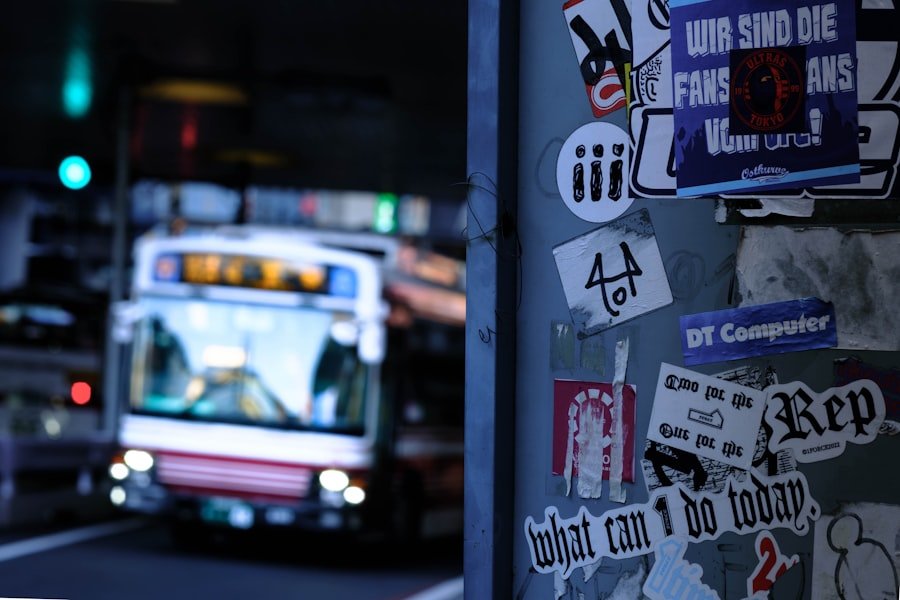
Successfully applying your custom wall decal involves more than just sticking it to a wall. A bit of preparation and method will ensure a smoother, more durable result.
Surface Preparation
This might seem minor, but it’s crucial. A clean, smooth surface is key to good adhesion and preventing bubbles or peeling.
- Cleanliness: Wipe down the wall with a damp cloth to remove dust, dirt, and grime. For greasy areas, a mild soap and water solution followed by a clean water rinse is best. Let the wall dry completely.
- Smoothness: Decals adhere best to smooth surfaces. Highly textured walls (like stucco or heavily textured wallpaper) are generally not suitable as the decal won’t be able to form a full bond, leading to bubbling or peeling.
- Paint Curing Time: If you’ve recently painted, wait at least 2-4 weeks for the paint to fully cure. Applying a decal to uncured paint can cause the paint to peel off when the decal is removed or prevent the decal from adhering properly. Low-VOC (Volatile Organic Compound) paints or high-gloss and stain-resistant paints can sometimes pose adhesion challenges, so it’s wise to test a small, inconspicuous area if possible.
Tools for Application
You don’t need an elaborate toolkit, but a few simple items will make the job much easier.
- Squeegee or Credit Card: Essential for smoothing out the decal and removing air bubbles. Many decals come with a small squeegee.
- Ruler or Measuring Tape: For accurate placement and ensuring the decal is level.
- Pencil: For marking placement guides (lightly, so it can be erased).
- Masking Tape (Painter’s Tape): Helpful for positioning larger decals and creating a hinge method for application.
- Utility Knife or Scissors: For trimming backing paper or excess portions if needed.
- Level: For ensuring precise horizontal or vertical alignment.
Application Techniques
Different decals might have slightly different instructions, but generally, these methods apply.
- The Hinge Method (for larger decals):
- Position your decal on the wall using painter’s tape to get the exact placement.
- Once satisfied, create a horizontal “hinge” of tape across the middle of the decal.
- Peel the backing paper from the top half of the decal down to the hinge.
- Cut away the exposed backing paper.
- Starting from the hinge and working upwards, slowly apply the decal to the wall using a squeegee, pressing firmly and evenly to remove air bubbles.
- Once the top half is applied, remove the hinge tape.
- Peel the remaining backing paper from the bottom half, working from the hinge downwards, and squeegee the decal onto the wall in the same manner.
- Slow and Steady: Regardless of the method, peel the backing paper slowly and at a sharp angle to minimize the chance of the decal sticking to itself or tearing.
- Dealing with Bubbles: If you notice small air bubbles after application, you can often push them towards the edge with your squeegee. For stubborn bubbles, a tiny pinprick can release the air, then smooth it down.
Removing Decals
One of the big advantages is removability.
- Slow and Gentle: When it’s time for a change, peel the decal off slowly, starting from a corner. Pull it at a sharp angle back onto itself, not straight out from the wall.
- Heat Assistance: If the decal is particularly stubborn or has been on for a very long time, a hairdryer on a low setting can warm the adhesive, making it more pliable and easier to remove. Work in small sections, heating gently before peeling.
- Residue: Good quality decals usually leave little to no residue. If there’s a minor sticky spot, rubbing alcohol or a specialized adhesive remover (test in an inconspicuous area first) can often clean it up.
If you’re looking to enhance your living space with unique decor, custom wall decal stickers can be a fantastic choice. These versatile designs allow you to express your personality and style in any room. For more insights on how to choose the perfect decals for your home, check out this informative article on wall decor ideas. You can find it here: wall decor ideas. Whether you prefer bold graphics or subtle patterns, custom decals can transform your walls into a canvas of creativity.
Inspiring Ideas for Custom Decals
| Size | Material | Color Options | Price Range |
|---|---|---|---|
| Small | Vinyl | Black, White, Red, Blue | 10-20 |
| Medium | Matte | Black, White, Grey, Green | 20-30 |
| Large | Glossy | Black, White, Red, Blue, Yellow | 30-40 |
The real fun begins when you start thinking about what you can actually do with custom decals. Forget bland stock options; this is about making your space genuinely reflective of you.
Personalized Home Decor
Make your living space feel more like home with touches unique to your family or personality.
- Family Photo Murals: Turn a favorite family portrait or collection of photos into a large-scale decal for a feature wall in the living room or hallway.
- Motivational Quotes: Choose a quote that resonates with you and apply it in a stylish font above your desk, in your bedroom, or even in a workout space.
- Children’s Room Themes: Create an entire themed world for a child’s room – a space adventure, a magical forest, or a superhero cityscape – with custom-designed character decals and backdrop elements.
- Kitchen Backsplash Alternatives: Instead of tiling, consider a custom pattern or graphic decal for a unique and easily changeable kitchen backsplash. Just ensure it’s made from a material suitable for kitchen environments (e.g., heat and moisture resistance).
- Bedroom Headboards: Design a decal that mimics an intricate headboard for your bed, offering a stylish focal point without the bulk of furniture.
Business and Office Branding
Custom decals are incredibly effective for businesses, offering branding solutions without major construction.
- Logo and Branding Elements: Apply your company logo to reception walls, office doors, or windows for a professional and cohesive look.
- Wayfinding Signage: Use custom cut decals for arrows, room numbers, or directional cues within an office space.
- Mission Statements or Core Values: Display your company’s mission statement or core values in a prominent spot to inspire employees and inform visitors.
- Product Displays: Create eye-catching graphics to highlight specific products or promotions in retail environments.
- Window Graphics: Frosted or perforated window decals can offer privacy while still allowing natural light, and can be branded with company information or promotional messaging.
Creative Applications Beyond Walls
Think outside the traditional wall space to unlock even more potential for personalization.
- Furniture Makeovers: Revamp old dressers, tables, or cabinets by applying custom decals. A plain IKEA piece can be transformed into something unique with a geometric pattern or a custom graphic.
- Laptop or Device Skins: Design a personalized skin for your laptop, tablet, or even gaming console, turning everyday electronics into expressions of your style.
- Mirror Frames: Add decorative decals to frame a plain mirror, creating an elegant or whimsical border effect.
- Glass Partitions: In homes or offices, use transparent or frosted decals on glass doors or room dividers to add privacy, design, or branding.
- Vehicle Branding: While a specialized type of decal, custom vehicle wraps and lettering use similar principles to turn a car or truck into a mobile billboard.
Maintaining Your Decals
Once your custom decal is applied, a little care can help ensure it looks good and lasts a long time.
Cleaning
Generally, wall decals are easy to clean, but it’s important to be gentle.
- Damp Cloth: For most vinyl or fabric decals, a soft, damp (not soaking wet) cloth is sufficient to wipe away dust or light smudges.
- Mild Soap: If necessary, a very mild, non-abrasive soap diluted in water can be used. Avoid harsh chemical cleaners, as they can damage the decal material or adhesive.
- Avoid Scrubbing: Never scrub a decal vigorously, as this can lift edges or scratch the surface.
Longevity
The lifespan of your decal depends on several factors:
- Material Quality: High-quality vinyl or fabric will naturally last longer.
- Application: Proper surface preparation and careful application will ensure better adhesion and fewer issues over time.
- Environment:
- Sunlight: Direct, prolonged exposure to sunlight can cause colors to fade over time, especially with printed decals. If placing in a sun-drenched area, consider UV-resistant materials.
- Humidity: High humidity can sometimes affect adhesion, particularly in bathrooms, though many modern decals are made to withstand typical indoor humidity levels.
- Temperature: Extreme temperature fluctuations can stress the decal material and adhesive.
- Handling: Avoid picking at the edges or frequently rubbing the decal, as this can lead to premature wear or peeling.
By keeping these points in mind, your custom wall decal can be a lasting, personal, and effective addition to your space.