


Thinking about decorating your little one’s nursery walls? You’re in the right place. The key is to create a space that’s calming, stimulating in small doses, and practical for you. It’s not just about aesthetics; it’s about making a functional environment that feels good for everyone. We’ll explore some solid, achievable ideas for making those walls work for you.
When it comes to nursery wall art, you’re looking for pieces that add personality without overwhelming the space. Think about items that can grow with your child or be easily swapped out.
Framed Prints and Illustrations
These are a classic for a reason. They offer incredible versatility. You can go with sweet animal prints, whimsical nature scenes, or even abstract patterns in muted tones. The beauty of framed prints is their adaptability.
- Longevity: Choose prints that aren’t overly baby-specific. A charming forest scene or a simple abstract design can easily transition from a nursery to a toddler’s room, and even beyond.
- Safety First: Ensure frames are securely mounted. If opting for glass, consider shatter-proof alternatives or acrylic for peace of mind. Lightweight frames are always a good idea above a crib.
- Gallery Wall Potential: Mix and match different sized frames and art styles for an interesting gallery wall. This allows for easy additions or swaps as tastes evolve.
- Personal Touch: Consider commissioning a custom illustration, perhaps of their name or a significant date. This adds a unique and sentimental element.
- DIY Option: Frame some of your own photos (family, pets, nature scenes) or even some of your child’s early artwork as they get older.
Fabric Wall Hangings and Macramé
Fabric adds texture and softness, which is great for absorbing sound and making a room feel cozier. Macramé, in particular, has seen a resurgence and offers a bohemian, handcrafted feel.
- Sensory Input: The differing textures of fabric wall hangings offer a subtle sensory experience, which can be beneficial for developing senses.
- Sound Dampening: Soft materials help absorb sound, making the nursery a quieter, more peaceful space, especially important for naps.
- Safety Considerations: Ensure any hanging elements are well out of reach of little hands. Avoid anything with loose strings or small parts that could pose a choking hazard.
- Material Choices: Look for natural fibers like cotton or linen for a gentle feel. Macramé can be intricate or simple, depending on your preference.
- Boho or Traditional: Macramé lends itself well to a bohemian aesthetic, while quilted fabric hangings can lean more traditional or themed.
- Easy to Clean: Many fabric hangings can be spot-cleaned or even machine-washed on a gentle cycle, which is a practical consideration in a nursery.
Wall Decals and Peel-and-Stick Wallpaper
For a less permanent and often more budget-friendly option, decals and peel-and-stick wallpaper are fantastic. They offer a big visual impact without the commitment or mess of traditional paint or wallpaper.
- Flexibility: Wall decals can be removed and repositioned, making them ideal if you’re renting or like to change things up frequently.
- Theme Creation: Easily create a whimsical forest, a starry night, or a playful animal theme with minimal effort.
- Application: Generally straightforward to apply, though larger pieces or intricate designs might require a second pair of hands.
- Surface Preparation: Ensure walls are clean and smooth for optimal adhesion. Some textured walls might not work as well.
- Variety: From subtle polka dots to full-scale murals, the options are vast. You can find decals that mimic hand-painted art or intricate patterns.
- Budget-Friendly Update: An entire wall can be transformed for a fraction of the cost and time of traditional wallpaper.
When it comes to nursery room wall decor, incorporating creative elements can truly transform the space into a whimsical haven for your little one. For inspiration on how to enhance your nursery with unique wall clings, check out this related article on creative wall clings that can elevate your decor: Creative Wall Clings: Transform Your Space. These innovative designs not only add charm but also allow for easy updates as your child’s tastes evolve.
Practical and Playful Features
Beyond just looking nice, nursery walls can also be functional. Think about elements that support learning, organization, and a bit of playful interaction.
Shelving for Display and Storage
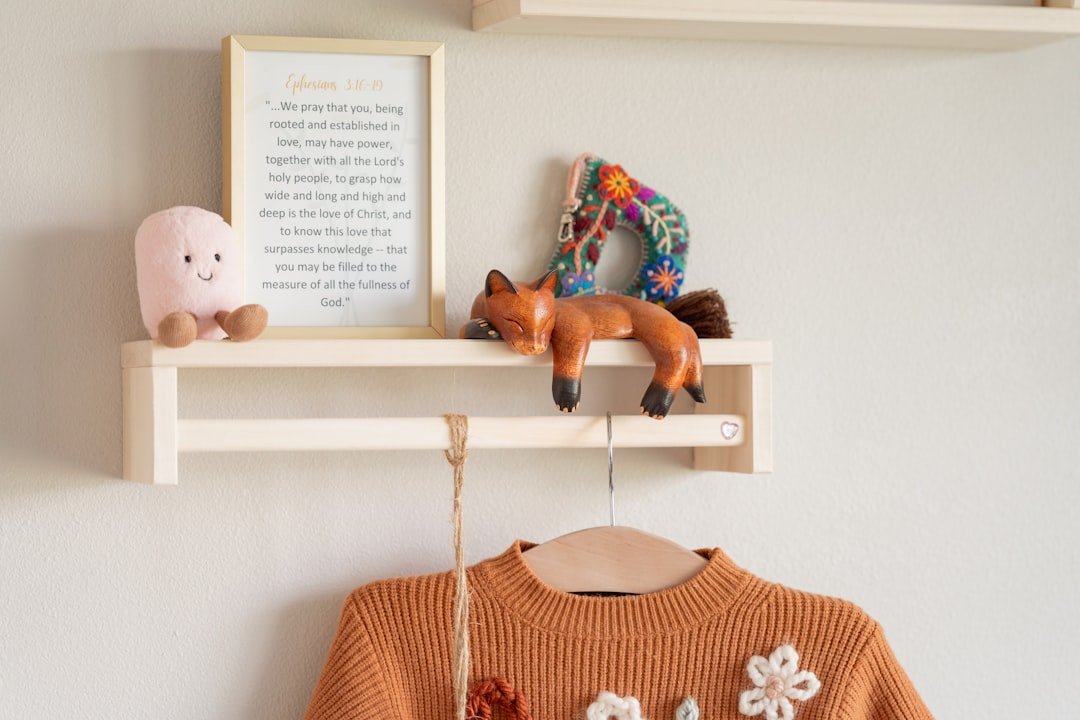
Shelves aren’t just for books. In a nursery, they can be used to display cherished items, store small toys, and add a decorative touch.
- Floating Shelves: These provide a clean, modern look and allow for versatile arrangement. They’re excellent for small framed photos, special keepsakes, or a few well-loved books.
- Picture Ledge Shelves: Designed with a small lip, these are perfect for displaying books face-out, making it easy for little ones to see and choose their favorites as they grow.
- Above the Changing Table: A small shelf above the changing table can hold essentials like wipes, creams, and a few small distractions for baby during diaper changes. Ensure it’s securely mounted and nothing can easily fall into the crib.
- Material Match: Choose shelves that complement your existing furniture. Wood tones, painted shelves, or even clear acrylic options can work.
- Safety First: When installing shelves, make sure they are anchored properly to wall studs. Avoid hanging heavy items directly above where the baby sleeps. Everything on the shelf should be non-breakable and too large to be a choking hazard if it were to fall.
- Curated Display: Don’t overcrowd shelves. A few thoughtfully chosen items, like a plush toy, a small plant (out of reach), or a decorative block set, look much better than a cluttered mess.
Chalkboard or Whiteboard Walls/Sections
These offer an interactive element that can grow with your child. A designated drawing space can be a real boon for creativity.
- Creative Outlet: Provides an always-available surface for scribbling, drawing, and imaginative play as your child gets older.
- Learning Tool: Practice letters, numbers, and shapes. You can even draw out scenes for imaginative play.
- Full Wall or Section: You can dedicate an entire wall to chalkboard paint, or simply paint a section in a fun shape. Whiteboard paint is another option.
- Dust Control (Chalkboard): Consider low-dust chalk for health and cleanliness. For a really dust-free option, marker boards are best.
- Magnetic Paint Layer: Some chalkboard paints can be layered over magnetic primer, making it a dual-purpose surface for drawing and hanging magnetic letters or art.
- Placement: Place the interactive wall where it’s easily accessible but also out of the way of general foot traffic. Ensure it’s not too close to fabric furniture that could get dusty or marked.
Softening the Space
To make the nursery feel genuinely comfortable and inviting, think about elements that add warmth and absorb sound.
Curtains and Drapes
More than just privacy and light control, curtains can significantly impact the feel of a room. They introduce texture, color, and a sense of coziness.
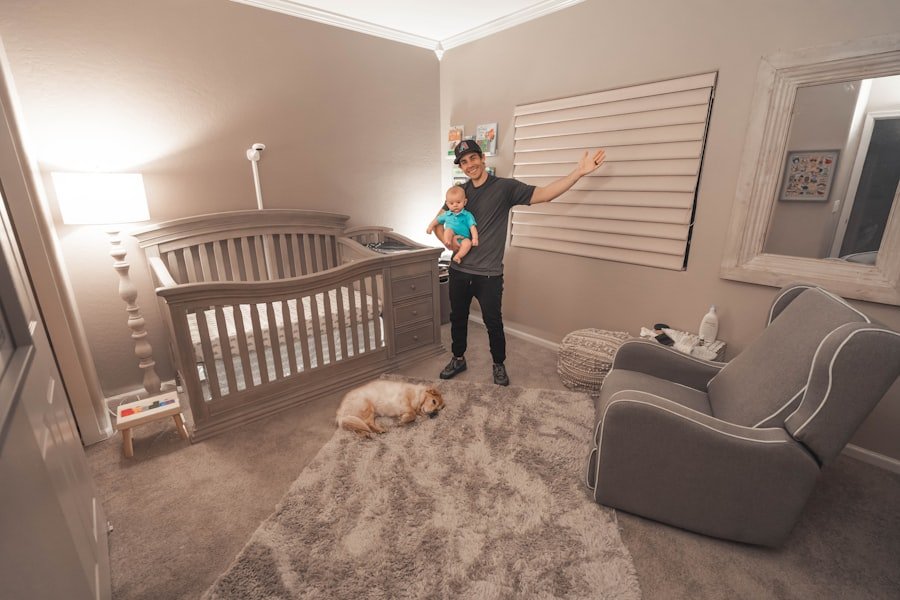
- Blackout Functionality: Crucial for baby’s naps and early bedtimes. Blackout curtains block light effectively, promoting better sleep.
- Sound Insulation: Thicker drapes can help absorb sound, similar to fabric wall hangings, making the room quieter.
- Rod Security: Ensure curtain rods are very securely installed, especially if you have an active baby who might try to pull on them as they grow.
- Material and Color: Choose fabrics that complement the nursery’s theme and color palette. Linen, cotton, or a thermal-backed fabric are good choices.
- Length: Generally, floor-length curtains look best and provide the best light and sound insulation. Ensure they don’t pose a tripping or pulling hazard if they puddle on the floor.
- Safety Cords: If your curtains have cords for opening and closing, ensure they are secured safely out of reach to prevent strangulation hazards. Cordless options are ideal.
Area Rugs
A well-chosen area rug can ground the room, add a splash of color, and provide a soft spot for playtime.
- Warmth and Comfort: Adds a layer of warmth and a soft surface for crawling and playing.
- Sound Absorption: Like curtains, rugs help dampen sound, making the nursery a quieter environment.
- Material Considerations: Look for soft, natural fibers if possible, or low-pile synthetic options that are easy to clean. Wool, cotton, or polypropylene are common choices.
- Size and Placement: Choose a rug that comfortably fits within the room, ideally extending under at least the front legs of furniture like the crib or glider to anchor the space.
- Non-Slip Pad: Crucial for safety, especially with an active baby or toddler. A non-slip pad prevents the rug from sliding and bunching.
- Color and Pattern: Can either be a subtle background element or a vibrant focal point. Consider patterns that can hide small stains.
Interactive and Engaging Elements
As your baby grows, having elements on the wall that catch their eye and encourage interaction can be truly beneficial.
Mobiles (Wall Mounted Alternatives)
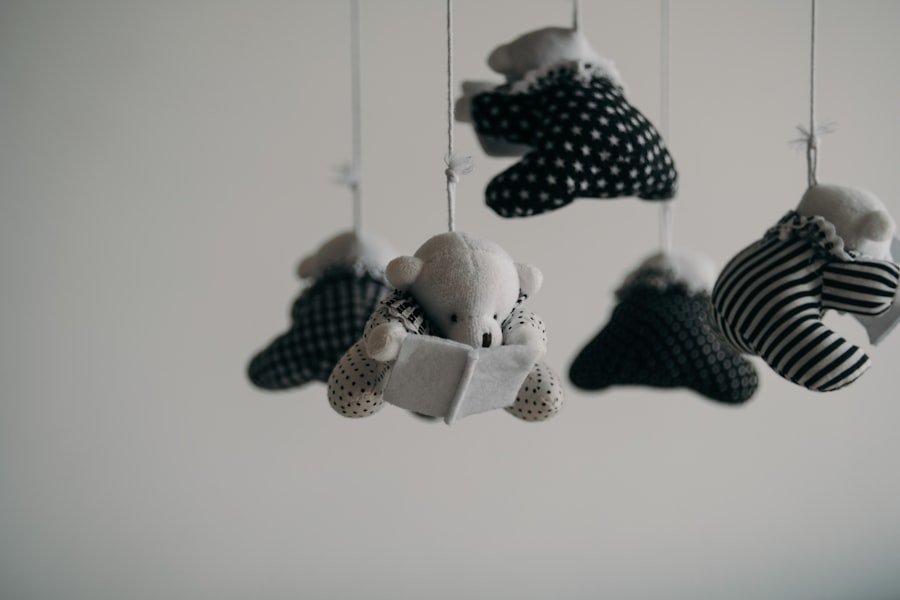
While traditional mobiles often hang from the ceiling, wall-mounted versions can offer a similar visual stimulus without the ceiling fixture.
- Visual Stimulation: Gentle movement and contrasting colors can capture a baby’s attention, aiding in visual development.
- Safety: Wall-mounted options eliminate the risk of a mobile falling into the crib. Ensure it’s securely attached and not within reach when the baby is standing.
- Placement: Position it where it’s easily visible from the crib or changing table but not directly above where the baby can grab or pull on it.
- Material and Design: Consider elements made from felt, wood, or soft fabric in appealing shapes.
- Adjustability: Look for designs that allow you to change out the hanging elements as the baby grows, offering new things to look at.
- Spinning Options: Some wall-mounted mobiles have battery-powered spinning mechanisms for continuous gentle movement.
Sensory Boards
These educational tools can be a fantastic addition once your baby is old enough to sit up and explore. They offer a safe way to engage with different textures and mechanisms.
- Fine Motor Skill Development: Buttons, buckles, zippers, and different fabric swatches encourage exploration and develop dexterity.
- Problem-Solving: Simple latches and closures can introduce basic problem-solving skills.
- Texture Exploration: Incorporate various safe textures like faux fur, smooth wood, rough burlap, and soft felt for a rich sensory experience.
- Wall Attachment: Ensure these boards are extremely securely fastened to the wall to prevent them from falling.
- Age Appropriateness: Introduce these when your child is past the mouthing stage for small parts, or ensure all elements are large and securely fixed.
- DIY Potential: Sensory boards are great DIY projects. You can tailor them to your child’s interests and incorporate elements you already have.
When designing a nursery, wall decor plays a crucial role in creating a warm and inviting atmosphere for your little one. One interesting approach to enhancing your nursery’s aesthetic is through the use of 3D wall decorations, which can add depth and character to the space. For more inspiration on how to elevate your wall decor, check out this article on stunning 3D wall decorations that can transform any room into a delightful environment.
Thoughtful Lighting and Mirror Placement
| Product | Price | Material | Size |
|---|---|---|---|
| Cute Animal Wall Decals | 15.99 | Vinyl | Various sizes |
| Wooden Name Sign | 25.00 | Wood | Customizable |
| Canvas Wall Art | 30.50 | Canvas | 16×20 inches |
| Fabric Bunting Banner | 12.99 | Fabric | 5 feet long |
Lighting and mirrors aren’t just functional; they can significantly impact the mood and spaciousness of a nursery.
Wall Sconces or Dimmers
Layered lighting is key in a nursery. Wall sconces provide soft, ambient light, while dimmers offer crucial control over brightness.
- Soft Ambient Light: Sconces cast a gentle glow, perfect for middle-of-the-night feedings or comforting wake-ups without fully bright lights jarring sensitive eyes.
- Dimmable Control: Essential for transitioning from bright playtime to calming naptime. A dimmer switch allows you to adjust light levels precisely.
- Safety: Ensure all electrical fixtures are installed by a qualified professional and are out of reach.
- Placement: Consider placing sconces on either side of the crib or glider for focused, gentle light.
- Nightlight Alternatives: Dimmable sconces can often negate the need for a separate nightlight, offering broader, gentler illumination.
- Style Integration: Choose sconces that complement the overall design aesthetic of the room.
Child-Safe Mirrors
Mirrors can open up a small room and offer fascinating visual engagement for babies, but safety is paramount.
- Visual Engagement: Babies are often fascinated by their own reflections. It’s a great way for them to explore faces and practice self-recognition.
- Spacial Awareness: Mirrors can make a room feel larger and brighter by reflecting light.
- Placement: Position a mirror at a child’s eye level, but ensure it’s securely mounted and shatterproof. Never above a crib.
- Safety Materials: Opt for acrylic mirrors over traditional glass. They are lightweight and shatter-resistant, making them much safer for a nursery.
- Framing: Choose mirrors with soft, rounded frames, or no frame at all, to avoid sharp edges.
- Interactive Play: Point out features in the mirror, make faces, and enjoy moments of shared discovery.
When decorating nursery walls, the goal is always a blend of aesthetics, functionality, and safety. Each element you choose should contribute to a welcoming, practical, and adaptable space for your child to grow and thrive.