


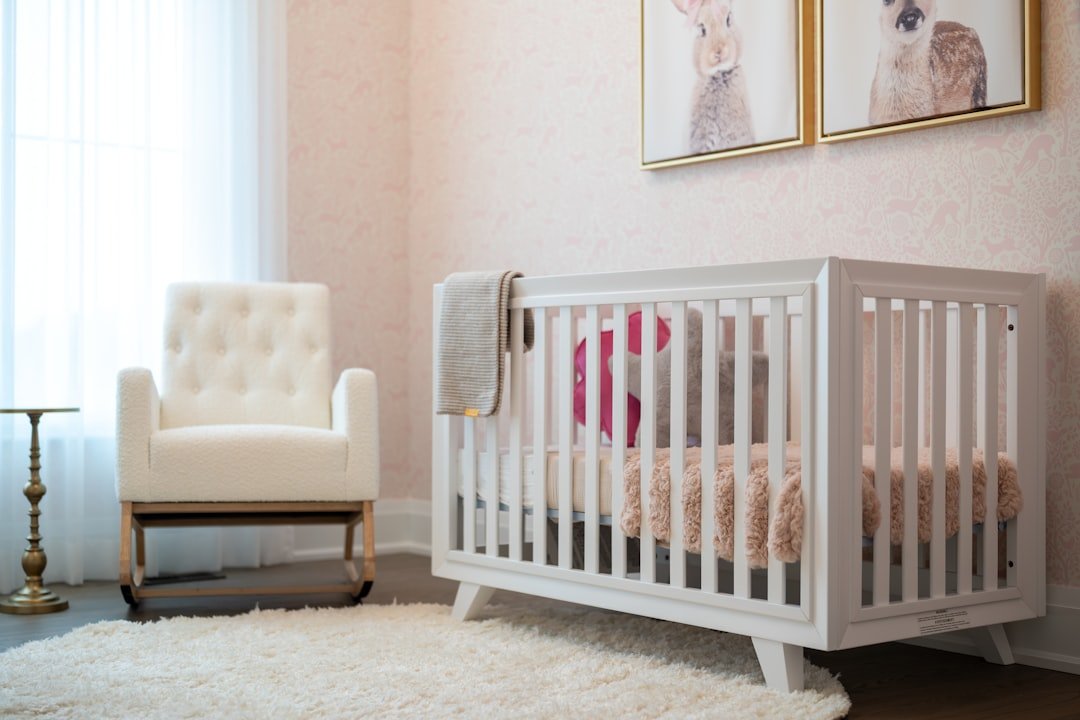
Creating a cozy nursery with charming wall art is entirely achievable, and it doesn’t need to be a complex undertaking. The key is balance: selecting pieces that stimulate without overwhelming, using art to define zones, and ensuring the overall aesthetic contributes to a peaceful environment. Think of wall art not just as decoration, but as an integral element in building a comfortable and inviting space for your little one.
Wall art in a nursery goes beyond just filling empty spaces; it serves several practical functions. It can provide visual interest for a developing baby, create a specific mood or theme, and even offer opportunities for early learning. A thoughtfully chosen piece can anchor a design scheme and make the room feel more complete and considered. It’s about crafting an atmosphere, not just decorating.
Visual Stimulation and Development
For infants, high-contrast black and white images are particularly engaging, aiding early visual development. As they grow, bolder colors and more complex patterns become appealing. Wall art can offer a constant source of new things for them to observe and process, which is beneficial for cognitive growth. It’s not about flashing lights or loud noises, but rather about gentle, consistent visual input.
Setting the Mood
The type of art you choose can significantly influence the feeling of the room. Soft, muted colors and gentle imagery can promote a calm and serene atmosphere, while brighter, more whimsical pieces can inject a sense of playfulness and joy. Consider the overall vibe you want to achieve for the nursery – tranquil, stimulating, or something in between – and let your art choices reflect that.
Personalization and Theme Building
Wall art is an excellent way to inject personality into the nursery and tie together a chosen theme. Whether it’s a jungle adventure, a starry night, or a whimsical forest, art pieces can consistently reinforce that narrative throughout the room. This makes the space feel more cohesive and intentional, reflecting your family’s unique style and preferences.
When it comes to enhancing the ambiance of a nursery, wall art plays a crucial role in creating a warm and inviting atmosphere. For those looking to explore innovative ways to decorate their little one’s space, a related article on creative wall clings can provide inspiring ideas. You can check it out here: Creative Wall Clings: Transform Your Space. This resource offers a variety of options that can easily be applied and removed, making it perfect for changing tastes as your child grows.
Selecting Art for Comfort and Calm
When choosing art for a nursery, comfort and calm should be top priorities. The goal is to create a peaceful sanctuary, not a chaotic gallery. This means often leaning towards softer aesthetics and avoiding anything too jarring or visually demanding.
Gentle Color Palettes
Opt for artwork with gentle color palettes. Pastels, muted tones, and natural hues tend to be calming and less stimulating than vibrant, high-saturation colors. These colors can blend seamlessly with the rest of your nursery decor, creating a cohesive and harmonious environment. Think of soft blues, greens, grays, and creams for a soothing effect.
Soothing Imagery
Choose images that evoke a sense of peace and comfort. This could include nature scenes like sleepy animals, serene landscapes, or celestial themes such as stars and moons. Abstract art with gentle curves and flowing lines can also be very calming. The idea is to select visuals that are pleasant to look at, promoting relaxation rather than excitement.
Avoiding Overstimulation
It’s tempting to fill every wall, but too much art can be overwhelming for a baby. Aim for a balanced approach. Focus on a few well-placed pieces rather than cluttering the walls. Consider grouping smaller pieces for a gallery wall effect, but ensure there’s still breathing room around each image. Less is often more in a nursery.
Practical Considerations for Nursery Art
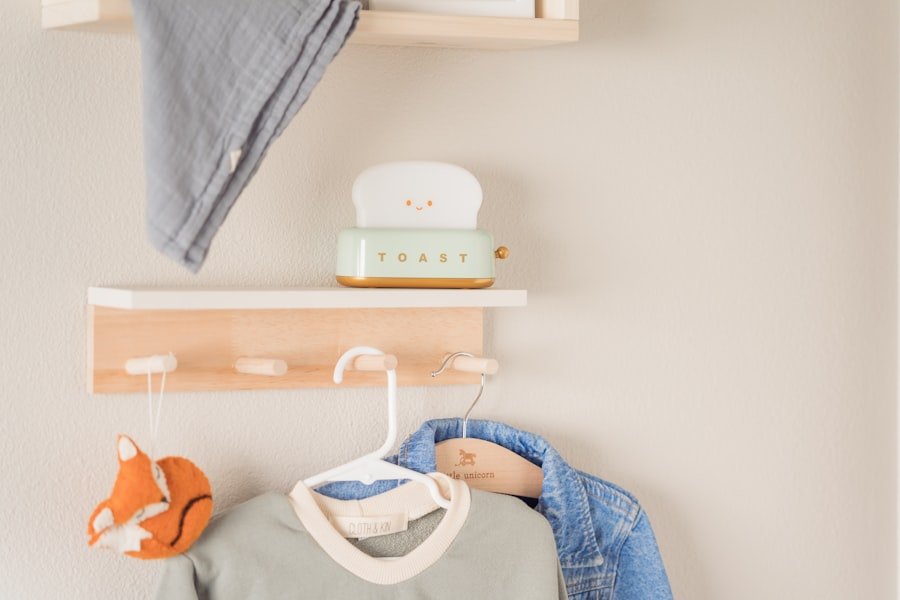
Beyond aesthetics, there are several practical aspects to consider when selecting and installing nursery wall art. Safety, durability, and adaptability are all key factors. You want pieces that are appropriate for the environment and for a growing child.
Safety First
This is paramount. Ensure any artwork is securely fastened to the wall, out of the baby’s reach. Avoid heavy frames with glass that could break. Acrylic or unframed canvas prints are safer alternatives. If you must use glass, opt for shatter-proof options and extra-secure hanging hardware. Inspect any wall-mounted items regularly to ensure they remain firmly in place.
Durability and Cleanliness
Nurseries can get messy. Choose materials that are easy to clean and can withstand a bit of wear and tear. Wipeable surfaces are a bonus. Canvas prints or framed art with protective layers are generally easy to maintain. Consider the lifespan of the art; investing in pieces that can grow with your child or be easily refreshed might be a good idea.
Lighting and Placement
Consider how natural and artificial light will interact with the artwork. Avoid placing highly reflective pieces directly opposite a window, as glare can be disruptive. Position art at an appropriate height – not too high for viewing, but also out of reach as the baby becomes more mobile. Think about what the baby will see from their crib and changing table, as these are primary viewing spots.
Diverse Art Options for Every Style
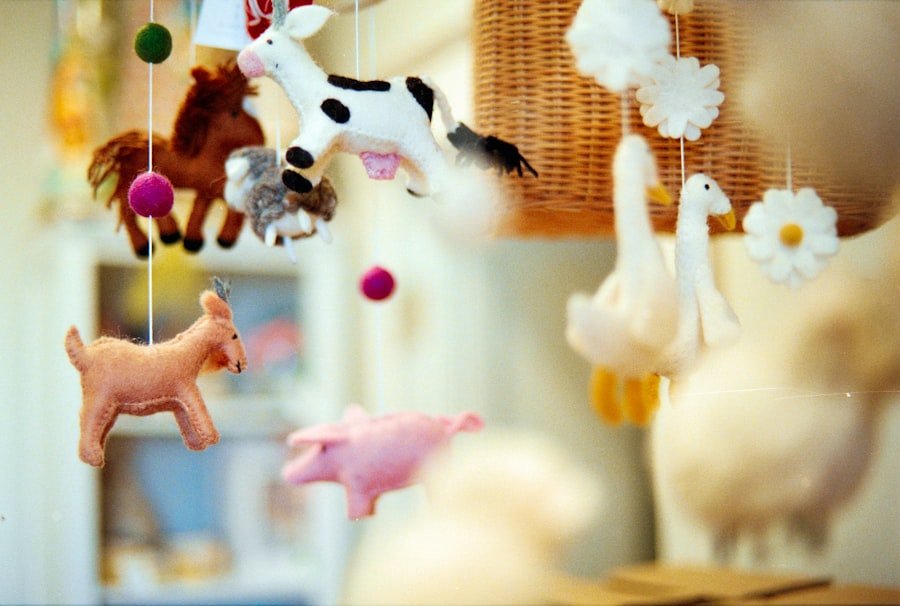
The world of wall art is vast, offering numerous options to fit any nursery style and budget. From DIY projects to designer pieces, there’s something for everyone. Exploring these different types can help you find the perfect fit for your space.
Prints and Posters
Prints and posters offer an affordable and versatile way to decorate. They come in an endless array of designs, from whimsical animals to abstract patterns. You can easily switch them out as your child grows or as your preferences change. Look for high-quality prints on thick paper or canvas for a more substantial feel. Framing them can elevate their appearance and protect them.
Framed Prints
Framed prints provide a polished look. Choose frames that complement the nursery’s overall aesthetic – natural wood for a rustic feel, white for a clean modern look, or a pop of color for a playful touch. Remember to prioritize lightweight frames with acrylic over glass for safety.
Canvas Prints
Canvas prints offer a textured, artistic feel without the need for framing. They are lightweight, durable, and generally easy to clean. Many companies offer custom canvas prints from your own photos, which can add a personal touch to the nursery.
Murals and Wall Decals
For a truly immersive experience, murals and wall decals can transform a plain wall into a captivating scene. They offer a large-scale impact and can effectively create a focal point in the room.
Hand-Painted Murals
A hand-painted mural can be a unique, custom piece of art. While it requires a bit more effort or a professional artist, it offers unparalleled personalization. Consider a simple design or a soft ombre fade for a serene backdrop.
Peel-and-Stick Decals
Wall decals are a fantastic, commitment-free alternative to murals. They are easy to apply and remove without damaging the walls, allowing for flexibility as your child’s interests evolve. From playful dots to intricate tree designs, the options are plentiful.
Textiles and Fabric Art
Don’t limit yourself to traditional framed art. Textiles can add warmth, texture, and a unique dimension to nursery walls. They offer a softness that paper or canvas might not.
Macrame and Wall Hangings
Macrame pieces or other woven wall hangings add bohemian charm and texture. Their soft lines and natural materials can contribute to a very cozy atmosphere. Ensure they are securely hung and out of reach of tiny hands.
Quilts and Banners
A beautiful quilt, whether handmade or store-bought, can function as a striking piece of wall art. Similarly, fabric banners with sweet messages or charming illustrations can add a gentle touch. These pieces introduce softness and can be easily moved or replaced.
When it comes to creating a cozy and inviting space for your little one, nursery decor wall art plays a crucial role in setting the right atmosphere. For those looking for inspiration and ideas on how to enhance their nursery’s aesthetic, you might find this article on creative wall art options particularly helpful. By incorporating unique designs and personalized touches, you can transform your nursery into a delightful haven for both you and your baby.
Curating Your Cozy Nursery Gallery
| Product | Material | Size | Price |
|---|---|---|---|
| Cute Animal Prints | Canvas | 8×10 inches | 15.99 |
| Woodland Nursery Art | Cardstock | 11×14 inches | 12.50 |
| Custom Name Sign | Wood | 12×18 inches | 30.00 |
Putting it all together involves a bit of planning and an eye for balance. You’re not just hanging things; you’re building a cohesive and welcoming visual environment.
Thematic Cohesion
Even if you don’t have a rigid theme, aim for a cohesive feel with your chosen art. The colors, styles, and subject matter should all work together rather than clashing. This creates a sense of harmony and calm in the room.
Creating Focal Points
Identify a main focal point, perhaps above the crib or changing table. This larger piece can anchor the room, and other smaller pieces can complement it. A single impactful piece can often be more effective than many small, scattered items.
Gallery Walls Done Right
A gallery wall can be charming, but it requires mindful execution in a nursery. Stick to a limited color palette or theme within the gallery. Varying sizes and shapes of frames can add interest, but avoid overcrowding. Leave enough negative space for the eye to rest.
Integrating Personal Touches
Incorporating personal items adds warmth and sentimentality. Photos of family, custom artwork with the baby’s name, or even a framed keepsake can make the nursery truly unique and deeply personal. This is an opportunity to tell your family’s story.
Ultimately, creating a cozy nursery with charming wall art is about thoughtful choices that contribute to a peaceful and stimulating environment. It’s not about following strict rules but about understanding the practical implications and aesthetic impact of your selections. By prioritizing safety, comfort, and a touch of personal flair, you can craft a space that feels just right for your little one.