


Wall decals and stickers offer a straightforward method for altering the appearance of any room. They provide a non-permanent and relatively inexpensive way to introduce color, pattern, and imagery to blank surfaces. Unlike paint or wallpaper, their application is generally less labor-intensive, and their removal is typically cleaner. This makes them a practical choice for renters, those who prefer to redecorate frequently, or individuals seeking a targeted aesthetic update. The range of available designs is extensive, catering to a wide spectrum of tastes and functional requirements.
Understanding the Basics
Wall decals are essentially adhesive graphics applied directly to a wall. They are typically made from vinyl, which allows for crisp printing and a degree of durability. The adhesive used is designed to hold the decal in place without causing significant damage to most painted surfaces upon removal, although testing in an inconspicuous area is always advisable. The size and complexity of decals can vary considerably, from small accent pieces to large murals that cover an entire wall.
The Appeal of Simplicity
One of the primary draws of wall decals is their ease of use. For most standard designs, the process involves peeling the decal from its backing and applying it to a clean, dry wall. More intricate designs might include a transfer tape layer that aids in positioning and adhering the graphic evenly. This contrasts with the preparation, application, and potential mess associated with traditional decorating methods like painting or wallpapering.
Material Considerations
The material composition of a wall decal is crucial for its longevity and ease of application. Vinyl is the most common material due to its flexibility, print quality, and resistance to moisture. Different types of vinyl exist, offering varying degrees of opacity and texture. Some manufacturers offer matte finishes that blend seamlessly with paint, while others provide glossier options for a more pronounced visual effect. The adhesive itself can also vary, with options for temporary use or more permanent adhesion.
If you’re looking to enhance your living space with creative designs, wall decals and stickers can be a fantastic option. For more information on how to choose the right wall decals for your home and tips on application, you can check out this helpful article on the topic. It provides insights into various styles and materials that can transform your walls effortlessly. For further details, visit this link.
Exploring Design Possibilities
The sheer variety of wall decal designs available presents a significant advantage for personalization. From abstract patterns to photographic representations, there’s a graphic to suit almost any decorative theme or personal preference. This allows for targeted visual impact without committing to a broad decorative overhaul.
Geometric Patterns
Simple shapes and repeating patterns can introduce visual structure and depth to a room.
Stripes
Vertical stripes can create an illusion of height, while horizontal stripes can make a space appear wider.
Thin Lines
Subtle, thin stripes can add a sophisticated touch without overpowering the room.
Bold Bands
Thicker, more pronounced stripes can serve as a strong focal point.
Polka Dots
Ranging from small, scattered dots to larger, uniform arrangements, polka dots offer a playful or contemporary feel.
Small and Numerous
A dense pattern of small dots can create a texture-like effect.
Large and Sparse
Fewer, larger dots can provide a more minimalist and modern aesthetic.
Hexagons and Other Geometric Forms
These shapes can be applied individually or in clusters to create unique mosaic-like arrangements.
Repeating Grids
Uniform placement of geometric shapes can establish a sense of order.
Asymmetrical Clusters
Arranging shapes in a more organic, scattered manner can lend a dynamic feel.
Nature-Inspired Graphics
Bringing elements of the outdoors inside is a popular design choice, and decals make this accessible.
Trees and Branches
Silhouettes of trees or individual branches can create a serene and organic atmosphere.
Full Tree Silhouettes
A large tree graphic can become a prominent feature in a room, especially in a child’s bedroom or a living area.
Delicate Branch Accents
Smaller branch decals can be used to frame doorways or add interest to a blank wall.
Flowers and Botanicals
Floral motifs, from realistic to stylized, can add color and a touch of natural beauty.
Realistic Rose or Peony Designs
These can offer a classic and elegant feel.
Abstract Botanical Prints
More modern interpretations of leaves and flowers can provide a contemporary touch.
Animals
From realistic portrayals to whimsical illustrations, animal decals can add personality.
Wildlife Scenes
Depictions of animals in their natural habitat can evoke a sense of tranquility or adventure.
Cute and Playful Creatures
These are particularly well-suited for nurseries and children’s rooms.
Figurative and Abstract Art
Decals can also serve as a medium for artistic expression.
Quotes and Lettering
Motivational phrases, inspirational quotes, or custom lettering can personalize a space.
Simple Typography
Clean, modern fonts can add a sophisticated touch.
Script and Calligraphy
More elaborate fonts can create a sense of elegance or artistic flair.
Silhouette Art
Human figures, cityscapes, or even abstract shapes rendered as silhouettes offer a graphic and impactful visual.
Iconic City Skylines
These can add a cosmopolitan feel to an urban apartment.
Abstract Swirls and Shapes
These can introduce dynamic movement and color to a minimalist space.
Mural-Style Designs
Larger, more complex decals can transform a wall into a canvas.
Panoramic Landscapes
These can create an immersive experience in a room.
Themed Scenes
From outer space to underwater worlds, these can suit specific interests.
Application and Installation Best Practices

Proper application ensures a professional finish and the longevity of your wall decals. Understanding the process, from surface preparation to final placement, is key.
Surface Preparation
A clean and dry surface is paramount for good adhesion.
Cleaning the Wall
Dust, dirt, and grease can all interfere with the adhesive.
Wiping Down
Use a mild soap and water solution, then rinse thoroughly.
Allowing to Dry
Ensure the wall is completely dry before proceeding.
Wall Finish Considerations
The texture and type of paint can impact adhesion.
Matte and Eggshell Finishes
These generally provide the best surfaces for decal application.
Glossy or Satin Finishes
These may require more careful application and could be more prone to peeling if not properly prepared.
Textured Walls
Decals may not adhere as well to heavily textured surfaces.
The Application Process
Depending on the complexity of the decal, the process varies.
Simple Peel-and-Stick Decals
These are the most straightforward.
Peeling the Backing
Carefully peel away the backing paper, exposing the adhesive.
Aligning and Pressing
Position the decal carefully and press it firmly onto the wall.
Decals with Transfer Tape
These offer more control for larger or more intricate designs.
Applying the Transfer Tape
The decal is typically applied to a clear transfer tape first.
Positioning the Design
Align the transfer tape and decal on the wall.
Smoothing and Rubbing
Use a squeegee or credit card to firmly adhere the decal to the wall.
Removing the Transfer Tape
Slowly peel away the transfer tape, leaving the decal behind.
Dealing with Bubbles and Wrinkles
Minor imperfections can often be resolved.
Pin Prick Method
For small bubbles, a fine needle can be used.
Gently Poking
Carefully puncture the bubble with the tip of a needle.
Smoothing Out
Press down on the bubble to flatten it.
Redressing and Reapplication
If a significant bubble or wrinkle occurs, careful removal and reapplication might be necessary.
Slow Peeling
Gently peel back the affected area.
Smoothing and Reapplying
Smooth out the bubble and reapply the decal.
Removing and Revitalizing Walls
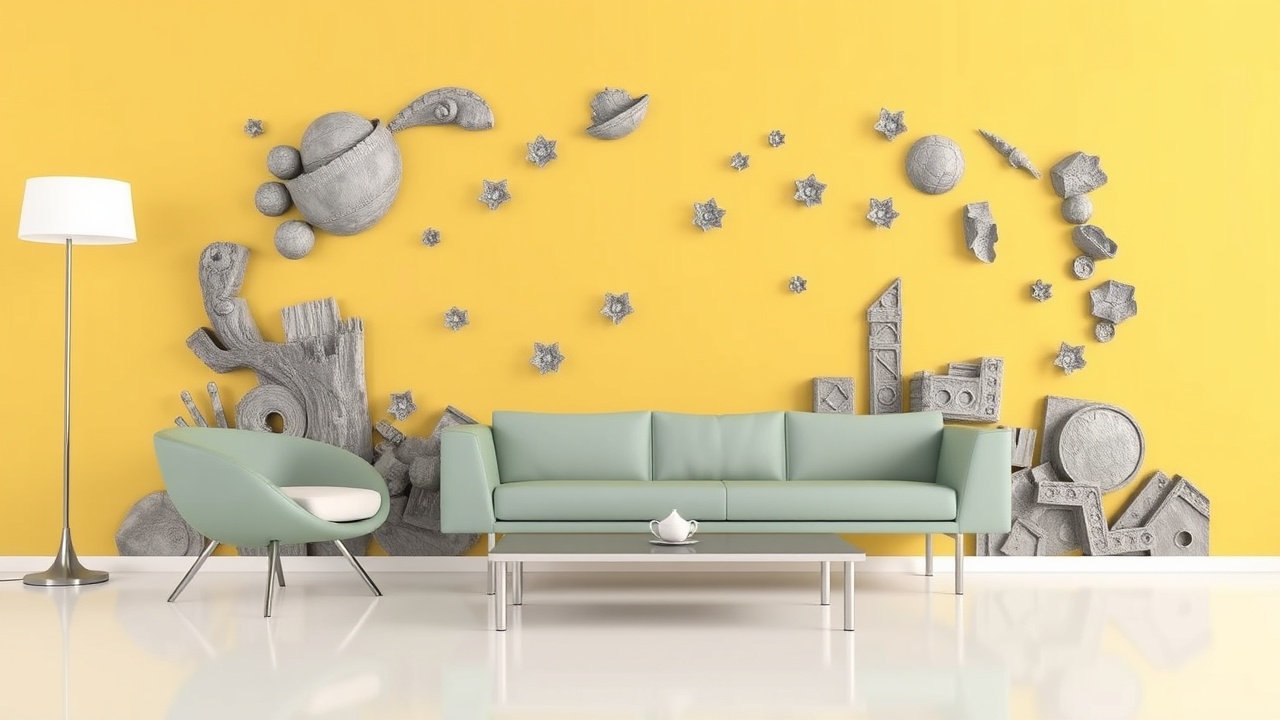
The temporary nature of wall decals is a significant advantage, allowing for easy removal and even reuse in some cases.
The Removal Process
Gentle techniques are recommended to avoid damaging the wall.
Heating the Decal
Warmth can soften the adhesive, making removal easier.
Using a Hair Dryer
Set a hair dryer to a low or medium heat setting and hold it a few inches from the decal.
Warming in Sections
Apply heat to small sections at a time to prevent the adhesive from re-hardening.
Peeling Gently
Slow and steady is the key.
Starting at an Edge
Begin peeling from a corner or edge of the decal.
Pulling at a Low Angle
Pull the decal away from the wall at a shallow angle, roughly parallel to the surface.
Dealing with Adhesive Residue
Some residue might remain after removal.
Mild Cleaning Solutions
Common household cleaners can often remove the residue.
Rubbing Alcohol
Apply a small amount to a soft cloth.
Goo Gone or Similar Products
These are specifically designed to break down adhesive.
Gentle Scraping
For stubborn residue, a plastic scraper or credit card can be used.
Avoiding Damage
Be careful not to scratch the paint or wall surface.
Reusing Wall Decals
Some high-quality decals can be reapplied.
Preserving the Adhesive
When initially removing, try to keep the adhesive as intact as possible.
Storing Decals
If planning to reuse, store them on their original backing paper or a similar smooth surface.
If you’re looking to enhance your home decor, wall decals and stickers can be a fantastic option. They offer a versatile way to express your personal style without the commitment of paint. For more inspiration on how to use these decorative elements effectively, check out this insightful article on wall decals and stickers. You’ll discover creative ideas and tips that can transform any space into a reflection of your personality.
Where to Apply Wall Decals and Stickers
| Category | Metrics |
|---|---|
| Popularity | High demand in home decor |
| Variety | Available in various designs and sizes |
| Material | Mostly made of vinyl |
| Application | Easy to apply and remove |
| Usage | Used for wall decoration and personalization |
The versatility of wall decals means they can enhance various spaces within a home or commercial setting. Consideration of the intended use and environment is important.
Living Spaces
Introduce personality and style to common areas.
Accent Walls
A single wall can be transformed with a large mural or a collection of smaller decals.
Behind the Sofa
A large graphic can serve as a focal point in a living room.
On a Fireplace Wall
Decals can add visual interest to a prominent architectural feature.
Above Furniture
Decals can draw attention to specific pieces or add a decorative flourish.
Above a Bed
A calming nature scene or abstract design can create a serene atmosphere.
Above a Desk
Inspirational quotes or creative patterns can stimulate productivity.
Children’s Rooms and Nurseries
Create a fun and engaging environment for young ones.
Themed Decor
Dinosaur, fairy tale, or outer space themes are easily realized with decals.
Playful Characters
Animals, cartoon figures, and whimsical designs can spark imagination.
Educational Graphics
Alphabet letters, numbers, or maps can add a learning element.
Ceiling Applications
A starry night sky or a playful cloud arrangement can make bedtime more exciting.
Kitchens and Dining Areas
Add a touch of style or practicality to these functional spaces.
Backsplash Alternatives
Decals can offer a decorative element behind countertops, though heat and moisture resistance should be considered.
Tile-Effect Decals
These can mimic the look of traditional tiles without the installation effort.
Food-Related Graphics
For a more thematic approach, consider subtle culinary motifs.
Dining Room Walls
Add visual interest or a conversation starter.
Artful Silhouettes
Abstract or cityscape silhouettes can suit a more modern dining space.
Subtle Patterned Designs
A repeating geometric pattern can add understated elegance.
Home Offices and Study Areas
Boost creativity and provide a personalized workspace.
Motivational Quotes
Reinforce positive affirmations or set a tone for focus.
Inspiring Sayings
Choose quotes that resonate with your professional goals.
Custom Lettering
Personalized monograms or company logos can add a professional touch.
Creative Murals
Large-scale graphics can inspire and energize.
Abstract Art
Bold colors and dynamic shapes can stimulate thinking.
Nature Scenes
A tranquil forest or serene landscape can promote a sense of calm.
Bathrooms and Other Wet Areas
Durability and moisture resistance are key considerations here.
Water-Resistant Options
Look for decals specifically designed for bathrooms or kitchens.
Decorative Patterns
Subtle patterns can add a touch of sophistication.
Marine or Tropical Themes
These can complement a bathroom’s often water-related context.
Mirror and Tile Accents
Small decals can refresh the appearance of existing fixtures.
Individual Shapes
Geometric shapes or small floral motifs can be applied strategically.
Edge Detailing
A thin, decorative strip can frame a mirror or cupboard.
If you’re considering enhancing your living space with wall decals and stickers, you might find it helpful to read about the various options available and their benefits. For more information on how to choose the right wall decor for your home, check out this insightful article on refund policies related to wall decals and stickers at refund policies. Understanding these policies can help you make a more informed decision when selecting the perfect designs for your walls.
Durability and Maintenance
Understanding the lifespan and care requirements of wall decals ensures they remain visually appealing.
Lifespan Expectations
The longevity of a decal depends on several factors.
Material Quality
Higher quality vinyl and adhesive generally result in a longer-lasting product.
Environmental Conditions
Exposure to direct sunlight, extreme temperatures, or excessive moisture can degrade the decal over time.
Surface Type
Adhesion to different wall finishes can influence how long a decal remains attached.
Cleaning and Care
Regular maintenance is generally minimal.
Gentle Cleaning
Avoid abrasive materials or harsh chemicals.
Damp Cloth Method
A soft, damp cloth is usually sufficient for dusting.
Mild Soap Solution
For light grime, a dilute solution of mild soap and water can be used.
Avoiding Harsh Scrubbing
Excessive rubbing can damage the decal’s surface or lift its edges.
Protection from Damage
Some precautions can help preserve your decals.
Sunlight Exposure
Consider positioning decals away from direct sunlight to prevent fading.
High Traffic Areas
In areas prone to accidental bumping or scraping, consider placing decals higher up or in less vulnerable locations.
Moisture and Steam
While some decals are water-resistant, prolonged exposure to high humidity or steam can compromise the adhesive.
By carefully selecting designs and following installation and maintenance guidelines, wall decals and stickers offer a practical and visually rewarding way to transform any living or working space. They provide a flexible and accessible avenue for creative expression, allowing individuals to personalize their surroundings without extensive renovation.