


Transform Your Kids’ Room with 3D Wall Decals
The children’s living space is more than just a place to sleep; it’s a canvas for imagination, a sanctuary for play, and a crucial element in their developmental journey. As children grow, their evolving interests and personalities necessitate a dynamic environment that can adapt and inspire. Traditional wall decorations, such as painted murals or posters, have long served this purpose. However, the advent of 3D wall decals offers a novel and impactful approach to transforming a child’s room, adding depth, dimension, and interactive potential that goes beyond flat surfaces. These innovative decorative elements are not merely aesthetic additions; they can foster creativity, encourage learning, and create a more engaging and personalized space for young minds. This article will explore the multifaceted benefits and practical considerations of integrating 3D wall decals into a child’s bedroom, delving into various themes, placement strategies, and the potential impact on a child’s experience within their own environment.
The concept of 3D wall decals represents an evolution in home décor, particularly for spaces designed for children. Unlike conventional flat stickers, these decals possess a tactile quality and visual depth that can significantly alter the perception of a room. They are designed to project outwards from the wall, creating a sense of dimensionality that can make a space feel larger, more dynamic, and more immersive. This is particularly impactful in a child’s room, where engagement and sensory stimulation are paramount for development and enjoyment.
Beyond Flat Surfaces: The Tactile and Visual Experience
The primary differentiator of 3D wall decals lies in their ability to break free from the confines of a two-dimensional plane. This is achieved through various manufacturing techniques, often involving layering, sculpting, or the use of multiple materials that create a raised effect. This raised element provides a tactile experience, allowing children to physically interact with the décor – to touch, to feel the contours, and to engage with the imagery in a more profound way than a flat image allows. This physical interaction can be particularly beneficial for younger children, aiding in the development of fine motor skills and spatial awareness.
Creating Immersive Environments
The visual impact of 3D wall decals is equally significant. They have the capacity to transform a plain wall into a scene, a landscape, or an interactive element. A decal of a dinosaur might appear to be stepping out of the wall, or a forest scene could offer the illusion of depth, making the room feel like an extension of that environment. This immersive quality can be a powerful tool for fostering imaginative play. Children can project themselves into the scenes created by the decals, developing narratives and engaging in imaginative scenarios that enhance their cognitive and social skills. The room becomes less of a room and more of a portal to another world.
Versatility in Design and Application
The market for 3D wall decals is vast and continues to expand. Designs range from abstract shapes and patterns to detailed representations of animals, characters from popular children’s media, natural landscapes, and educational themes. This variety ensures that there is a 3D wall decal to suit almost any taste, age, or developmental stage. Furthermore, the application process for many 3D decals is designed for ease, often utilizing strong adhesive backings that allow for simple peel-and-stick application, making them a practical choice for parents looking for a quick and effective way to update a child’s room.
Strategic Placement for Maximum Impact
The effectiveness of 3D wall decals hinges not only on their design but also on how and where they are placed within a child’s room. Strategic placement can amplify their visual appeal, enhance their functional benefits, and contribute to the overall ambiance of the space.
Creating Focal Points and Narrative Zones
Identifying specific areas within the room to serve as focal points can dramatically enhance the impact of 3D wall decals. For instance, a large, elaborate decal depicting a castle or a spaceship could be positioned above a bed or desk, drawing attention to that area and establishing it as a central theme. This approach can also be used to create “narrative zones.” A wall in a play area could be adorned with jungle animals, encouraging pretend safaris, while a reading nook might feature a whimsical forest scene to spark imagination during story time.
Above the Bed: A Sleepytime Spectacle
Placing 3D decals above a child’s bed is a popular and effective strategy. This location offers a prime opportunity to create a calming or enchanting environment conducive to sleep. Decals depicting starry skies, gentle clouds, or sleeping animals can contribute to a peaceful atmosphere. For older children, a more adventurous theme might be chosen, such as a superhero cityscape or a distant galaxy, to inspire dreams. The key is to select designs that align with the desired mood for bedtime, ensuring they are not overly stimulating but rather comforting and captivating.
Play Areas: Igniting Imaginative Adventures
Play areas are ideal canvases for more dynamic and interactive 3D wall decals. Themes like underwater worlds with playful sea creatures, busy cityscapes with vehicles, or enchanted forests filled with mythical beings can transform a simple play corner into an immersive adventure zone. These decals can also serve as prompts for imaginative play, encouraging children to interact with their surroundings and develop stories inspired by the décor. The tactile nature of some 3D decals can be particularly beneficial here, allowing children to engage with the designs physically.
Around Furniture: Enhancing Functionality and Aesthetics
Consider integrating 3D wall decals around existing furniture to not only enhance their aesthetic appeal but also to cleverly disguise or complement them. For example, a series of 3D clouds could be placed around a wardrobe, making it appear as if it’s emerging from the sky. Similarly, animal decals could be strategically positioned to create the illusion of them climbing or peeking out from behind a bookcase. This approach adds a layer of visual interest and can make functional pieces of furniture feel more integrated into the room’s thematic design.
Maximizing Natural Light and Room Dimensions
The placement of 3D wall decals should also take into account the room’s natural light sources and overall dimensions. Decals placed on walls that receive ample natural light will appear more vibrant and their three-dimensional qualities will be more pronounced. Conversely, placing decals in poorly lit areas might diminish their impact. When considering room dimensions, larger and more expansive decal designs can be used to visually broaden a narrow room or add height to a low ceiling, creating a sense of spaciousness.
Utilizing Corners and Alcoves: Creating Hidden Wonders
Corners and alcoves, often overlooked spaces, present unique opportunities for creative decal placement. A 3D decal depicting a hidden door or a secret tunnel in a corner can spark a child’s imagination and encourage exploration within their own room. Similarly, an alcove could be transformed into a miniature scene, such as a fairy garden or a tiny animal habitat, providing a sense of discovery and adding a delightful surprise element to the room.
Balancing Visual Weight: Avoiding Overcrowding
While the temptation to cover every available surface with decals might exist, it’s important to maintain a balance to avoid overcrowding the space. Overuse of 3D decals can make a room feel cluttered and overwhelming, detracting from their intended impact. Carefully selecting key areas for placement and allowing for negative space can help the decals breathe and truly stand out. A well-placed, impactful decal can often achieve more than multiple, smaller, less organized additions.
Thematic Development and Educational Value

3D wall decals offer a powerful medium for both thematic development and educational enrichment within a child’s room. By carefully selecting designs, parents can both create an aesthetically pleasing environment and subtly introduce learning opportunities.
Exploring Diverse Themes for Every Interest
The range of themes available in 3D wall decals is extensive, catering to virtually every child’s obsession. From popular cartoon characters and animated movie scenes to natural environments and fantastical creatures, there is a decal to match any interest. This allows for a high degree of personalization, ensuring that the child’s room truly reflects their developing personality and passions.
Educational Themes: Learning Through Immersion
Beyond pure aesthetics, many 3D wall decals are designed with an educational purpose. Maps of the world with raised continents, alphabet letters that appear to pop off the wall, or diagrams of the solar system can transform a child’s room into an interactive learning environment. These decals can make abstract concepts more tangible and engaging, fostering a love for learning from an early age.
The Solar System: A Celestial Classroom
Decals depicting the solar system can be particularly captivating. Planets can be designed with varying textures and sizes to reflect their actual characteristics, and constellations can be artfully arranged to create a sense of wonder. This allows children to learn the names of the planets, their order from the sun, and perhaps even some basic facts about each celestial body, all within the familiar comfort of their own room. The visual stimulation can aid in memory retention and make learning a more enjoyable experience.
Animal Kingdom Adventures: Biodiversity on Display
For a child fascinated by animals, 3D decals of various creatures can bring the animal kingdom to life. From playful farm animals to majestic jungle inhabitants and intriguing ocean dwellers, these decals offer a visual journey through different ecosystems. This can serve as an introduction to biodiversity, encouraging curiosity about different species and their habitats. The tactile nature of some animal decals can also aid in sensory development as children explore the textures of fur, scales, or feathers.
Character-Based Decals: Bringing Favorites to Life
Many children have strong affinities for characters from books, movies, and television shows. 3D wall decals featuring these beloved figures can create a sense of familiarity and excitement. A bedroom adorned with superheroes can inspire bravery and imaginative play, while decals from a favorite fairy tale can foster a sense of magic and wonder. It’s important to choose characters that resonate positively with the child and align with the overall desired mood of the room.
Fostering Creativity and Imaginative Play
The three-dimensional nature of these decals inherently encourages a more imaginative interaction with the room. When a child sees a 3D dinosaur, it’s not just a picture; it’s a creature that can be imagined to move, roar, or interact with the child. This visual and tactile stimulation fuels pretend play scenarios, allowing children to create their own stories and adventures within the confines of their room.
Encouraging Narrative Development
The presence of 3D elements can act as prompts for narrative development. A 3D pirate ship decal might inspire tales of treasure hunts, while a forest scene could lead to stories about woodland creatures and their escapades. Children can use the decals as characters or settings in their imaginative narratives, enhancing their storytelling abilities and fostering a more active and engaged approach to play.
Enhancing Spatial Awareness and Problem-Solving
The introduction of depth and dimension through 3D decals can also contribute to a child’s developing spatial awareness. As they navigate their room, they are constantly processing visual information about depth, distance, and perspective. This can subtly enhance their understanding of spatial relationships, which is a foundational skill for various cognitive tasks and even later academic pursuits.
Practical Considerations for Installation and Maintenance
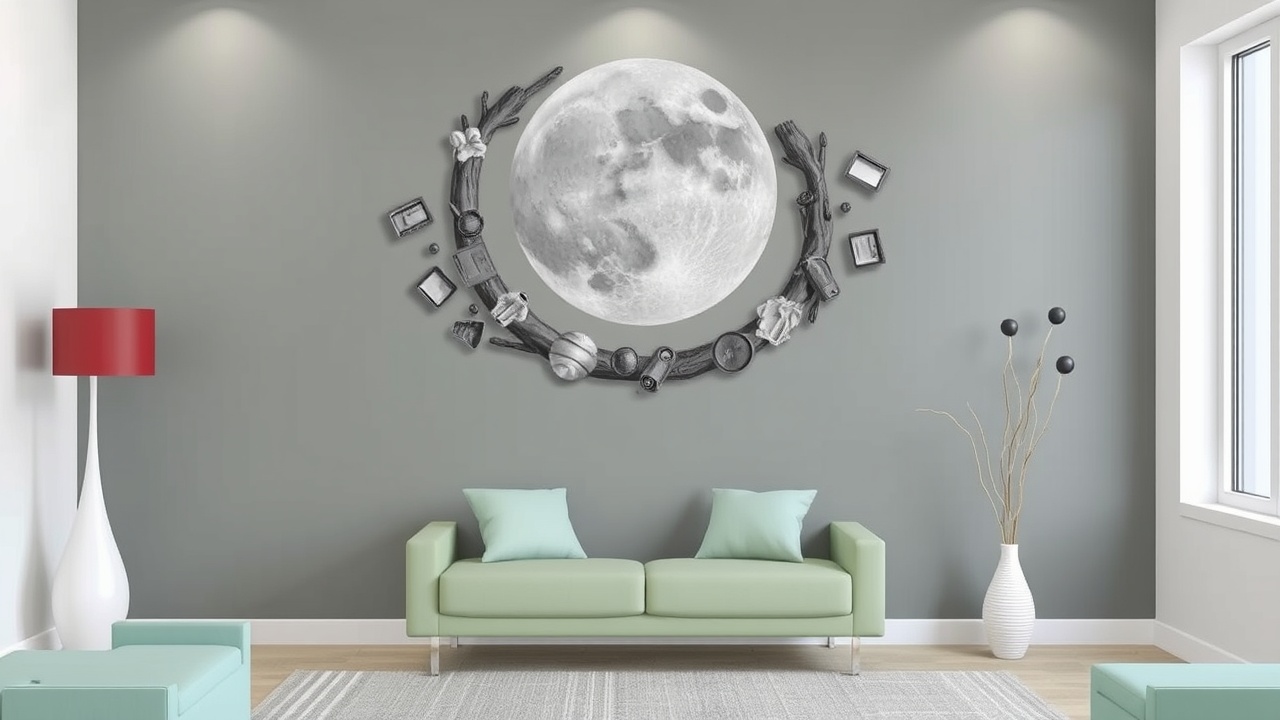
While the visual and imaginative benefits of 3D wall decals are clear, practical considerations regarding their installation and long-term maintenance are essential for a successful transformation of a child’s room. Choosing durable, safe, and easy-to-manage options will ensure a positive experience for both parents and children.
Material Quality and Durability
The materials used in 3D wall decals vary widely, impacting their durability, adhesive strength, and potential for damage. Opting for decals made from high-quality, non-toxic materials is crucial, especially for children’s spaces. Vinyl is a common and generally durable material, but finishes and thickness can differ.
Choosing Safe, Non-Toxic Materials
For a child’s room, safety is paramount. It is advisable to research the materials used in the decals and choose options that are explicitly labeled as non-toxic and free from harmful chemicals such as VOCs (volatile organic compounds). This is particularly important for decals that might be within a child’s reach or in a room where they spend a significant amount of time.
Longevity and Resistance to Wear and Tear
Children can be boisterous, and their rooms often bear the brunt of energetic play. Therefore, selecting 3D wall decals that are known for their durability and resistance to wear and tear is a wise investment. Materials that are washable or easily wipeable are a significant advantage, allowing for quick clean-ups of minor scuffs or marks.
Application Process and Removal
The ease of application and, importantly, the ease and safety of removal are key factors to consider when choosing 3D wall decals. Many are designed for straightforward peel-and-stick application, but some might require more specific techniques.
Peel-and-Stick Simplicity
The majority of modern 3D wall decals are designed with a strong adhesive backing that allows for simple peel-and-stick application. This is a significant convenience for parents, as it eliminates the need for complicated tools or adhesives. However, it’s always wise to read the manufacturer’s instructions carefully, as some larger or more intricate decals might benefit from a second person to assist with alignment and application.
Ensuring Damage-Free Removal
One of the major advantages of wall decals, including 3D versions, is their potential for removal without damaging the underlying wall paint. However, this is not always guaranteed, and the quality of the adhesive and the paint on the wall both play a role. It is advisable to test the decal on an inconspicuous area of the wall first, especially if the paint is old or has been recently applied. Gentle heating with a hairdryer can often assist in the removal process, making the adhesive more pliable.
Cleaning and Maintenance
Maintaining the pristine appearance of 3D wall decals requires a basic understanding of their cleaning needs and limitations. Incorrect cleaning methods can lead to damage, discoloration, or a reduction in their adhesive properties.
Gentle Cleaning Techniques
For most 3D wall decals, a soft, damp cloth is sufficient for cleaning. It’s crucial to avoid abrasive cleaning materials, harsh chemicals, or excessive moisture, which can damage the decal’s surface or its adhesive. For stubborn marks, a very mild soap solution can be used sparingly, followed by a gentle rinse with a clean, damp cloth and thorough drying.
Avoiding Direct Sunlight and Extreme Temperatures
Prolonged exposure to direct sunlight can cause 3D wall decals to fade over time, diminishing their visual appeal. Similarly, extreme temperatures can affect the adhesive and the integrity of the materials. Positioning decals away from direct sunlight and avoiding areas with significant temperature fluctuations will help preserve their quality and longevity.
Beyond Decoration: The Psychological and Developmental Impact
The transformative power of 3D wall decals extends beyond mere aesthetics. These decorative elements can have a subtle yet significant impact on a child’s psychological well-being and developmental progress, contributing to a more enriching and supportive living environment.
Creating a Sense of Belonging and Personalization
A child’s room is often their first introduction to personal space and ownership. When a room is adorned with décor that reflects their interests and personality, it fosters a stronger sense of belonging and ownership. 3D wall decals, with their ability to create immersive themes and engage the senses, can make a room feel truly “theirs,” contributing to their self-esteem and comfort.
Empowering Self-Expression
Allowing children to participate in the selection and placement of 3D wall decals provides them with an opportunity for self-expression. When children have a say in how their environment looks, they feel empowered and valued. This involvement can be a valuable exercise in decision-making and can help them develop confidence in their own tastes and preferences.
Fostering a Positive Relationship with Their Space
A visually stimulating and engaging room can foster a more positive relationship between a child and their living space. Instead of viewing their room as simply a place to sleep, it can become a source of inspiration, adventure, and comfort. This positive association can contribute to their overall happiness and well-being.
Stimulating Cognitive Development and Learning
As previously touched upon, 3D wall decals can be powerful tools for cognitive development and informal learning. The increased visual and tactile stimulation they provide can engage young minds in various beneficial ways.
Enhancing Visual-Spatial Skills
The introduction of depth and dimension through 3D decals can actively stimulate a child’s visual-spatial skills. As they perceive these elements, their brains are processing information about perspective, depth cues, and how objects occupy space. This can lay a foundational understanding for concepts in geometry, art, and even subjects like engineering and architecture later in life.
Encouraging Sensory Exploration
For younger children, the tactile nature of some 3D wall decals offers valuable sensory exploration. The ability to touch, feel the textures, and differentiate shapes can contribute to their sensory development, helping them learn about the physical properties of the world around them. This can be particularly important for children who benefit from multi-sensory learning experiences.
The Role in Imaginative Play and Storytelling
The immersive quality of 3D wall decals significantly amplifies opportunities for imaginative play and storytelling. These decals are not passive elements; they can become active participants in a child’s imagined worlds.
Catalysts for Creative Narratives
A room adorned with 3D depictions of fantastical creatures, historical settings, or otherworldly landscapes can serve as a powerful catalyst for creative narratives. Children can easily incorporate these visual elements into their pretend play, developing elaborate stories and scenarios. A 3D castle backdrop can become the setting for epic battles, or a wall of planets can facilitate interstellar adventures. The depth and dimensionality make these scenarios feel more real and engaging.
Developing Problem-Solving and Decision-Making Skills
During imaginative play, children often encounter situations that require them to think creatively and solve problems within their imagined context. For example, if a 3D decal of a dragon is blocking a path in their imaginary world, they might need to devise a strategy to overcome this obstacle. This type of play, facilitated by an engaging environment, helps develop critical thinking and problem-solving skills in a low-stakes, enjoyable manner.
In conclusion, 3D wall decals offer a dynamic and engaging approach to transforming a child’s room. They provide opportunities for aesthetic enhancement, thematic development, educational enrichment, and foster crucial cognitive and developmental skills. By carefully considering design, placement, and practical aspects, parents can create a vibrant, inspiring, and personalized space that supports a child’s growth and imagination.