


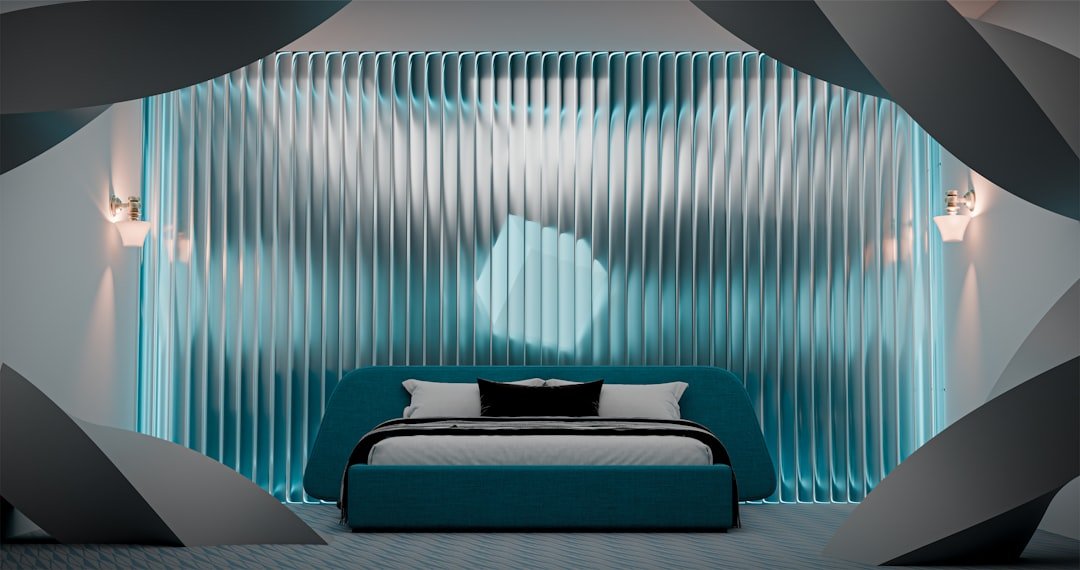
The bedroom, traditionally a sanctuary for rest and relaxation, often benefits from design elements that contribute to a serene and aesthetically pleasing environment. While paint and conventional wallpaper have long been staples, 3D wall designs offer a contemporary approach to transforming this space. These dimensional elements introduce depth, texture, and visual interest, moving beyond flat surfaces to create a more immersive atmosphere.
3D wall designs encompass a range of materials and techniques that add a third dimension to a flat wall. Unlike two-dimensional prints, these designs physically protrude or recede from the wall surface, creating shadows and highlights that change with the ambient light. This dynamism contributes to a more engaging visual experience and can significantly alter the perception of space within a room.
Materials Used in 3D Wall Design
The choice of material is fundamental to the aesthetic and functional properties of a 3D wall. Each material offers distinct advantages in terms of texture, durability, and stylistic compatibility.
PVC and Vinyl Panels
PVC and vinyl are popular choices due to their versatility and ease of installation. These lightweight panels are often pre-molded with various patterns, from geometric shapes to organic textures. They are water-resistant, making them practical for areas where some moisture might be present, and relatively simple to clean. Their affordability also makes them an accessible option for many homeowners.
Wood and MDF Panels
For a more natural or rustic appeal, wood and Medium-Density Fiberboard (MDF) panels offer warmth and tactile richness. These can be carved, routed, or assembled in multi-layered configurations to create intricate patterns. Wood panels often bring an inherent character through their grain and natural variations, while MDF provides a smoother, more uniform surface that can be painted or finished to mimic various textures.
Gypsum and Plaster Panels
Gypsum and plaster panels provide a sophisticated, often seamless finish. These materials allow for intricate detailing and can be integrated into the wall structure, offering a more bespoke and architectural feel. While installation can be more involved, the resulting smooth, continuous surfaces are ideal for creating a refined look that can be painted to match any color scheme.
Fabric and Upholstered Panels
For a softer, more luxurious touch, upholstered panels introduce both visual and tactile depth. These panels are typically framed, padded, and covered with fabric, offering sound-dampening properties in addition to their aesthetic contribution. They are particularly effective when aiming for a plush, comfortable bedroom atmosphere, and can be customized in terms of fabric type, color, and texture.
Types of 3D Wall Patterns
Beyond material, the pattern chosen for a 3D wall significantly influences the room’s overall aesthetic. Patterns can range from subtle textures to bold, illustrative designs.
Geometric Patterns
Geometric patterns, such as hexagons, cubes, waves, or repeating angular forms, introduce a sense of order and modernism. These patterns can be used to create optical illusions, making a smaller room feel more expansive or adding a dynamic energy to a larger space. The repetition and symmetry often found in geometric designs contribute to a sense of balance.
Organic and Nature-Inspired Motifs
Drawing inspiration from the natural world, organic patterns feature fluid lines, botanical elements, or abstract interpretations of natural phenomena. These motifs can evoke a sense of calm and tranquility, making them well-suited for a bedroom. Examples include leaf patterns, floral designs, or wave-like textures that mimic water.
Abstract and Art-Inspired Designs
Abstract 3D compositions allow for greater creative expression, often serving as a focal point in the room. These designs may not represent anything concrete but focus on form, line, and texture to create an artistic statement. They can range from subtle textural variations to bold, sculptural installations, reflecting individual taste and complementing contemporary interior styles.
If you’re looking to elevate your 3D bedroom wall design, you might find inspiration in the article about creative wall clings that can transform your space. These innovative wall decals offer a unique way to add depth and personality to your room without the commitment of paint or wallpaper. To explore more about how wall clings can enhance your interior design, check out this informative piece at Creative Wall Clings: Transform Your Space.
Strategic Placement: Where to Install 3D Wall Designs
The effectiveness of a 3D wall design is heavily dependent on its placement within the bedroom. Strategic installation can enhance specific features, define zones, or create a powerful focal point without overwhelming the space.
The Feature Wall
Perhaps the most common and impactful placement for a 3D wall design is as a feature wall. This typically involves applying the design to a single wall, often the one behind the bed. This positioning naturally draws attention to the bed as the room’s central element and provides an impressive backdrop. When selecting a feature wall, consider the natural light unique to the room, as different textures will look different based on the direction the light hits them.
Headboard Alternative
A 3D wall design can serve as an innovative and integrated alternative to a traditional headboard. Instead of a separate piece of furniture, the wall itself becomes a decorative and functional element, lending a custom-built feel to the bed area. This approach can free up floor space and create a more streamlined look, particularly in smaller bedrooms.
Zoned Areas
In larger bedrooms or open-plan living spaces where a bedroom flows into another area, 3D wall designs can be used to subtly delineate different zones. For instance, a textured wall panel might mark out a reading nook, a dressing area, or a small home office corner within the bedroom, providing visual separation without the need for physical partitions.
Ceiling Applications
While less common, 3D panels can also be applied to ceilings, offering a unique and often unexpected design element. This can add architectural interest and create an illusion of greater height or an enclosing effect, depending on the pattern and depth of the panels. When applied to the ceiling, the panels must be lightweight and securely installed. Some 3D designs can even incorporate lighting into them for a further aesthetic touch.
Installation Considerations and Tips
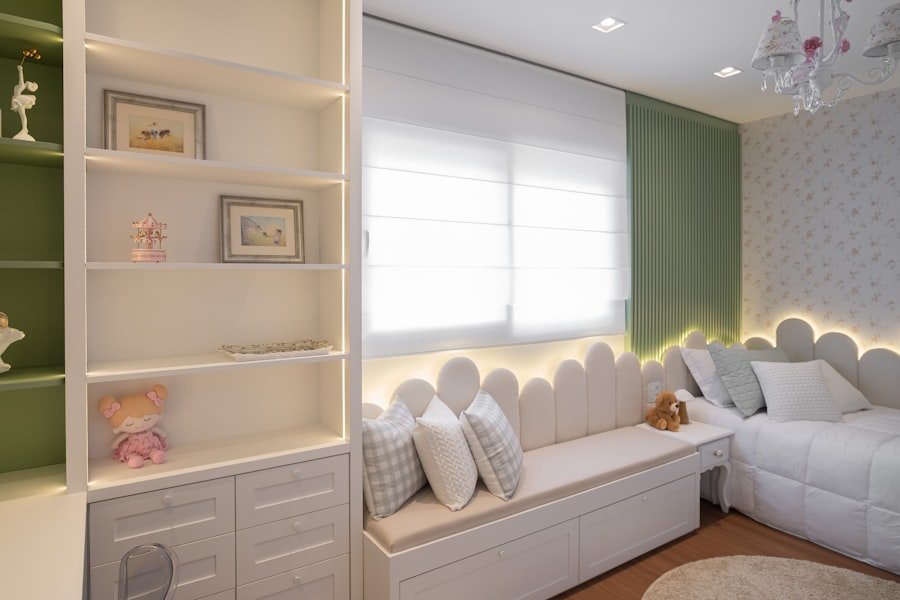
Successful implementation of 3D wall designs requires careful planning and execution. From surface preparation to professional expertise, various factors contribute to the longevity and aesthetic appeal of the final result.
Surface Preparation
Proper surface preparation is crucial for any wall covering, and 3D panels are no exception. The wall must be clean, dry, smooth, and free of any dust, grease, or loose paint. Minor imperfections in the wall might be concealed by the 3D nature of some panels, but major irregularities should be addressed beforehand to ensure a level and secure installation. A primer might be necessary to improve adhesion, especially on porous surfaces.
Adhesives and Fasteners
The method of attachment depends largely on the material and weight of the panels. Lightweight PVC and vinyl panels often use construction adhesive or double-sided tape designed for wall applications. Heavier materials like wood, MDF, and gypsum may require mechanical fasteners such as screws or nails in addition to adhesive, particularly if they are large or have significant depth. Following manufacturer’s recommendations for adhesives and fasteners is essential to ensure durability.
Professional Installation vs. DIY
While some 3D wall panels are marketed as DIY-friendly, especially those with peel-and-stick backing or interlocking systems, others necessitate professional installation. Complex patterns, large panels, or materials requiring precise cutting and finishing are often best handled by experienced installers. Professionals can ensure proper alignment, seamless transitions, and a polished final look, avoiding common pitfalls such as visible seams or uneven surfaces.
Lighting Integration
The interplay of light and shadow is fundamental to the visual impact of 3D wall designs. Integrating lighting, such as recessed lights, strip lighting along edges, or spotlights, can dramatically enhance the three-dimensional effect. Angled lighting can accentuate the textures and depths of the panels, changing the room’s ambiance throughout the day and evening. This requires careful planning during the design phase.
Maintenance and Longevity
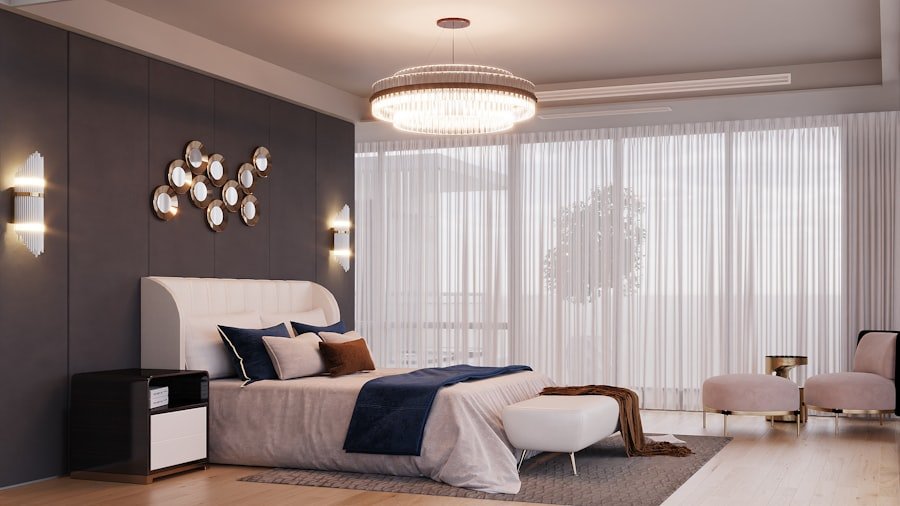
To preserve the aesthetic appeal and structural integrity of 3D wall designs, proper maintenance is necessary. The specific care required will vary depending on the materials used.
Cleaning Procedures
For PVC and vinyl panels, a soft cloth dampened with mild soap and water is typically sufficient for cleaning. Avoid abrasive cleaners or harsh chemicals, which can damage the surface. Wood and MDF panels may require dusting with a dry cloth or a slightly damp one, followed by immediate drying to prevent moisture damage. Gypsum and plaster panels can usually be dusted or gently wiped. Fabric-covered panels might need vacuuming with an upholstery attachment or professional fabric cleaning.
Repairing Damages
Minor damages, such as scratches or chips on PVC or painted MDF panels, can sometimes be touched up with matching paint or repair kits. More significant damage to gypsum or plaster might require patching and re-finishing by a professional. For upholstered panels, fabric tears can often be repaired by a skilled upholsterer. Regular inspection of the panels can help identify and address issues before they escalate.
Protecting from Environmental Factors
Depending on the material, 3D panels might be susceptible to certain environmental factors. For example, direct sunlight can cause fading in some colored plastics or fabrics over time. High humidity levels could lead to warping in wood or MDF if they are not adequately sealed. Maintaining stable room temperatures and humidity levels can contribute to the longevity of the wall design.
If you’re looking to elevate your bedroom’s aesthetic, exploring innovative ideas in 3D wall design can be a game changer. A great resource for inspiration is an article that focuses on transforming kids’ rooms with captivating 3D wall decor. You can find it here: transform your kids’ room with 3D wall deco. This article showcases various creative approaches that not only enhance the visual appeal but also add a playful touch to any space.
The Aesthetic and Psychological Impact of 3D Walls
Beyond their visual appeal, 3D wall designs can influence the mood and perception of a bedroom. Understanding these effects can help in selecting the most appropriate design.
Enhancing Visual Interest and Depth
The primary function of a 3D wall is to add visual interest. By breaking the monotony of a flat surface, these designs create a dynamic backdrop that engages the eye. The variations in depth and texture play with light and shadow, giving the room a sense of movement and evolving character throughout the day. This can make a room feel less static and more inviting.
Creating a Sense of Space
Depending on the pattern and color, 3D wall designs can manipulate the perception of space. Lighter colors and subtle, receding patterns can make a room feel more expansive and open. Conversely, darker colors and prominent, protruding patterns might create a cozier, more intimate atmosphere, particularly effective in larger bedrooms that might otherwise feel too vast.
Contributing to Ambiance and Mood
The texture and pattern of a 3D wall directly impact the room’s ambiance. Organic, soft textures can contribute to a relaxing and tranquil environment, ideal for a bedroom. Geometric patterns might introduce a more energetic or modern feel, suitable for a contemporary aesthetic. The overall mood is also influenced by the color chosen for the panels, which can range from calming neutrals to vibrant statement hues.
Sound Absorption Properties
While not their primary function, some 3D wall materials, particularly upholstered or fabric panels, offer a degree of sound absorption. This can be beneficial in a bedroom, helping to dampen echoes and reduce ambient noise, contributing to a quieter and more peaceful resting environment.
Concluding Thoughts on 3D Wall Designs in Bedrooms
3D wall designs offer a compelling alternative to traditional wall coverings, providing a blend of artistic expression and functional benefits. They can transform a bedroom from a merely functional space into a visually rich and distinctive personal haven. By carefully considering materials, patterns, placement, and installation, homeowners can create a bespoke environment that enhances comfort, style, and overall well-being. Whether the goal is to introduce a subtle texture or to make a bold architectural statement, 3D wall designs provide a versatile tool for contemporary bedroom decor.
FAQs
What is 3D bedroom wall design?
3D bedroom wall design refers to the use of three-dimensional elements, such as textured panels, geometric patterns, or sculptural features, to create visual interest and depth on the walls of a bedroom.
What are the benefits of 3D bedroom wall design?
Some benefits of 3D bedroom wall design include adding a modern and stylish touch to the bedroom, creating a focal point, and enhancing the overall aesthetic appeal of the space. Additionally, 3D wall designs can also help to conceal imperfections on the walls.
How can 3D bedroom wall design be implemented?
3D bedroom wall design can be implemented using various materials such as wood, gypsum, or PVC panels. These materials can be installed directly onto the wall or used to create custom designs and patterns. Additionally, 3D wallpaper and paint techniques can also be used to achieve a similar effect.
What are some popular 3D bedroom wall design ideas?
Popular 3D bedroom wall design ideas include creating a textured accent wall using reclaimed wood panels, installing geometric patterned wall tiles, or incorporating sculptural elements such as 3D wall art or decorative molding.
Are there any considerations to keep in mind when implementing 3D bedroom wall design?
When implementing 3D bedroom wall design, it is important to consider the overall style and theme of the bedroom, as well as the size and layout of the space. Additionally, lighting should be taken into account to ensure that the 3D elements are properly highlighted and enhance the ambiance of the room.