


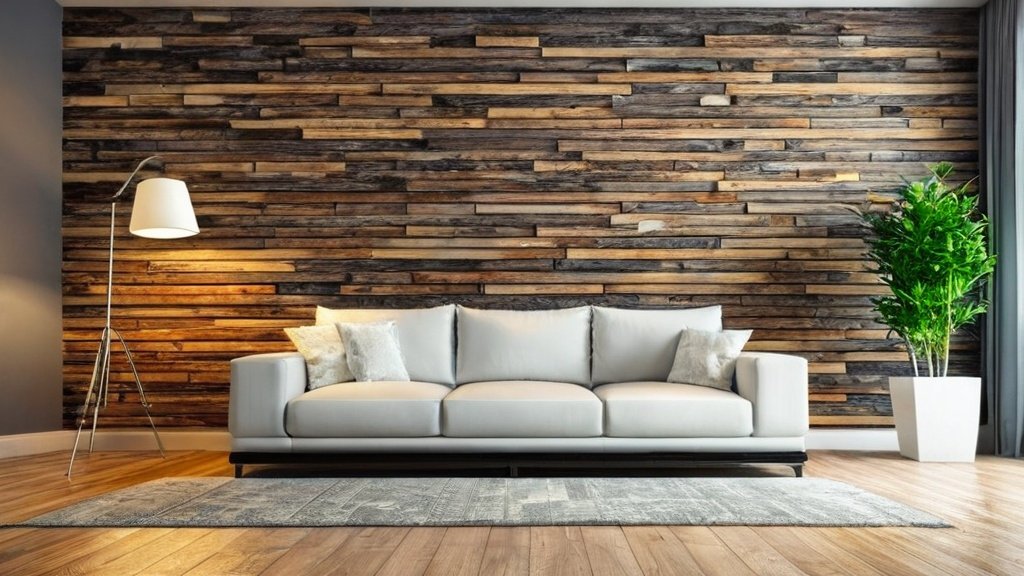
Revamp Your Space with 3D Wall Art
The concept of transforming interior spaces has evolved significantly from simple paint jobs and framed pictures. In recent years, 3D wall art has emerged as a dynamic and impactful method to inject personality, depth, and visual interest into any room. This innovative approach moves beyond two-dimensional flatness, creating a tangible and immersive experience for occupants. Whether aiming for a subtle enhancement or a bold statement, 3D wall decals and decorations offer a versatile solution for homeowners and designers seeking to elevate their interiors. This article will explore the various facets of 3D wall art, from its application in different rooms to the practical considerations of its use.
The inherent appeal of 3D wall art lies in its ability to break free from the conventional confines of a flat surface. Unlike traditional posters or paintings, which present imagery on a single plane, 3D elements introduce physical depth and texture. This can manifest in various forms, including raised patterns, sculpted pieces, layered graphics, or even elements that appear to extend outwards from the wall. The interplay of light and shadow across these three-dimensional forms further enhances the visual dynamism, creating a sense of movement and intrigue. This dimensionality can make walls appear larger, more intricate, and significantly more engaging.
Adding Depth and Dimension
The primary advantage of 3D wall art is its capacity to add a literal sense of depth to a room. This can be particularly beneficial in smaller spaces, where the illusion of greater expanse can make a significant difference. By creating visual layers, the artwork draws the eye outwards, preventing the walls from feeling like mere barriers. This is achieved through techniques like layering different textures, using materials that protrude from the wall, or employing optical illusions that suggest depth where none physically exists. The result is a more inviting and spacious-feeling environment.
Enhancing Visual Interest and Texture
Beyond depth, 3D wall art introduces tactile and visual texture that can elevate the overall aesthetic of a space. The physical presence of sculpted elements, raised patterns, or intricately layered designs invites a closer look and can add a tactile dimension to the decor. This textural variation can contrast with smoother surfaces, creating a more sophisticated and multi-layered interior design. The visual interest generated by these three-dimensional features can also serve as a focal point, drawing attention and conversation.
Creating a Sense of Immersion
When executed effectively, 3D wall art can create a truly immersive experience. This is particularly evident in themed rooms or spaces designed for specific purposes, such as entertainment areas or children’s playrooms. Imagine a jungle-themed children’s room where the leaves and vines of a 3D decal appear to creep across the walls, or a living room adorned with a sculptural piece that evokes a sense of nature. This immersion can transport occupants, making a room feel like more than just a static space.
If you’re looking to enhance your living space with unique designs, consider exploring the world of 3D wall decoration. A great resource for inspiration and purchasing options is this article on Wallstickr, which showcases various styles and materials that can transform your walls into stunning focal points. You can check it out here: Wallstickr 3D Wall Decoration.
Practical Applications of 3D Wall Art by Room
The versatility of 3D wall art allows for its application across various rooms, each offering unique opportunities for creative expression and functional enhancement. From the practical needs of a kitchen to the playful spirit of a child’s bedroom, 3D designs can be tailored to suit the specific environment.
3D Kitchen Wall Design for Practicality and Style
The kitchen is a high-traffic area that often balances functionality with aesthetics. 3D wall art in this space can serve a dual purpose: adding visual appeal and offering practical benefits. For instance, 3D kitchen wall design elements can incorporate realistic textures that mimic brick, subway tile, or even wood, providing a stylish upgrade without the labor and cost of traditional materials.
Creating a Statement Backsplash
A 3D wall decal can be an impactful alternative to traditional tiled backsplashes. These decals can be designed to resemble intricate tile patterns, brickwork, or even geometric designs that add significant visual flair. Many are designed to be wipeable and water-resistant, making them suitable for the demands of a kitchen environment. The raised elements can add a tangible and sophisticated finish.
Adding Texture and Interest to Cabinets and Appliances
Beyond backsplashes, 3D stickers can be applied to kitchen cabinets or even refrigerators to refresh their appearance. Unique patterns or metallic finishes can give older appliances a modern facelift. The careful application of textured decals can also break up monotonous cabinet fronts, adding depth and character to the overall kitchen design.
Considerations for Durability and Maintenance
When selecting 3D kitchen wall art, it is crucial to consider durability and ease of maintenance. Materials that are resistant to moisture, grease, and heat are essential. The ability to wipe the surface clean is paramount. Many modern 3D wall decals are made from vinyl or other durable, washable materials that are well-suited for kitchen environments.
If you’re interested in enhancing your living space with unique designs, exploring the world of 3D wall decoration can be a great start. These innovative decorations not only add depth and texture to your walls but also create a stunning focal point in any room. For more insights on how to effectively use wall decorations to transform your home, you can check out this informative article on wallstickr.com.
3D Bedroom Wall Design for Serenity and Style
The bedroom is a sanctuary, and 3D wall art can contribute to its atmosphere of relaxation and personal expression. The approach here often focuses on creating a calming or inspiring backdrop, depending on individual preferences.
Crafting a Relaxing Ambiance with Nature-Inspired Designs
Many 3D bedroom wall designs draw inspiration from nature, offering a sense of tranquility. Think of cascading waterfalls, serene forest scenes with layered trees appearing to extend from the wall, or floral motifs with actual depth. These elements can contribute to a peaceful and restorative environment, ideal for a bedroom.
Incorporating Geometric Patterns for a Modern Aesthetic
For those who prefer a more contemporary feel, 3D geometric wall art can be a striking choice. Interlocking shapes, faceted designs, or optical illusions that play with perception can add a sophisticated and modern touch. These can serve as a focal point behind the bed or as a dynamic accent on a feature wall.
Personalizing with Themed Decals and Murals
Personalization is key in a bedroom. 3D wall decals can range from subtle textures to elaborate murals that depict favorite landscapes, abstract art, or even cityscapes. The three-dimensional aspect can make these scenes feel more immersive and engaging, transforming the bedroom into a unique personal retreat.
3D Kids Room Wall Decal for Playfulness and Imagination
Children’s rooms are spaces for imagination, learning, and play. 3D wall decals are a natural fit, offering opportunities to create vibrant and engaging environments that stimulate a child’s creativity.
Bringing Stories to Life with Themed Decals
The possibilities for 3D kids room wall decals are virtually endless. Characters from favorite cartoons, mythical creatures, or adventurous scenes can be brought to life with layered and textured decals. These can turn a plain wall into a fantastical landscape, encouraging imaginative play.
Encouraging Learning Through Interactive Designs
Some 3D wall decals are designed with educational elements. For example, a world map with raised continents or alphabet letters that appear to pop off the wall can make learning more interactive and enjoyable for young children. These can be both decorative and didactic.
Creating a Safe and Stimulating Play Environment
Safety is a primary concern for children’s rooms. Most 3D wall decals are made from non-toxic materials and are designed for easy application and removal, minimizing damage to walls when styles change. The visual stimulation provided by 3D art can contribute to a more dynamic and exciting play environment.
3D Living Room Wall Design for Sophistication and Impact
The living room is often the heart of the home, a space for entertaining and relaxation. 3D wall art here can elevate the room’s aesthetic, creating a memorable impression.
Establishing a Focal Point with Sculptural Pieces
Large-scale sculptural 3D wall art can serve as a dramatic focal point in a living room. These pieces can range from abstract forms to more representational creations, adding a sophisticated and artistic dimension to the space. The play of light on these elements can create ever-changing visual interest.
Enhancing Mood with Textured Wall Paneling
Beyond decals, 3D wall paneling offers a more permanent and impactful solution for living rooms. These panels can mimic natural materials like wood or stone, or feature modern geometric patterns, adding significant texture and depth. This can completely transform the feel of a room, making it more inviting and luxurious.
Creating an Illusion of Space with Strategic Placement
In smaller living rooms, carefully chosen 3D wall art can create an illusion of greater space. Strategically placed pieces that extend outwards or create visual depth can draw the eye and make the room feel more expansive. Mirrored 3D elements can also reflect light and magnify the sense of space.
3D School Wall Decoration for Engagement and Learning
Educational institutions can also benefit from the visual impact of 3D wall art. In school settings, it can be used to create more engaging learning environments and foster a sense of community.
Making Learning Interactive and Visually Stimulating
3D school wall decoration can transform classrooms into dynamic learning spaces. Large-scale 3D maps, depictions of historical events that appear to unfold on the wall, or scientific models that protrude from the surface can make abstract concepts more tangible and memorable for students.
Fostering a Welcoming and Inspiring Atmosphere
Beyond specific learning objectives, 3D art can contribute to a more welcoming and inspiring school environment. Murals depicting positive affirmations, nature scenes, or motivational quotes can enhance the overall atmosphere and boost student morale.
Designing Themed Areas for Different Subjects
Schools can utilize 3D wall decoration to create themed areas dedicated to specific subjects. For example, a science classroom might feature a 3D solar system, while a history classroom could have a timeline with raised significant events. This visual organization can aid in comprehension and engagement.
Choosing the Right 3D Wall Art
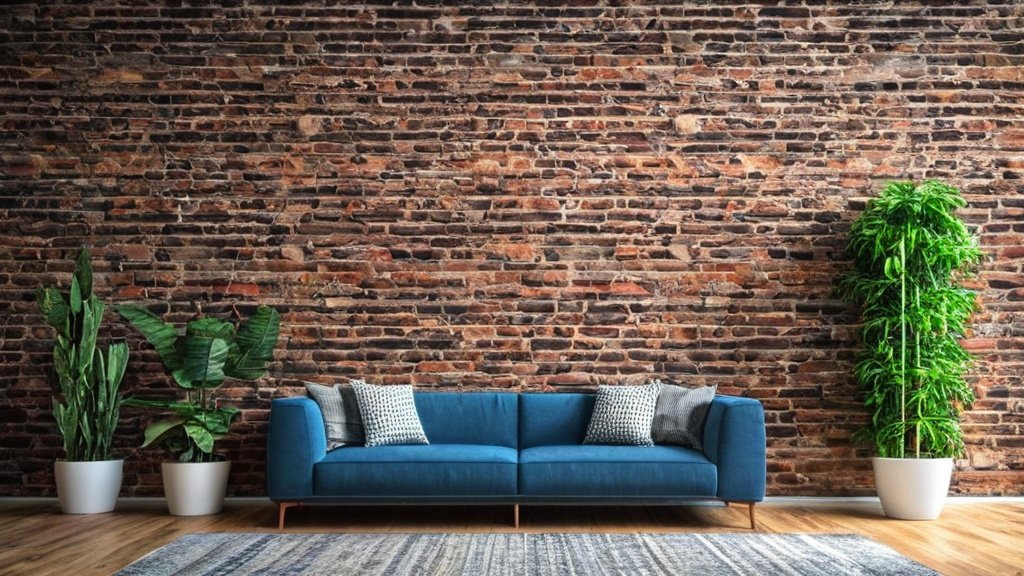
The selection of 3D wall art requires careful consideration of various factors to ensure it complements the existing decor and serves its intended purpose.
Material and Durability
The materials used in 3D wall art vary widely, from flexible vinyl for decals to rigid foam or even metal for more substantial pieces. For high-traffic areas or spaces prone to moisture, such as kitchens, choosing materials that are wipeable, water-resistant, and durable is crucial. For children’s rooms, non-toxic and easily cleanable materials are paramount.
Application and Removal
The method of application and removal is a significant practical consideration. Removable 3D wall decals offer flexibility, allowing for easy updates and style changes without damaging the underlying wall surface. Permanent installations, such as 3D wall panels, require more deliberate planning and are generally not intended for frequent repositioning.
Scale and Proportion
The scale of the 3D wall art should be appropriate for the size of the room and the intended design. An oversized piece in a small room can feel overwhelming, while a small element in a large space might get lost. Proportion is key to creating a balanced and visually pleasing composition.
Style and Theme
The style and theme of the 3D wall art should align with the overall aesthetic of the room and the desired mood. Whether aiming for minimalist sophistication, playful vibrancy, or an immersive natural setting, the chosen artwork should contribute harmoniously to the interior design.
Installation and Maintenance of 3D Wall Art
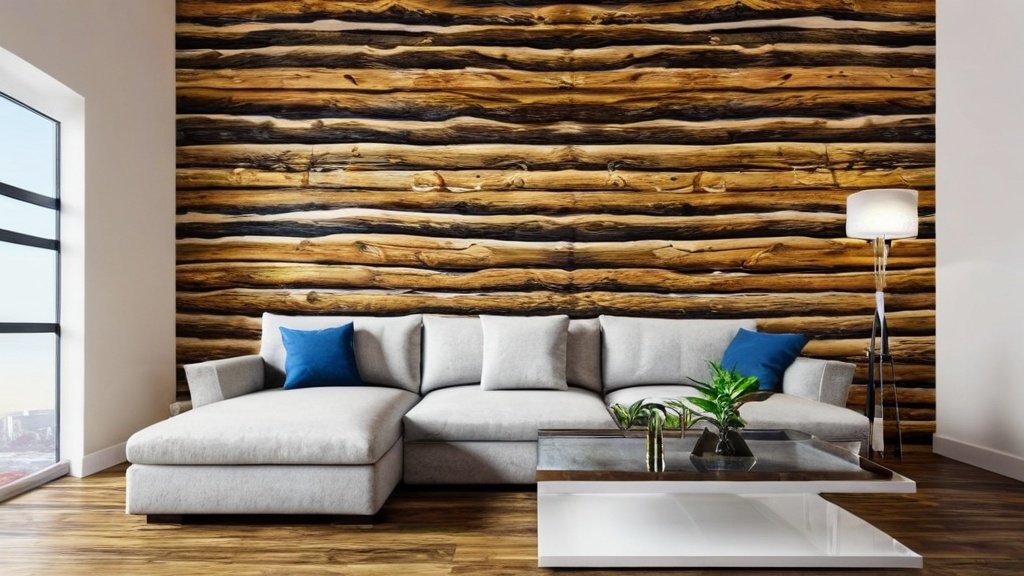
The process of installing and maintaining 3D wall art is generally straightforward, though it can vary depending on the type of product.
Preparing the Surface
Before applying any 3D wall art, it is essential to prepare the wall surface. It should be clean, dry, and free from dust, grease, or loose paint. For 3D decals, a smooth surface is usually recommended for optimal adhesion. For heavier 3D elements, ensuring the wall can support the weight is critical.
Application Techniques
For 3D wall decals, application typically involves peeling off a backing layer and adhering the sticker to the wall, similar to applying a large sticker. Following the manufacturer’s instructions precisely is important to avoid air bubbles or misalignments. For 3D panels or wall sculptures, professional installation may be recommended, especially for larger or heavier pieces that require secure mounting.
Cleaning and Care
The cleaning and care instructions for 3D wall art depend on the materials used. Many 3D wall decals can be wiped clean with a damp cloth and mild soap. Avoid abrasive cleaners or excessive moisture, which could damage the material or its adhesive. For 3D wall panels, specific cleaning agents may be recommended by the manufacturer. Regular dusting may be necessary for more intricate raised designs to prevent dust accumulation.
Long-Term Durability
The long-term durability of 3D wall art can vary. High-quality vinyl decals tend to be fade-resistant and can last for several years, especially when applied in areas not exposed to direct sunlight or extreme temperatures. The longevity of 3D panels will depend on the material quality and the environment in which they are installed. Proper application and care are key to maximizing the lifespan of any 3D wall art.
In conclusion, 3D wall art offers a compelling way to transform interior spaces by adding depth, texture, and visual interest. From the practical applications in kitchens and schools to the personalized expressions in bedrooms and living rooms, the versatility of 3D designs caters to a wide range of aesthetic preferences and functional needs. By carefully considering material, scale, style, and installation, individuals can effectively leverage this innovative decorative approach to create dynamic, engaging, and truly memorable environments. The evolution of wall decor has undeniably taken a significant leap forward with the advent of three-dimensional artistry.
FAQs
What is 3D wall decoration?
3D wall decoration refers to the use of three-dimensional elements to adorn and enhance the appearance of walls in a space. These elements can include sculptures, textured panels, and other decorative pieces that add depth and visual interest to the wall.
What materials are commonly used for 3D wall decoration?
Common materials used for 3D wall decoration include wood, metal, plastic, and composite materials. These materials can be shaped, carved, or molded into various designs and patterns to create a three-dimensional effect on the wall.
How is 3D wall decoration installed?
3D wall decoration can be installed using a variety of methods, depending on the specific material and design. Some common installation methods include adhesive mounting, hanging on hooks or brackets, or securing with screws or nails. It is important to follow the manufacturer’s instructions and use proper tools and hardware for installation.
What are the benefits of using 3D wall decoration?
Some benefits of using 3D wall decoration include adding visual interest and depth to a space, creating a focal point or accent wall, and enhancing the overall aesthetic appeal of the room. Additionally, 3D wall decoration can also help to conceal imperfections or damage on the wall surface.
Where can 3D wall decoration be used?
3D wall decoration can be used in various settings, including homes, offices, retail spaces, restaurants, and hospitality venues. It can be applied to both interior and exterior walls, depending on the material and design, to create a unique and visually appealing environment.