


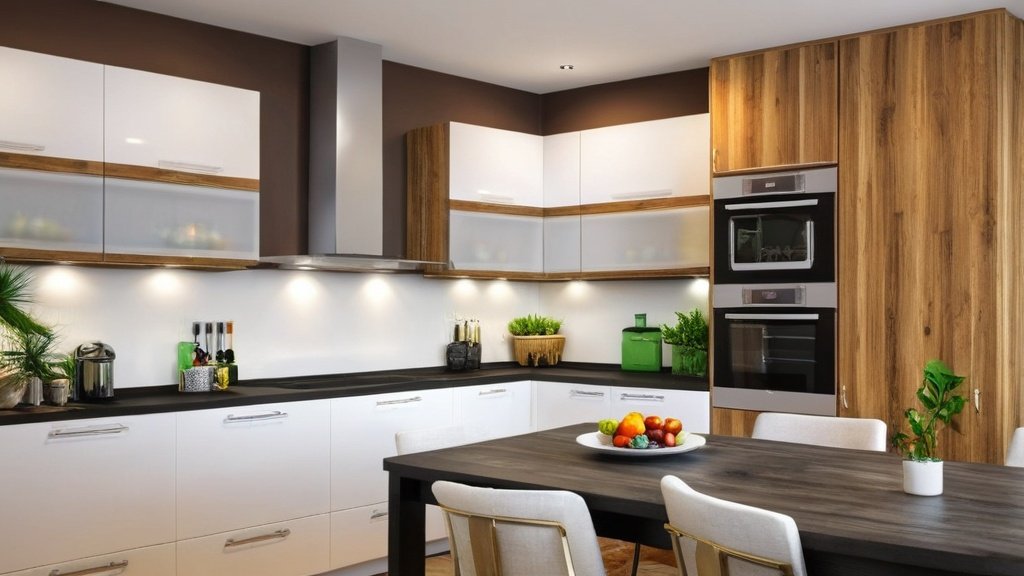
The kitchen, often considered the heart of the home, is a space for culinary creation, family gatherings, and everyday living. While functionality is paramount, aesthetics play a significant role in making this area inviting and inspiring. Traditional wall treatments, such as paint or wallpaper, offer a foundational aesthetic, but the advent of 3D wall designs provides an opportunity to elevate the kitchen’s visual appeal to a new dimension. These innovative solutions offer tactile depth and visual intrigue, transforming flat surfaces into dynamic focal points.
The Evolution of Wall Decor: Beyond Flat Surfaces
For centuries, wall decoration primarily involved two-dimensional applications: frescoes, murals, tapestries, paints, and wallpapers. Each method offered its own set of aesthetic possibilities, but none could truly break free from the inherent flatness of the wall itself. The desire for more immersive and sensory experiences in interior design has driven the innovation of new materials and techniques, leading to the rise of 3D wall decors. This evolution represents a shift from merely adorning a surface to actively shaping and adding a sculptural element to the architectural envelope.
From Reliefs to Panels: A Historical Perspective
Early forms of 3D wall decor can be traced back to ancient bas-reliefs, where sculpted images projected slightly from the background. Over time, these techniques evolved, incorporated into architectural elements like cornices and friezes. Modern interpretations began to emerge in the mid-20th century, with designers experimenting with textured wallpapers and geometric paneling. However, it is in the 21st century that technological advancements in material science and manufacturing have truly democratized 3D wall designs, making them accessible for a wide range of applications and budgets.
The Rise of Modular and Customizable Solutions
Contemporary 3D wall designs often come in modular panels or stickers, offering significant flexibility in installation and design. This modularity allows for customization in terms of pattern repetition, color schemes, and even the scope of the installation – from a small accent wall to an entire room. This adaptability is key to their growing popularity, as it enables homeowners and designers to create unique and personalized spaces without the need for bespoke architectural interventions.
If you’re looking to enhance your kitchen’s aesthetic with innovative design ideas, you might find inspiration in the article on 3D kitchen wall design. This resource explores various techniques and materials that can transform your kitchen space into a modern culinary haven. For more insights, check out the related article here: 3D Kitchen Wall Design.
Understanding 3D Wall Design Options for Kitchens
The term “3D wall design” encompasses a broad spectrum of products and techniques, each with distinct characteristics and applications suited for different kitchen styles and requirements. Understanding these options is crucial for making an informed decision that aligns with both aesthetic preferences and practical considerations.
PVC and Plastic Panels: Versatility and Durability
PVC and other plastic-based 3D wall panels are among the most popular choices for kitchens due to their intrinsic properties. They are lightweight, moisture-resistant, and relatively easy to clean, making them suitable for an environment prone to spills and humidity. These panels are available in a vast array of patterns, from geometric shapes and undulating waves to faux brick, stone, or wood textures.
Advantages of PVC Panels:
- Water Resistance: An essential feature for kitchen environments, protecting walls from splashes and steam.
- Ease of Maintenance: Simple to wipe clean, resisting stains and grease accumulation.
- Lightweight: Simplifies installation, often requiring only adhesive.
- Cost-Effectiveness: Generally more affordable than natural materials or complex installations.
- Variety of Designs: A wide selection of patterns and finishes to mimic various textures.
Considerations for PVC Panels:
- Heat Resistance: While generally durable, prolonged exposure to high heat directly behind a stove without adequate protection might be a concern for some types.
- Environmental Impact: While some manufacturers offer recycled options, the environmental footprint of plastics remains a consideration for some consumers.
Wood and MDF Panels: Natural Warmth and Texture
For kitchens seeking a more organic or traditional aesthetic, wood or MDF (Medium-Density Fiberboard) 3D panels offer a natural warmth and tactile texture. These panels can be carved, routed, or assembled to create intricate patterns and architectural details. Wood panels, particularly, can introduce a sense of craftsmanship and luxury.
Benefits of Wood/MDF Panels:
- Aesthetic Appeal: Conveys a sense of warmth, naturalness, and quality.
- Sound Absorption: Can contribute to better acoustics in open-plan kitchen designs.
- Customization: Can often be painted or stained to match specific color palettes.
- Durability: Properly sealed and maintained wood or MDF can be very long-lasting.
Practicalities of Wood/MDF in Kitchens:
- Moisture Sensitivity: Requires proper sealing and protection against humidity and water splashes.
- Maintenance: May require more care than plastic panels, particularly wood.
- Cost: Natural wood panels can be significantly more expensive.
Gypsum and Plaster Panels: Architectural Elegance
Gypsum and plaster 3D wall panels are often seen in more architectural or high-end designs. These materials allow for very intricate and sculptural forms, offering a sophisticated and elegant appearance. They can be painted to blend seamlessly with the surrounding decor or to create a striking contrast.
Characteristics of Gypsum/Plaster Panels:
- Sculptural Quality: Enables highly detailed and artistic three-dimensional patterns.
- Fire Resistance: Gypsum naturally possesses good fire-resistant properties.
- Seamless Finish: Can be installed and finished to appear as a continuous, monolithic surface.
Kitchen Specifics for Gypsum/Plaster:
- Weight: Heavier than plastic panels, requiring robust installation methods.
- Fragility: Can be more susceptible to chipping or damage if not handled carefully during installation or daily use.
- Moisture Protection: Still needs to be sealed and protected in moisture-prone areas.
Metallic Panels: Modern and Industrial Edge
For contemporary or industrial-style kitchens, metallic 3D panels offer a sleek, reflective, and modern aesthetic. Available in various metals like aluminum, steel, or even composite materials with a metallic finish, these panels can introduce a sophisticated sheen and textured relief.
Advantages of Metallic Panels:
- Modern Aesthetic: Creates a very contemporary and sometimes industrial feel.
- Durability: Metals are generally robust and long-lasting.
- Reflectivity: Can help bounce light around, making smaller kitchens feel larger and brighter.
Considerations for Metallic Panels:
- Fingerprints and Smudges: Some metallic finishes can show fingerprints easily, requiring more frequent cleaning.
- Cost: Can be more expensive than other options.
- Installation: May require specialized tools or expertise.
Strategic Placement: Where to Install 3D Wall Designs
The effectiveness of a 3D wall design in a kitchen lies not only in the choice of material and pattern but also in its strategic placement. A well-placed 3D feature can enhance the kitchen’s overall design without overwhelming the space.
The Backsplash Area: A Practical and Aesthetic Choice
The backsplash is a natural candidate for 3D wall treatment. It’s an area that inherently draws attention and benefits from durable, easy-to-clean surfaces. A 3D backsplash can protect the wall from splashes while adding a layer of visual interest that a flat tile might not achieve.
- Behind the Cooktop: This area is often the focal point of the kitchen and can greatly benefit from a compelling 3D pattern. Careful consideration of material heat resistance is necessary here.
- Under Wall Cabinets: Extending the 3D design to the entire backsplash area integrates the feature more cohesively into the kitchen’s architecture.
Accent Walls: Defining Zones and Enhancing Aesthetics
In larger kitchens or open-plan living spaces, an accent wall treated with a 3D design can help define the kitchen zone, distinguish it from adjacent areas, or simply add a dramatic decorative element.
- Dining Nook Wall: If your kitchen includes a dining area, a 3D accent wall behind the table can make this space feel more special and inviting.
- Wall Opposite the Island: This can be an effective way to balance the visual weight of a prominent kitchen island.
- Pantry Wall: For a discrete yet impactful design touch.
Island Facades: Adding Tactical Depth
The kitchen island is often a central feature. Applying 3D panels to its facade can transform it from a functional block into a piece of art, adding texture and depth to an otherwise flat surface.
- Integrating with Existing Design: Choose a panel design that complements the existing countertop and cabinetry materials.
- Durability for High-Traffic Areas: Select robust materials for the island facade to withstand kicks, bumps, and daily wear.
Installation and Maintenance of 3D Wall Designs
While the visual impact of 3D wall designs is significant, their practical application, including installation and ongoing maintenance, is equally important, particularly in a kitchen environment.
Installation Techniques: From DIY to Professional
The complexity of installation varies widely depending on the type of 3D panel chosen.
- Adhesive-Based Installation: Many lightweight plastic and PVC panels can be easily installed by a DIY enthusiast using construction adhesive, often adhering directly to a clean, flat wall.
- Mechanical Fasteners: Heavier panels, such as those made from gypsum or some types of wood, may require mechanical fasteners (screws, nails) in addition to or instead of adhesive. This generally calls for more advanced DIY skills or professional help.
- Interlocking Systems: Some modern 3D panels feature interlocking edges, simplifying alignment and creating a more seamless appearance.
Key Installation Considerations:
- Surface Preparation: The wall must be clean, dry, smooth, and level for optimal adhesion and appearance.
- Pattern Matching: For intricate patterns, careful planning and measurement are essential to ensure the pattern aligns correctly across panels.
- Cutting Panels: Specific tools may be required for cutting panels accurately, depending on the material (e.g., utility knife for PVC, jigsaw for wood, masonry saw for gypsum).
- Sealing Edges: Especially in kitchens, sealing seams and edges with appropriate caulk can prevent moisture penetration.
Cleaning and Care: Preserving the Aesthetic and Longevity
Kitchen-specific challenges like grease, food splatters, and moisture necessitate particular attention to the maintenance of 3D wall designs.
- Material-Specific Cleaning:
- PVC/Plastic: Generally the easiest to clean, often requiring just a damp cloth with mild soap or a non-abrasive household cleaner.
- Sealed Wood/MDF: Wipe with a damp cloth; avoid excessive moisture. Specialized wood cleaners can be used for deep cleaning or rejuvenation.
- Gypsum/Plaster: Dust regularly. For stains, a slightly damp cloth may work, but avoid saturating the material. If painted, consider the type of paint (e.g., washable vs. matte).
- Metallic: Wipe with a soft, damp cloth to avoid scratches. Polishing may be needed for some finishes to restore luster and remove fingerprints.
- Prompt Stain Removal: Address spills and splatters immediately to prevent them from setting into the texture or material.
- Avoid Abrasive Cleaners: Harsh chemicals or scrub brushes can damage the surface or finish of the 3D panels.
- Ventilation: Good kitchen ventilation is always beneficial, reducing overall humidity and grease buildup, which in turn helps maintain wall coverings.
If you’re exploring innovative ideas for 3D kitchen wall design, you might find inspiration in a related article that discusses various wall decor options to enhance your culinary space. This resource provides insights into how different textures and patterns can transform your kitchen into a stylish and functional area. For more details on selecting the right wall sizes and designs, check out this helpful size chart that can guide you in making the best choices for your kitchen renovation.
Designing Principles for 3D Kitchen Walls
Integrating 3D wall designs effectively into a kitchen requires an understanding of basic design principles. The goal is to enhance, not overwhelm, the space.
Scale and Proportion: Harmonizing with the Kitchen
The size and projection of the 3D pattern should be proportionate to the size of the kitchen and the wall it occupies.
- Small Kitchens: Opt for smaller, more subtle patterns with less projection to avoid making the space feel cramped.
- Large Kitchens: Can accommodate bolder, larger-scale patterns or more intricate designs without appearing too busy.
- Overall Balance: Ensure the textured wall balances other strong elements in the kitchen, such as cabinetry or appliances.
Color and Finish: Setting the Mood
The color and finish of the 3D panels significantly impact the kitchen’s mood and perceived sense of space.
- Monochromatic Schemes: Painting 3D panels the same color as adjacent walls or cabinetry creates a subtle, sophisticated texture that blends seamlessly.
- Contrasting Colors: Using a contrasting color can make the 3D wall a prominent focal point, adding vibrancy or drama.
- Reflective Finishes: Glossy or metallic finishes can reflect light, making the kitchen brighter and seemingly more spacious.
- Matte Finishes: Absorb light, creating a softer, more subdued texture that can add depth without high contrast.
Lighting: Emphasizing Texture and Depth
Proper lighting is essential to highlight the three-dimensional aspect of these wall designs. Without adequate lighting, the visual depth can be lost.
- Recessed Lighting: Can create a subtle wash of light that skims across the textured surface, emphasizing shadows and highlights.
- Strip Lighting: LED strip lights installed along the top or bottom edges of the 3D wall can dramatically illuminate its contours, enhancing the play of light and shadow.
- Spotlights: Directed spotlights can create focused highlights on specific areas, drawing attention to intricate details of the pattern.
- Natural Light: Consider how natural light interacts with the 3D wall throughout the day, as this can change its appearance and mood.
By carefully selecting the type of 3D wall design, strategically placing it, ensuring proper installation and maintenance, and applying sound design principles, homeowners can effectively revamp their kitchen, transforming a functional space into an engaging and aesthetically compelling environment. This innovative approach to wall decor offers a tangible way to add character, depth, and a touch of modern sophistication to any kitchen.
FAQs
What is 3D kitchen wall design?
3D kitchen wall design refers to the use of three-dimensional elements, such as textured tiles, panels, or wallpaper, to create visual interest and depth on the walls of a kitchen.
What are the benefits of using 3D kitchen wall design?
Some benefits of using 3D kitchen wall design include adding visual appeal to the kitchen, creating a focal point, and hiding imperfections on the walls. Additionally, 3D designs can make the kitchen space feel more dynamic and modern.
What materials are commonly used for 3D kitchen wall design?
Common materials used for 3D kitchen wall design include ceramic or porcelain tiles, glass tiles, textured wallpaper, reclaimed wood panels, and 3D wall panels made from materials like PVC or gypsum.
How can I incorporate 3D kitchen wall design into my space?
You can incorporate 3D kitchen wall design by choosing a focal wall to apply the 3D elements, such as behind the stove or kitchen island. Additionally, you can mix and match different materials and textures to create a unique and visually appealing design.
Are there any drawbacks to using 3D kitchen wall design?
Some potential drawbacks of using 3D kitchen wall design include the need for proper installation to ensure the elements are securely attached to the wall, as well as the possibility of the design becoming outdated over time. Additionally, some 3D materials may require special cleaning and maintenance.