


Thinking about giving your walls a fresh look without the commitment of paint or wallpaper? Custom wall clings are a fantastic way to do it. These aren’t your grandmother’s peel-and-stick borders; modern wall clings are versatile, durable, and surprisingly sophisticated, allowing you to personalize your space with ease and without leaving a trace when you decide to change things up.
Wall clings offer a unique blend of practicality and personalization that traditional wall décor often can’t match. They’re a far cry from the temporary decorations you might be imagining. We’re talking high-quality, custom-printed graphics that can transform a room in a matter of minutes.
A Low-Commitment Way to Decorate
One of the biggest draws of wall clings is their temporary nature. If you’re someone who likes to redecorate frequently, or if you’re renting and can’t make permanent changes, clings are ideal. You can easily apply them, enjoy them for a while, and then remove them without damaging the paint or leaving any sticky residue. This flexibility is a game-changer for interior design enthusiasts and renters alike.
Endless Customization Options
This isn’t about choosing from a limited catalog of designs. “Custom” is the key word here. You can literally print almost anything onto a wall cling. This opens up a world of possibilities for personal expression, branding, or simply creating an aesthetic that’s truly yours.
No Mess, No Fuss Installation
Unlike painting or wallpapering, applying wall clings is a clean process. There are no paint spills, no sticky wallpaper paste to deal with, and no fumes. You simply peel and stick. This makes them a great weekend project that doesn’t require specialized tools or skills.
If you’re looking to enhance your living space with unique decor, you might find inspiration in the article about custom wall clings available at this link: Wallstickr Wishlist. This resource showcases a variety of creative designs and ideas for personalizing your walls, making it easy to transform any room into a reflection of your style. Whether you’re interested in vibrant patterns or subtle textures, custom wall clings offer a versatile solution for home decoration.
Choosing the Right Material
Not all wall clings are created equal. The material plays a significant role in how they look, how well they stick, and how easy they are to remove. Understanding your options will help you make the best choice for your project.
Vinyl Clings: Durable and Versatile
Most custom wall clings are made from vinyl. This material is known for its durability, water resistance, and vibrant print quality. Vinyl clings come in various finishes, including matte, gloss, and even textured options, allowing you to achieve different looks.
- Matte Finish: Offers a sophisticated, non-reflective look, common for art prints and murals.
- Gloss Finish: Provides a shinier, more vibrant appearance, often used for detailed graphics or photographs.
- Textured Vinyl: Can mimic the feel of fabric or other materials, adding an extra dimension to your design.
Fabric Clings: Premium Look and Feel
Fabric wall clings are a step up in terms of texture and often perceived quality. They tend to have a slightly softer, more woven feel compared to vinyl. While often a bit more expensive, they can offer a more luxurious aesthetic and sometimes conform better to slightly imperfect wall surfaces. They’re also usually easier to reposition without stretching.
Repositionable vs. Permanent Adhesives
Most wall clings are designed to be repositionable, meaning you can peel them off and reapply them multiple times if needed, making installation forgiving. However, some heavy-duty or more permanent options might use a stronger adhesive. Always check product specifications to ensure the adhesive type matches your needs – especially if you’re renting and need guaranteed residue-free removal.
Designing Your Custom Clings
This is where the fun begins. With custom clings, your imagination is the only real limit. Think beyond simple patterns and consider how you can truly transform your space.
Unleashing Your Creativity
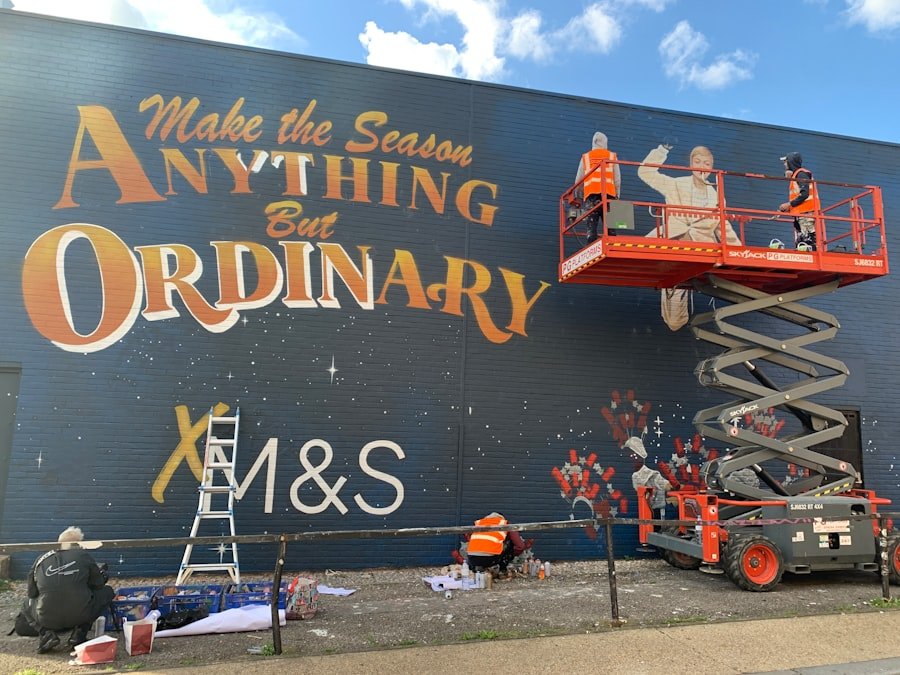
Don’t just look for pre-made designs. Consider what truly reflects your personality, brand, or the mood you want to create. This could be anything from a favorite quote in a bespoke font to a personal photo blown up into a mural.
- Personal Photos: Turn family portraits, travel snapshots, or even pet pictures into large-scale wall art.
- Artwork and Illustrations: Display your own creations or commission an artist to design something unique for your space.
- Patterns and Textures: Create custom geometric patterns, abstract designs, or faux textures like brick, wood, or marble.
- Quotes and Typography: Feature inspirational quotes, song lyrics, or important dates in stylish fonts.
File Preparation for Best Results
For custom printing, the quality of your source file is paramount. A high-resolution image will result in a crisp, clear cling, while a low-resolution image will look pixelated when enlarged.
- Resolution: Aim for at least 300 DPI (dots per inch) at the final print size. If you’re unsure, most reputable print services can advise you on whether your file is suitable.
- File Format: Common formats like JPEG, PNG, TIFF, and PDF are usually accepted. Vector files (AI, EPS, SVG) are ideal for logos, text, and sharp graphics as they can be scaled infinitely without loss of quality.
- Color Profile: Use CMYK for print projects, as this is the color model printers use. RGB is for digital displays and colors can shift when converted.
Measuring Accurately
Before you design or order, measure your space carefully. Don’t just eyeball it. Use a tape measure and account for any obstructions like windows, doors, or furniture.
- Double-Check Measurements: Measure both the height and width of the area you intend to cover multiple times.
- Account for Overlap: If you’re ordering multiple panels for a large mural, discuss overlap requirements with your printer. This ensures seamless alignment.
- Consider Border Area: Decide if you want the cling to go edge-to-edge or if you want a border of wall showing.
Installation Tips for a Smooth Finish
While wall clings are relatively easy to install, a little preparation and technique can make a big difference in achieving a professional-looking result. Rushing the process can lead to bubbles or crooked application.
Wall Preparation is Key
A clean, smooth surface is essential for proper adhesion and a blemish-free appearance. Wall clings don’t adhere well to dirty, dusty, or textured surfaces.
- Clean the Wall: Wipe down the area with a damp cloth and mild soap (if necessary). Let it dry completely before application.
- Smooth Surface: Clings work best on smooth, painted walls. If your walls have a heavy texture, they might not adhere properly or could show bumps underneath.
- Fresh Paint: If you’ve recently painted, wait at least 3-4 weeks for the paint to fully cure. Applying clings to uncured paint can cause issues with adhesion and even damage the paint when removed.
Enlist a Helping Hand (for larger clings)
While smaller clings can often be applied by one person, larger designs, especially full wall murals, are much easier with two people. An extra set of hands can help hold the cling, prevent it from sticking to itself, and guide it into place.
The Peel and Stick Method
This is the standard approach for most wall cling installations. Take your time and work slowly.
- Layout and Position: Lightly mark your wall with a pencil to indicate where the top edge or corners of your cling will go. Use a level to ensure it’s straight.
- Peel Back a Section: Start by peeling back only the top few inches of the backing paper. Fold the backing paper down, creating a crisp edge.
- Align and Apply: Carefully align the exposed adhesive portion of the cling with your pencil marks. Press it firmly to the wall, starting from the center and working outwards.
- Slowly Peel and Smooth: As you slowly peel more of the backing paper downwards, continue to smooth the cling onto the wall with a squeegee or a soft, clean cloth. Work from the center outwards to push out any air bubbles.
- Address Air Bubbles: If you notice bubbles, gently lift the cling near the bubble and reapply it, pushing the air out. For stubborn small bubbles, you can carefully prick them with a fine needle and then smooth them down.
Trimming and Finishing Touches
Once applied, you might need to trim any excess material, especially if your cling goes edge to edge.
- Sharp Blade: Use a sharp utility knife or craft blade for clean cuts.
- Straight Edge: A metal ruler or straight edge will help you achieve perfectly straight lines when trimming.
- Patience: Take your time with trimming, as a steady hand will prevent accidental damage to your new wall art.
If you’re looking to enhance your living space with unique decor, custom wall clings can be a fantastic option. These versatile designs allow you to express your personality and style without the commitment of traditional wallpaper. For more insights on how to effectively use wall clings in your home, check out this informative article on creative wall decor ideas. With the right approach, you can transform any room into a personalized haven.
Maintaining and Removing Your Clings
| Size | Material | Price | Quantity |
|---|---|---|---|
| 24″x24″ | Vinyl | 15.99 | 100 |
| 36″x36″ | Fabric | 25.99 | 50 |
| 48″x48″ | Vinyl | 35.99 | 25 |
One of the great advantages of wall clings is their low maintenance and easy removal. Knowing how to care for them will ensure they look good for as long as you want them up.
Keeping Them Clean
Wall clings are generally durable and easy to clean.
- Gentle Cleaning: For most marks or dust, a soft, damp cloth is usually sufficient. Avoid harsh chemicals or abrasive cleaners, as these can damage the print or even affect the adhesive.
- Spot Cleaning: For specific spots, a tiny amount of mild, soapy water applied with a cloth should do the trick, followed by wiping with clean water and drying.
When It’s Time for a Change
Removing wall clings is typically straightforward and residue-free, provided you’ve applied them to a suitable, properly prepared surface.
- Peel Slowly: Start at an edge or corner and gently peel the cling away from the wall at a 45-degree angle. Don’t yank it off quickly.
- Warmth (Optional): If a cling has been up for a very long time or the adhesive feels particularly strong, you can gently warm it with a hairdryer on a low setting. This can soften the adhesive, making removal even easier.
- No Residue: High-quality wall clings are designed to leave no sticky residue behind, meaning your wall will be ready for its next transformation.
Storing for Future Use
Many wall clings are designed to be reapplied. If you plan to store and reuse them, proper care is important.
- Keep the Backing Paper: If possible, save the original backing paper the cling came on. This is the best surface to reapply it to for storage.
- Roll, Don’t Fold: Gently roll the cling with the image side facing out (or inward, depending on the material and your printer’s recommendation) to prevent creasing.
- Protect from Dust and Heat: Store the rolled cling in a tube or a protective sleeve in a cool, dry place away from direct sunlight and extreme temperatures.