


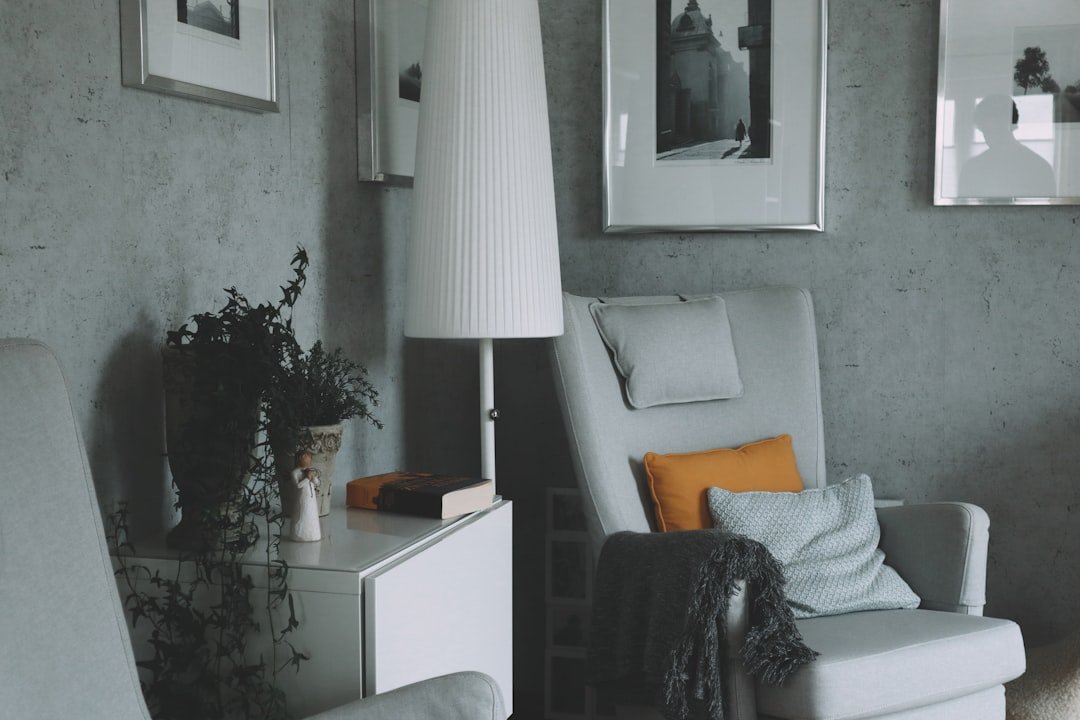
The living room typically serves as a central gathering point within a home, making its aesthetic appeal and overall ambiance significant. Traditional wall treatments, such as paint or wallpaper, offer a foundational approach to design. However, the introduction of 3D wall elements provides an alternative that can add depth, texture, and visual interest, moving beyond a purely two-dimensional surface. This article will explore various aspects of integrating 3D wall designs into a living room, discussing different material options, design considerations, and practical implications.
3D wall design involves the application of materials that protrude from the wall surface, creating a three-dimensional effect. Unlike flat décor, these designs interact with light and shadow, producing dynamic visual variations throughout the day. This approach offers a departure from conventional flat surfaces, aiming to enhance the tactile and visual experience of a room.
Material Variety for 3D Wall Elements
A range of materials is available for creating 3D wall designs, each offering distinct aesthetic and practical characteristics. The choice of material often impacts the final look, durability, and installation process.
Gypsum and Plaster Panels
Gypsum and plaster are commonly used for creating decorative wall panels due to their malleability and ease of shaping. These panels can be molded into various patterns, from subtle waves to intricate geometric designs. Once installed, they can be painted to match or complement the room’s color scheme, offering a seamless integration with the existing décor. Their primary advantage lies in their versatility and paintability, allowing for custom finishes. However, they can be somewhat fragile before installation and require careful handling.
PVC and Plastic Panels
PVC (polyvinyl chloride) and other plastic composites offer a lightweight and often more affordable alternative. These panels are typically pre-finished, available in various colors and textures, some mimicking natural materials like wood or stone. Their waterproof properties make them suitable for certain applications, though their use in living rooms is primarily for aesthetic reasons. Installation is generally simpler, often involving adhesive or interlocking systems. Durability can vary depending on the specific plastic type and manufacturing quality.
Wood and MDF Panels
Wood and medium-density fiberboard (MDF) panels provide a natural and often warmer aesthetic. Wood panels can be carved, routed, or arranged in geometric patterns, showcasing the natural grain and texture. MDF offers a more stable and cost-effective base for intricate designs that can be painted or laminated. Both materials contribute to a sophisticated look, especially when stained or varnished to highlight their natural beauty. Considerations for wood include potential expansion and contraction with humidity changes, while MDF is prone to moisture damage if not properly sealed.
Metal and Composite Materials
For a more contemporary or industrial look, metal panels (such as aluminum or steel) can be used. These can be perforated, etched, or bent to create unique 3D effects. Composite materials, which blend various substances, also offer innovative textural options and can be engineered for specific aesthetic or performance requirements. These materials tend to be more durable and can be striking design elements, though they may incur higher costs.
Fabric and Upholstered Panels
While less common for direct 3D structural effects, upholstered panels can create a soft, tactile 3D experience. These panels typically use foam or padding beneath fabric to create a raised, cushioned surface. They can provide acoustic benefits by absorbing sound and add a layer of warmth and luxury to a living room. The range of fabrics allows for extensive customization in terms of color, pattern, and texture.
For those interested in enhancing their living room aesthetics, exploring innovative 3D wall design ideas can be a game changer. A related article that delves into various creative approaches to 3D wall decor can be found at Wallstickr, where you can discover tips and inspiration to transform your space into a visually stunning environment.
Strategic Placement and Application
The effective integration of 3D wall designs extends beyond material selection; it encompasses thoughtful placement and application within the living room space. Rather than covering every wall, selective application often yields a more impactful and sophisticated result.
Creating a Feature Wall
One common approach is to designate a single wall as a focal point using 3D elements. This feature wall can draw attention to a specific area, such as behind the sofa, around a fireplace, or beneath a television. The texture and depth of the 3D design can transform an otherwise plain wall into a significant design statement, anchoring the room visually. The choice of pattern – from repeating geometric shapes to organic flowing lines – can influence the perceived mood and style of the space. For instance, sharp angles might convey a modern, minimalist feel, while softer curves could create a more serene atmosphere.
Enhancing Architectural Features
3D wall elements can be used to accentuate existing architectural features or to introduce new ones. For example, a recessed niche can be lined with 3D panels to give it more depth and interest, or a plain pillar can be adorned with textured surfaces to make it a deliberate design element rather than just a structural necessity. This approach leverages the three-dimensionality to highlight unique characteristics of the room.
Integrating with Lighting
Lighting plays a crucial role in maximizing the visual impact of 3D wall designs. Recessed lighting, sconces, or LED strips can be strategically positioned to graze the textured surface, casting shadows that emphasize the contours and patterns. Uplighting or downlighting can create dramatic effects, making the wall appear to change throughout the day as natural light shifts. Experiments with different light temperatures (warm or cool) can also alter the perceived color and depth of the 3D surface. Consideration of how light interacts with the chosen material and pattern is essential for achieving the desired visual outcome.
Combining with Other Wall Treatments
3D wall designs do not need to stand alone. They can be effectively combined with other wall treatments to create a layered and dynamic look. For instance, a 3D panel can be framed by a contrasting color of paint, or a section of 3D wallpaper can be bordered by a different texture. This layered approach adds complexity and visual richness, preventing the room from feeling monolithic or one-dimensional. Careful planning is required to ensure that different treatments complement rather than clash with each other.
Design Considerations and Aesthetic Impact
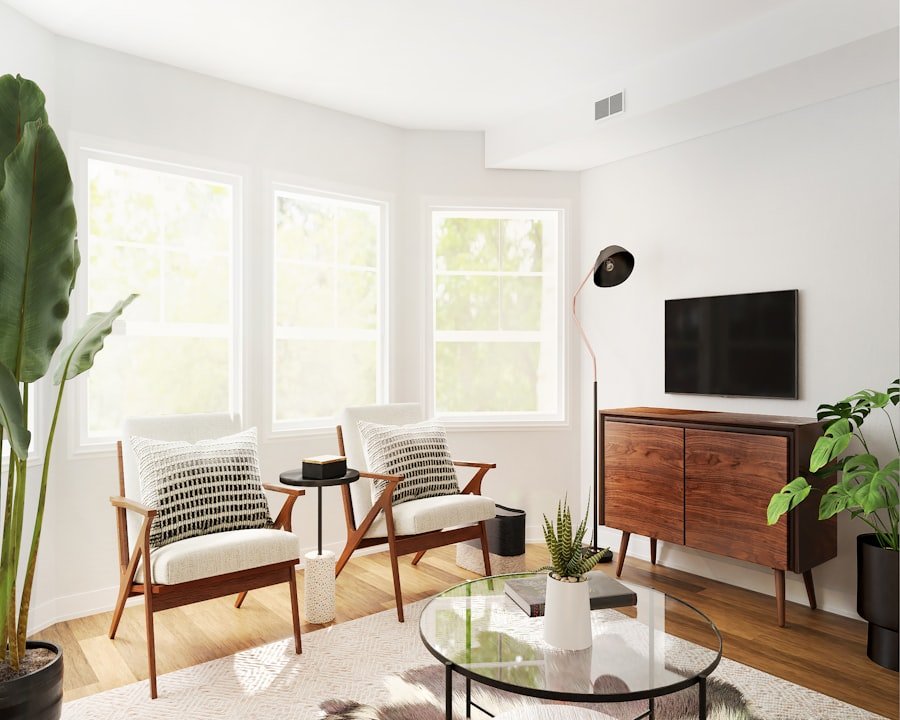
The selection and implementation of 3D wall designs necessitate careful consideration of various design principles to ensure a cohesive and aesthetically pleasing outcome in the living room.
Scale and Proportion
The scale of the 3D pattern should be proportionate to the size of the living room and the wall it adorns. In a smaller room, overly large or busy patterns can be overwhelming, making the space feel cramped. Conversely, very subtle textures might get lost in a large, expansive room. Maintaining a balance ensures that the design enhances rather than detracts from the room’s overall harmony. The proportion of the 3D element relative to other furniture and décor items should also be considered to prevent visual imbalance.
Color and Finish
The color and finish of the 3D panels are pivotal to their aesthetic impact. While many panels come in neutral tones, they can often be painted to match the room’s color scheme or to provide a contrasting accent. A matte finish will absorb light, creating softer shadows and a more subdued effect, while a glossy finish will reflect light, producing sharper contrasts and a more vibrant appearance. Metallic finishes can add a touch of glamour and sophistication. The chosen color and finish should align with the desired mood and existing palette of the living room.
Pattern and Texture
The range of patterns available for 3D wall designs is extensive, from geometric grids and abstract waves to organic floral motifs and brick or stone imitations. The chosen pattern dictates the texture and visual flow of the wall. Geometric patterns often lend themselves to modern and minimalist interiors, providing a sense of order and repetition. Organic patterns, on the other hand, can introduce a softer, more naturalistic feel. The texture of the material itself also contributes to the tactile experience, encouraging interaction and adding sensory depth to the room.
Style Compatibility
It is important that the 3D wall design complements the existing or intended style of the living room. A highly ornate classical pattern might clash with a contemporary minimalist interior, just as an industrial metal panel might feel out of place in a rustic-themed room. The design should integrate seamlessly with the furniture, textiles, and other decorative elements to create a unified aesthetic. This requires an understanding of various interior design styles and how the chosen 3D elements contribute to or deviate from these styles.
Practical Aspects and Maintenance
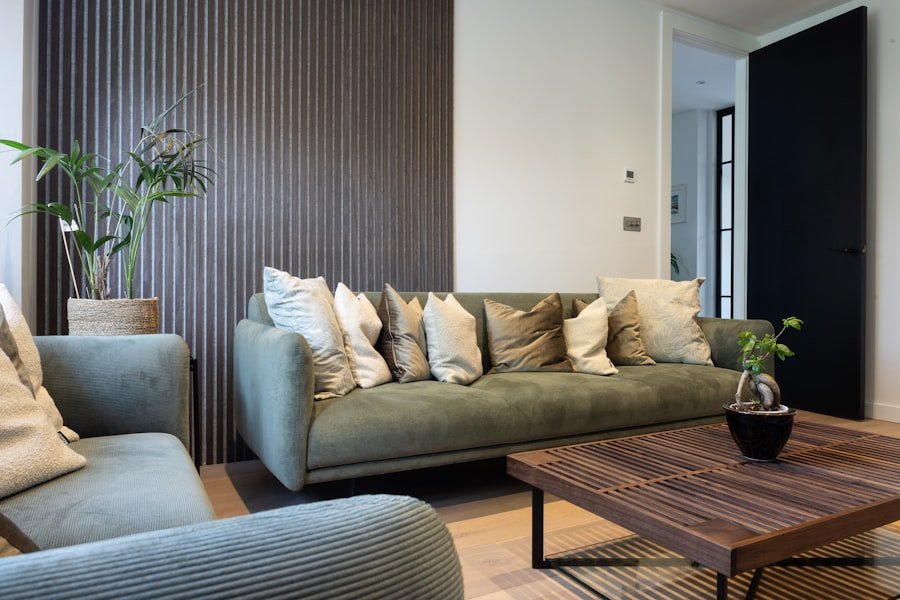
Beyond aesthetics, there are practical considerations regarding the installation, durability, and maintenance of 3D wall designs. These factors contribute to the long-term satisfaction and functionality of the chosen wall treatment.
Installation Process
The installation difficulty varies significantly based on the material and specific product. Some 3D panels, such as those made from lightweight PVC, can be relatively easy for a DIY enthusiast to install using adhesive or interlocking mechanisms. Others, like gypsum or elaborate wooden panels, might require professional installation due to their weight, fragility, or the need for precise alignment and finishing. Ensuring proper surface preparation, including cleaning and leveling, is crucial for a smooth and durable application regardless of the material. Specialized tools may be required for cutting and fitting certain types of panels.
Durability and Longevity
The durability of 3D wall designs is largely dependent on the material. Materials like metal or certain plastics are highly durable and resistant to impact, while gypsum or plaster panels may be more susceptible to chips or cracks if not properly protected. Environmental factors such as humidity and temperature fluctuations can also affect certain materials, particularly wood, which may expand or contract. Manufacturers typically provide guidelines on the expected lifespan and resistance to common wear and tear. Considering the living room’s usage patterns, such as the presence of children or pets, can influence the choice of a more robust material.
Maintenance and Cleaning
Maintaining the aesthetic appeal of 3D wall designs involves regular cleaning and occasional repairs. The textured surfaces can sometimes accumulate dust more readily than flat walls, requiring periodic dusting with a soft brush or vacuum cleaner. For washable materials like PVC or painted gypsum, a damp cloth with mild soap can be used for spot cleaning. Materials like wood may require specific cleaning agents to preserve their finish. Damage, such as chips or scratches, can often be repaired, for instance, by patching and repainting gypsum panels, or by using wood putty and refinishing wood. Understanding the maintenance requirements before installation can prevent future issues and help preserve the design’s integrity.
Cost Implications
The cost of 3D wall designs varies significantly based on material, complexity of the pattern, and whether professional installation is required. Basic PVC panels might be relatively inexpensive, while custom-designed wooden panels or intricate metal installations can represent a substantial investment. Labor costs for professional installation can often exceed the material cost, particularly for complex designs or materials that require specialized skills. Budget planning should encompass not only the material expenses but also potential installation fees and any necessary tools or preparatory work. Comparing different options rigorously, considering both immediate costs and long-term durability, is advised.
If you’re looking to elevate your interior decor, exploring innovative ideas for 3D living room wall design can be a game-changer. One inspiring resource is an article that showcases various creative approaches to transforming your walls into stunning focal points. By incorporating elements like textured panels or unique wall art, you can create a dynamic atmosphere that reflects your personal style. For more ideas and inspiration, check out this helpful link that offers a plethora of options to enhance your living space.
Enhancing Well-being and Functionality
Beyond their visual appeal, 3D wall designs can contribute to the overall comfort and practical functionality of a living room, influencing elements like acoustics and perceived space.
Acoustic Benefits
Certain 3D wall materials, particularly those made from softer or porous materials like fabric-covered panels, can offer acoustic benefits. The varied surfaces and material properties can help absorb sound waves, reducing reverberation and echo within the room. This can lead to a more comfortable auditory environment, especially in open-plan living spaces or rooms with hard surfaces that tend to reflect sound. While some 3D panels are specifically designed for acoustic performance, even general textured surfaces can contribute to a subtle improvement in sound management.
Light Diffusion
The textured surface of a 3D wall can also play a role in how light is diffused throughout the room. Rather than a flat reflection, light interacting with a 3D surface will scatter more broadly, potentially reducing glare and creating a softer, more ambient illumination. This effect can contribute to a more calming and inviting atmosphere, particularly in rooms with strong natural light or focused artificial lighting. The way light plays off the contours can also add a sense of movement and dynamism to the space.
Creating Illusions of Space
Strategic patterns and colors within a 3D wall design can influence the perceived size and shape of a living room. For example, vertical patterns can draw the eye upwards, making a ceiling appear higher, while horizontal patterns can make a wall seem wider. Light-colored 3D panels can make a room feel more open and spacious, reflecting more light, whereas darker or heavily textured panels might make a large room feel cozier and more enclosed. This manipulation of visual perception offers an additional tool for interior designers to tailor the room’s feel.
Personal Expression
Ultimately, 3D wall designs provide an avenue for personal expression within the living room. They offer homeowners the opportunity to infuse their personal style and aesthetic preferences into a significant part of their home. From bold, avant-garde patterns to subtle, understated textures, these designs can reflect individual tastes and contribute to a truly unique and personalized living environment. This personalization is a key aspect of transforming a house into a home, making the living room a space that resonates with its occupants.
FAQs
What is 3D living room wall design?
3D living room wall design refers to the use of three-dimensional elements, such as textured panels, geometric patterns, or sculptural features, to enhance the visual appeal of a living room wall.
What are the benefits of 3D living room wall design?
Some benefits of 3D living room wall design include adding depth and visual interest to the space, creating a focal point in the room, and allowing for creative expression and customization.
How can 3D living room wall design be implemented?
3D living room wall design can be implemented using various materials such as wood, gypsum, or PVC panels. These materials can be installed directly onto the wall or used to create modular panels that can be arranged in different configurations.
What are some popular 3D living room wall design ideas?
Popular 3D living room wall design ideas include using geometric patterns to create a modern and sleek look, incorporating natural materials like wood for a warm and rustic feel, or using sculptural elements to add a touch of artistic flair to the space.
Are there any considerations to keep in mind when implementing 3D living room wall design?
When implementing 3D living room wall design, it’s important to consider the overall aesthetic of the room, the scale of the 3D elements, and the impact on the room’s lighting and acoustics. Additionally, it’s important to ensure that the chosen design complements the existing decor and furnishings in the living room.