


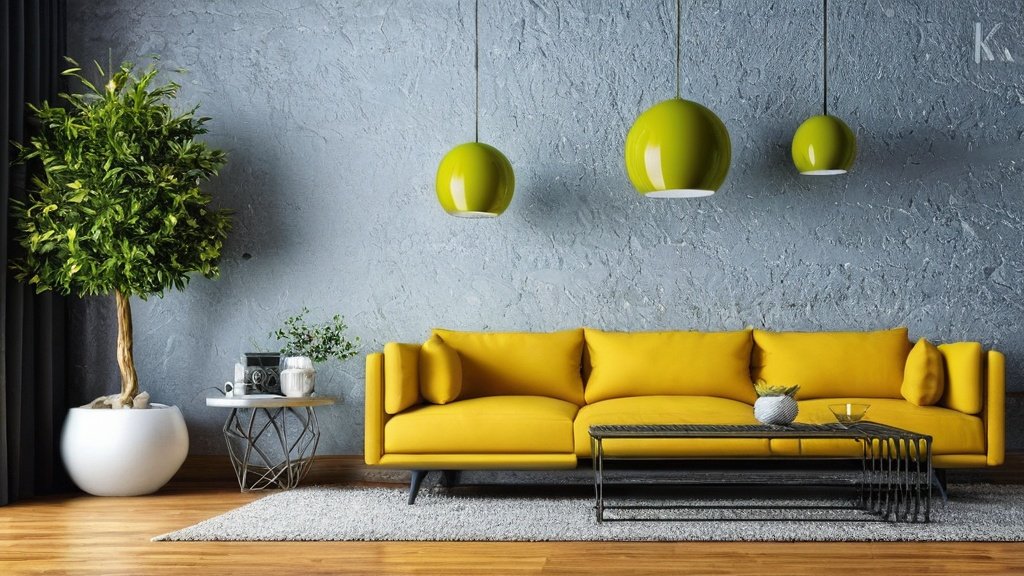
The aesthetic appeal of interior spaces significantly influences the overall atmosphere and the experience of those who inhabit them. While traditional two-dimensional applications like paint and wallpaper have long been staples in design, the emergence of 3D wall decorations offers a more dynamic and tactile approach to transforming a room. These three-dimensional elements provide depth, texture, and visual interest that conventional methods often cannot achieve, making them a contemporary choice for enhancing diverse environments, from residential dwellings to commercial establishments.
The fundamental principle behind 3D wall decor lies in its ability to introduce an extra dimension to a flat surface. This departure from two-dimensionality creates an optical illusion of depth, bringing walls to life and making them pivotal design features rather than mere backdrops. The interaction of light and shadow on these textured surfaces further accentuates their three-dimensional qualities, adding a subtle play of light that changes throughout the day.
Beyond Flat Surfaces: The Visual Transformation
Traditional wall treatments, even with intricate patterns, remain on a single plane. 3D decorations, however, break this barrier, allowing elements to project outwards or recede inwards. This physical alteration of the wall plane can dramatically alter the perceived size and scale of a room. A small space can feel more expansive with strategic use of receding patterns, while a large, austere room can gain intimacy and warmth from protruding textures. The tactile nature of these decorations also invites interaction, encouraging touch and a deeper engagement with the environment.
The Power of Light and Shadow
Perhaps one of the most compelling aspects of 3D wall decor is its symbiotic relationship with light. As light strikes the raised or recessed surfaces, it creates natural shadows that emphasize the contours and depth of the design. This interplay of light and shadow is not static; it evolves with the changing ambient light conditions. During the day, natural sunlight casts dynamic shadows that shift with the sun’s trajectory, while artificial lighting in the evening can be strategically positioned to highlight specific features, creating dramatic effects and setting different moods within the same space.
If you’re looking to enhance your home with stunning wall decorations, consider exploring the fascinating world of 3D wall art. For a comprehensive guide on selecting the perfect size for your wall decor, check out this informative article on wall decoration size charts. It provides valuable insights that can help you choose the right dimensions for your 3D pieces, ensuring they complement your space beautifully. You can read more about it here: Wall Decoration Size Chart.
Diverse Applications Across Various Spaces
The versatility of 3D wall decorations allows them to be incorporated into a wide array of settings, each benefiting from their unique aesthetic and functional qualities. From the intimate corners of a home to the bustling environment of a school, these elements can be tailored to suit specific needs and design objectives.
Elevating Residential Interiors
In a home, 3D wall decor can serve multiple purposes, ranging from creating a dramatic focal point to adding subtle textural interest. The choice of design often reflects the homeowner’s personal style and the intended use of the room.
3D Living Room Wall Design: Creating a Focal Point
The living room is often the central gathering space in a home, making it an ideal candidate for impactful 3D wall design. A feature wall behind the sofa or media console, adorned with a geometric 3D panel, a nature-inspired sculpture, or an abstract relief, can instantly become the room’s highlight. Materials like wood, plaster, metal, or even specialized composite panels can be used to create these captivating focal points. The design chosen can range from minimalist undulating waves to intricate patterns that evoke natural elements or architectural details.
3D Bedroom Wall Design: Enhancing Serenity and Style
Bedrooms traditionally prioritize comfort and tranquility. 3D wall decor in this space can contribute to a serene atmosphere while adding a touch of sophisticated personal style. Soft, organic patterns, subtle textures, or even padded 3D panels can introduce a sense of calm and luxury. Behind the headboard, a 3D design can act as a prominent design element, eliminating the need for extensive additional artwork. Floral motifs, abstract patterns that mimic fabric folds, or subtle geometric repeats can all contribute to a restful yet stylish bedroom environment.
3D Kitchen Wall Design: Blending Functionality with Aesthetics
While practicality often dictates kitchen design, 3D elements can be introduced to enhance its aesthetic appeal without compromising functionality. Backsplashes are prime areas for experimenting with 3D tiles, whether ceramic, metallic, or glass, which can add texture and visual interest. Beyond the backsplash, certain walls can feature larger 3D panels that complement the kitchen’s overall theme, perhaps mimicking brickwork, concrete, or abstract culinary-inspired shapes. The key in the kitchen is to select materials that are both visually appealing and easy to clean and maintain, resisting moisture and grease.
Engaging Commercial and Institutional Environments
Beyond the home, 3D wall decorations offer significant advantages for commercial and institutional spaces, influencing brand perception, atmosphere, and even user experience.
3D School Wall Decoration: Cultivating Creative and Engaging Spaces
Schools are environments where visual stimulation can play a crucial role in learning and engagement. 3D wall decorations in classrooms, hallways, or common areas can transform sterile environments into dynamic, inspiring spaces. Educational themes, abstract art that encourages imagination, or even interactive 3D elements can be incorporated. For instance, a 3D map, a relief sculpture of historical figures, or tactile panels designed for younger students can make learning more experiential and enjoyable. The use of vibrant colors and durable materials is particularly important in a school setting to withstand daily wear and tear.
Materiality and Design Considerations
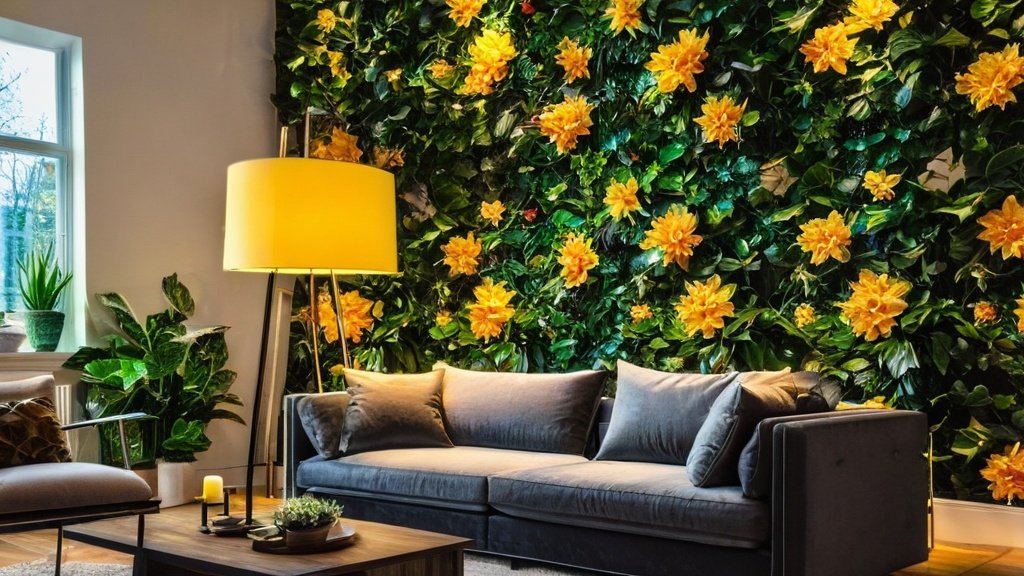
The effectiveness and longevity of 3D wall decor are heavily dependent on the materials chosen and the thoughtfulness of the design process. A wide array of materials is available, each offering distinct characteristics in terms of aesthetics, durability, and installation.
Popular Materials and Their Characteristics
The selection of material is paramount, as it dictates the texture, finish, and overall visual impact of the 3D design.
PVC and Composite Panels: Versatile and Lightweight Options
PVC (Polyvinyl Chloride) panels and various composite materials are popular choices due to their lightweight nature, ease of installation, and affordability. They often come in pre-fabricated tiles or sheets with a variety of embossed or molded patterns, including geometric shapes, wave patterns, and faux brick or wood textures. These materials are resistant to moisture and relatively easy to clean, making them suitable for areas like bathrooms and kitchens. Their ease of customization, often allowing for painting, further enhances their versatility.
Wood and Metal: Natural Warmth and Industrial Edge
For a more natural or industrial aesthetic, wood and metal are excellent choices. Wood 3D panels can introduce warmth, organic texture, and a sense of craftsmanship. They can be carved, routed, or assembled from individual pieces to create intricate patterns. Metal panels, whether embossed, laser-cut, or fabricated into three-dimensional forms, offer a sleek, modern, or industrial look. They can be left in their natural finish for a raw aesthetic or coated to achieve specific colors and effects. Both wood and metal require more specialized installation and can be heavier than composite alternatives.
Plaster and Gypsum: Sculptural and Classic Finishes
Plaster and gypsum are traditional materials that can be sculpted and molded into elaborate 3D designs. They offer a refined, classical aesthetic and can create seamless, custom installations. Often used for relief panels, intricate cornices, or custom wall sculptures, these materials provide a smooth, paintable surface that integrates well with traditional and contemporary designs. Their primary drawback might be their fragility and potentially more complex installation process.
Installation Methods and Planning
Effective planning is crucial for a successful 3D wall decor installation. Considerations include the wall’s condition, the weight of the chosen material, and the desired visual outcome.
Adhesion and Mechanical Fasteners
Most lightweight 3D panels, such as those made from PVC or composite materials, can be installed using strong construction adhesives. For heavier materials like wood, metal, or plaster, mechanical fasteners such as screws or mounting brackets are often necessary to ensure secure attachment. Proper surface preparation, including cleaning and leveling the wall, is essential for any installation method.
Professional Installation vs. DIY
While some 3D wall decor products are designed for DIY enthusiasts, particularly peel-and-stick decals or lightweight panels, more complex designs or heavier materials often benefit from professional installation. Professionals can ensure precise alignment, secure attachment, and a seamless finish, especially for large-scale projects or intricate patterns that require specific cutting and fitting techniques. Consulting with a professional can also help in choosing the most appropriate material and design for a given space and budget.
Maximizing Impact with 3D Wall Decals and Stickers
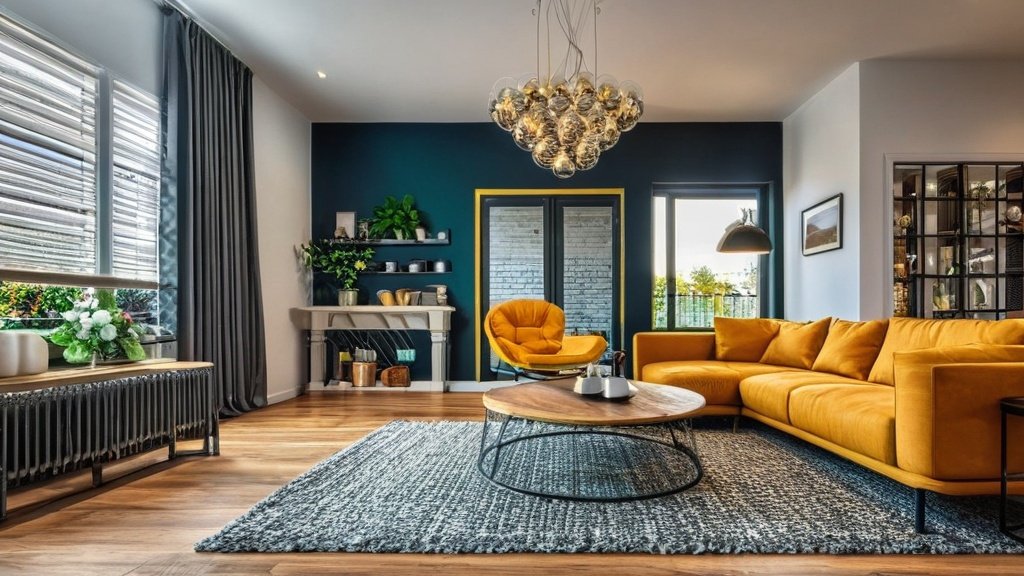
In addition to permanent 3D wall panels and sculptures, 3D wall decals and stickers offer a more temporary, flexible, and often more budget-friendly approach to introducing a three-dimensional effect. While they don’t offer true physical depth, clever design can create a compelling illusion.
The Illusion of Depth: 3D Wall Decals and Stickers
3D wall decals and stickers leverage advanced printing techniques and optical effects to create the impression of depth and three-dimensionality on a flat surface. These are particularly useful for renters, or for those who wish to frequently update their decor without permanent alterations.
3D Wall Decal: Artistic and Thematic Elements
A 3D wall decal typically refers to a large sticker designed to create a specific scene or artistic element with a perception of depth. These can range from murals depicting landscapes with vanishing points to abstract designs that appear to recede or project from the wall. They often utilize trompe l’oeil techniques to trick the eye into perceiving depth where none physically exists. The variety of themes is extensive, catering to diverse tastes and room functions.
3D Kids Room Wall Decal: Fostering Imagination
In a child’s room, 3D wall decals are an excellent way to introduce whimsical, imaginative, and educational elements. Decals featuring cartoon characters that seem to emerge from the wall, celestial bodies that appear far away, or fantastical creatures that add a sense of adventure can spark a child’s imagination. These are often easy to apply and remove, allowing for changes as the child grows and their interests evolve. Safety is a key consideration, ensuring decals are made from non-toxic materials.
If you’re looking to enhance your living space with unique designs, exploring the world of wall decoration can be quite inspiring. One innovative approach is 3D wall decor, which adds depth and texture to any room. For more ideas and inspiration on how to transform your walls, you can check out this interesting article on wall decoration. It offers a variety of creative suggestions that can help you choose the perfect style for your home.
Conclusion
3D wall decorations represent a significant evolution in interior design, providing designers and homeowners with innovative tools to create spaces that are visually rich, texturally engaging, and dynamically responsive to light. From the tactile elegance of sculpted panels to the playful illusion of 3D decals, these elements offer unparalleled opportunities to personalize and enhance any environment. By carefully considering materials, design, and installation, one can transform an ordinary wall into an extraordinary feature, imbuing a space with depth, character, and a sophisticated aesthetic appeal that transcends traditional two-dimensional boundaries. The thoughtful integration of 3D wall decor moves beyond mere ornamentation, becoming an integral part of shaping the perceived reality and emotional resonance of an interior space.
FAQs
What is 3D wall decoration?
3D wall decoration refers to the use of three-dimensional elements to enhance the visual appeal of a wall. This can include textured wall panels, sculptural wall art, or other three-dimensional designs that add depth and interest to a space.
What materials are commonly used for 3D wall decoration?
Common materials used for 3D wall decoration include wood, metal, plastic, and composite materials. These materials can be used to create a variety of textures and designs, allowing for a wide range of creative possibilities.
How can 3D wall decoration enhance a space?
3D wall decoration can enhance a space by adding visual interest, texture, and depth to a wall. It can also create a focal point in a room, and can be used to complement the overall design aesthetic of a space.
Are 3D wall decorations easy to install?
The ease of installation for 3D wall decorations can vary depending on the specific product and the skill level of the installer. Some 3D wall decorations may require professional installation, while others can be easily installed by homeowners with basic tools and DIY skills.
Where can I find 3D wall decorations for purchase?
3D wall decorations can be found for purchase at home improvement stores, specialty decor shops, and online retailers. There are also many companies that specialize in creating custom 3D wall decorations for specific design needs.