


Enhance Your School with 3D Wall Decor
The modern educational landscape demands more than just intellectual stimulation. Creating an environment that fosters engagement, ignites curiosity, and contributes to the overall well-being of students is paramount. While curriculum and teaching methods are the core of learning, the physical space in which it occurs plays a significant, often underestimated, role. Three-dimensional (3D) wall decor offers a unique and impactful approach to transforming sterile school interiors into dynamic and inspiring settings. This article explores the multifaceted benefits and practical considerations of implementing 3D wall decorations within educational institutions, from early learning centers to higher education facilities.
The traditional perception of school walls often conjures images of blank, uninspired surfaces adorned with posters or bulletin boards. While functional, these elements rarely contribute to a truly immersive or stimulating learning experience. 3D wall decor, however, introduces depth, texture, and visual interest, breaking free from the limitations of two-dimensional representations. It has the potential to redefine how students perceive and interact with their surroundings, turning hallways into immersive journeys, classrooms into thematic learning hubs, and common areas into vibrant social spaces.
The implementation of 3D wall decor is not merely an aesthetic choice; it is a strategic investment in the educational environment. Research consistently highlights the link between the physical environment and learning outcomes. A thoughtfully designed space can reduce anxiety, enhance focus, promote collaboration, and encourage a sense of belonging. 3D wall decor, by its very nature, draws attention, sparks conversation, and can serve as a powerful pedagogical tool. It can make abstract concepts tangible, bring historical events to life, or introduce students to the wonders of the natural world in a way that flat images simply cannot achieve.
Furthermore, the advent of advanced printing technologies and materials has made 3D wall decor more accessible, durable, and versatile than ever before. From intricate sculptured pieces to large-scale photographic murals with added layers, the possibilities are vast and cater to a range of budgets and design preferences. This makes it a viable option for schools looking to undertake significant renovations or for those seeking more localized, impactful upgrades.
The following sections will delve into specific areas where 3D wall decor can make a substantial difference, explore the diverse types of applications, and discuss the practical aspects of choosing and implementing these enhancements.
Classrooms are the focal points of educational institutions, and their design has a direct impact on student engagement and learning. Traditional classrooms often lack dynamic visual elements, leading to a passive learning experience. Introducing 3D wall decor can fundamentally alter this dynamic, transforming them into more interactive and stimulating environments. The goal is to move beyond simply decorating walls to actively using them as extensions of the learning process.
Subject-Specific Thematic Walls
Thematic walls are a powerful way to immerse students in specific subjects, making learning more engaging and memorable. 3D elements can elevate these themes from two-dimensional representations to palpable experiences.
Science and Nature Immersion
Imagine a biology classroom adorned with a 3D depiction of a cell, with its organelles raised and textured, allowing students to physically trace its components. Or a geography classroom featuring a raised relief map of the world, highlighting topographical features and geographical data in a tangible way. This approach allows for tactile learning, where students can touch, feel, and explore concepts that might otherwise remain abstract.
- Under the Sea Exploration: Walls could feature sculpted coral reefs with vibrant, textured sea creatures. Schools can incorporate interactive elements where pressing a specific fish might trigger an audio fact or a small LED light. For younger students, a 3D underwater scene can ignite imagination and storytelling.
- Galactic Journeys: A science classroom could boast a galaxy mural with raised planets that have subtle textures representing their surfaces. A 3D model of the solar system suspended from the ceiling, with illuminated planets, further enhances this immersive experience. The moon’s craters could be subtly raised, and the rings of Saturn could be given a subtle shimmer.
- Anatomical Realism: For biology or health science classes, 3D models of the human body or specific organs can be integrated into wall designs. These could be stylized and artistic, or more realistic for detailed study, allowing students to visualize complex structures. The heart could be a raised, pulsating display, or the lungs could be depicted with puffed-out chambers.
Historical Epochs and Cultural Landscapes
History and social studies can come alive with 3D wall decor that transports students to different eras and locations.
- Ancient Civilizations: A history corridor could be transformed into an Egyptian tomb with hieroglyphics carved into the wall or a section of the Roman Forum with raised pillars and arches. Even simpler representations can be highly effective, such as a 3D model of a medieval castle with its battlements.
- Exploration and Discovery: Imagine a wall depicting famous explorers traversing diverse terrains, with mountains and oceans rendered in relief. This can inspire students to learn about different cultures and geographical regions. The Spanish galleon could be depicted with billowing sails emerging from the wall.
- Cultural Diversity: Bringing a global perspective into the school can be achieved through 3D murals showcasing iconic landmarks from different countries or depicting traditional art forms in relief. A Japanese torii gate or a Mayan pyramid could be rendered with an impressive sense of depth.
Interactive Learning Walls
Beyond passive observation, 3D wall decor can be designed to actively engage students in the learning process, fostering participation and reinforcing concepts.
- 3D Storytelling Walls: In early learning environments, walls can be designed as interactive dioramas where characters and elements can be rearranged or manipulated. This encourages imaginative play and language development. A Winnie the Pooh scene where kids can move Pooh Bear through the Hundred Acre Wood.
- Mathematical Concepts in Relief: Abstract mathematical concepts can be made more concrete. For instance, geometric shapes could be rendered in 3D, allowing students to explore their properties by touch. A section of a wall could feature a large-scale 3D graph or a visual representation of fractals.
- Language and Literacy Prompts: Walls can be designed with 3D letters, words, or even iconic literary characters to encourage reading and writing. A word wall where letters are protruding and can be moved or replaced.
For those interested in enhancing their educational environments, a great resource is the article on innovative 3D school wall decorations found at Wallstickr. This article explores various creative ideas and techniques for transforming ordinary classroom walls into engaging, interactive spaces that inspire students and foster a love for learning.
Elevating Common Areas and Hallways into Engaging Pathways
The transitional spaces within a school, such as hallways, common areas, and foyers, are often overlooked in terms of design. However, these areas are crucial for setting the tone of the school and can serve as powerful opportunities for reinforcing the school’s values, mission, and academic focus. 3D wall decor can transform these often-monotonous corridors into stimulating and informative pathways.
Welcoming and Informative Foyers and Entrances
The entrance to a school is the first impression it makes on students, staff, parents, and visitors. A well-designed foyer can convey the school’s identity and create a positive and inviting atmosphere.
- School Spirit and Identity: Large-scale 3D logos or mascots can be a striking addition to the entrance. These can be crafted from various materials, adding texture and visual impact. A sculpted silhouette of the school mascot.
- Information and Navigation Hubs: 3D elements can be integrated into wayfinding systems, making it easier for people to navigate the school. This could include raised building directories or directional signage that has depth and visual distinction.
- Artistic Installations: Beyond functional aspects, the foyer can house prominent 3D art pieces that reflect the school’s artistic or cultural leanings, sparking conversation and appreciation. An abstract sculpture that represents collaboration.
Dynamic and Inspirational Hallways
Hallways often serve as the primary arteries of a school, connecting different learning spaces. Transforming them with 3D elements can make the journey between classes more engaging and less monotonous.
- Thematic Hallway Journeys: Different sections of a hallway can be themed to correspond with adjacent classrooms or departments. For example, a hallway leading to the art wing could feature relief sculptures or 3D representations of artistic movements. A timeline of architectural styles could be integrated along the hallway.
- Interactive Displays: Hallways can house interactive 3D displays related to current school events, student achievements, or educational themes. This can foster a sense of community and shared purpose.
- Visual Narratives: Complex ideas or historical events can be presented as visual narratives along the walls, using layered elements and depth to create a compelling story. A 3D depiction of the lifecycle of a butterfly unfolding along a hallway.
Collaborative and Social Zones
Common areas, such as libraries, cafeterias, and student lounges, are spaces for relaxation, study, and social interaction. 3D wall decor can enhance the ambiance and functionality of these areas.
- Relaxation and Inspiration: In a library, 3D motifs related to reading and knowledge, such as open books, quill pens, or abstract representations of ideas, can create a more conducive atmosphere for study. The spines of oversized 3D books could line a wall.
- Cafeteria Engagement: Even the cafeteria can benefit from 3D elements. Murals depicting healthy food options or scenes of community can make the dining experience more pleasant. A 3D fruit tree with sculpted fruits.
- Student Lounges as Creative Hubs: Student lounges can be transformed into more inspiring spaces with 3D artwork, motivational quotes, or interactive displays that encourage creativity and collaboration. A wall with interchangeable 3D geometric shapes for students to rearrange.
Designing for Specific Age Groups and Educational Needs

The application of 3D wall decor in schools necessitates a tailored approach depending on the age and developmental stage of the students, as well as the specific learning objectives of a particular space. What might be engaging for preschoolers could be inappropriate or uninspiring for high school students.
Early Childhood Education (Preschool and Kindergarten)
For the youngest learners, 3D wall decor should prioritize sensory engagement, imaginative play, and the development of fundamental concepts.
- Tactile Exploration: Soft, rounded, and tactile 3D elements are ideal. Think of raised alphabet letters with different textures, sculpted animals that invite touch, or whimsical scenes from children’s stories. A 3D gingerbread house with edible-looking textures.
- Imaginative Play Zones: Walls can be designed as interactive backgrounds for imaginative play, such as a 3D farm, a castle, or a jungle, complete with movable elements. A forest scene with 3D trees for children to “climb” on with their hands.
- Color and Shape Recognition: Bold colors and easily recognizable 3D shapes, such as large, friendly animals or oversized building blocks, can aid in color and shape recognition. A wall of oversized, brightly colored 3D building blocks.
Elementary and Middle School
This age group benefits from decor that sparks curiosity, supports curriculum, and encourages active learning. Concepts can be presented in a more detailed and educational manner.
- Curriculum Reinforcement: 3D maps, anatomical models, or historical dioramas can make learning more concrete and memorable. A 3D model of the solar system where planets are at different heights.
- Motivational and Inspirational Themes: Walls can feature 3D quotes from influential figures, depictions of virtues, or representations of scientific discoveries, fostering aspiration and a love for learning. A 3D rendering of a lightbulb illuminating an idea.
- Interactive Learning Stations: Incorporate 3D elements that can be manipulated or used for interactive learning games, such as magnetic boards with 3D letters or puzzles. A large 3D maze on a classroom wall.
High School and Beyond
For older students, 3D wall decor can focus on more sophisticated themes, inspire critical thinking, and contribute to a more mature and professional learning environment.
- Abstract Concepts and Art: Sophisticated 3D art installations can stimulate aesthetic appreciation and encourage critical thinking about form and meaning. Abstract sculptures representing complex scientific theories.
- Career Exploration and Pathways: Walls can depict career fields, historical milestones in various professions, or inspirational figures relevant to future studies. A 3D representation of a DNA helix for biology students.
- Professional Development and Research: In specialized areas like science labs or art studios, 3D models of complex equipment, historical artworks in relief, or representations of research methodologies can enhance understanding and foster innovation.
Practical Considerations for Implementation
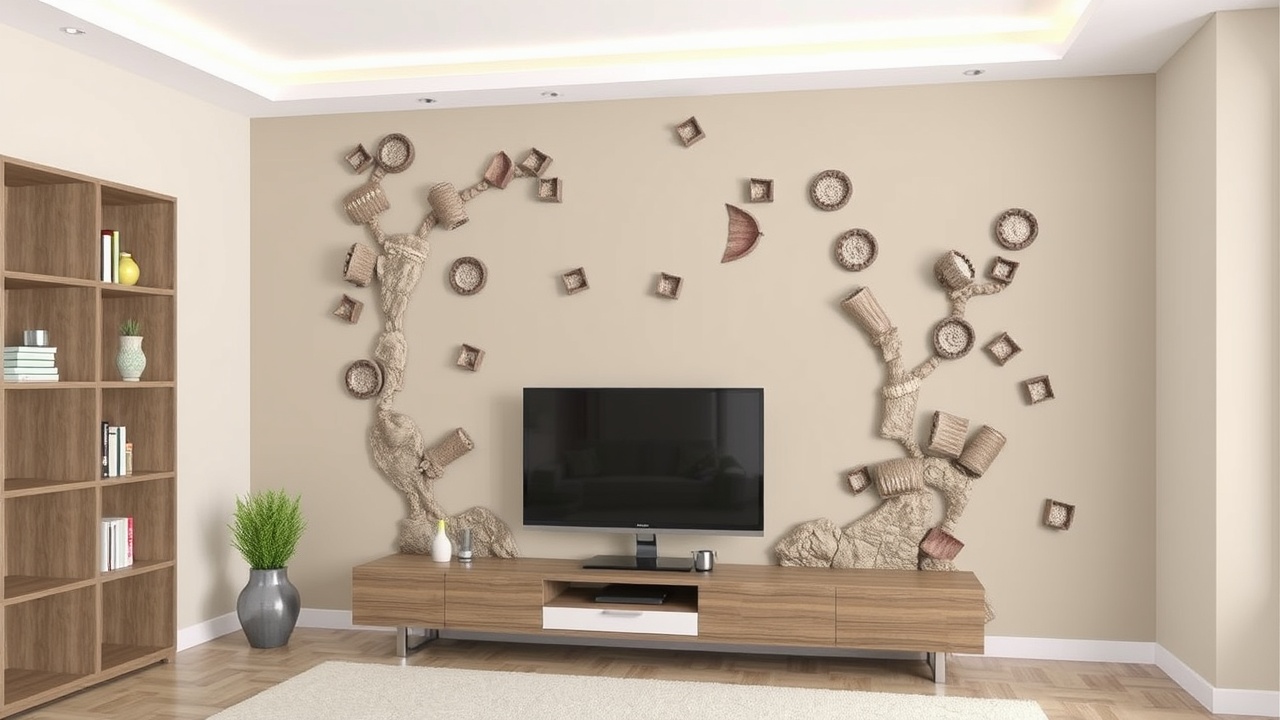
While the aesthetic and educational benefits of 3D wall decor are significant, schools must also consider the practical aspects of its implementation, including material choices, safety, durability, and maintenance.
Material Selection and Durability
The choice of materials will significantly impact the longevity, safety, and cost of 3D wall decor.
- Foam and Rigid Foam: Lightweight and versatile, these can be carved and shaped into intricate designs. They are generally cost-effective but may require protective coatings for durability and easy cleaning.
- Wood and MDF: Offer a more robust and premium feel. Wood can be carved or sculpted, while MDF can be cut and layered to create intricate patterns. They are durable but can be heavier and more expensive.
- Metal and Composite Materials: For more contemporary and durable applications, metals like aluminum or stainless steel can be used, often for geometric designs or signage. Composite materials offer a good balance of durability and design flexibility.
- Fabric and Vinyl with Layering: Large-scale murals can be enhanced with layers of fabric or vinyl to create a 3D effect. These are often easier to install and maintain but may be less durable than solid materials.
Safety and Accessibility Standards
School environments have stringent safety regulations. Any 3D wall decor must comply with these standards to prevent accidents and ensure inclusivity.
- Rounded Edges and Protrusions: Avoid sharp edges, points, or excessive protrusions that could pose a hazard, especially in high-traffic areas or areas frequented by younger children. All edges should be smoothed and beveled.
- Fire Retardancy: Materials used must be fire-retardant and comply with building codes for educational facilities.
- Allergen-Free Materials: Consider the use of hypoallergenic materials to accommodate students with allergies or sensitivities.
- Accessibility and Wayfinding: Ensure that 3D elements do not obstruct pathways or interfere with accessibility for individuals with disabilities. Tactile elements used for wayfinding should be at an appropriate height and contrast.
Installation and Maintenance
Proper installation is crucial for the longevity and safety of 3D wall decor. Maintenance plans should also be established.
- Professional Installation: For complex or large-scale installations, engaging professional installers is recommended to ensure secure mounting and adherence to safety standards.
- Regular Cleaning: Develop a cleaning schedule using appropriate cleaning agents for the chosen materials. Some materials may require specialized cleaning techniques.
- Inspection and Repair: Periodically inspect the decor for any signs of damage, wear, or loosening. Prompt repairs are essential to maintain safety and aesthetics.
- Consideration for Future Updates: Design choices can be made to allow for easier updates or modifications in the future, accommodating evolving curriculum or thematic needs. Modular designs can facilitate this.
If you’re looking for innovative ideas to enhance the atmosphere of your classroom, consider exploring the concept of 3D school wall decoration. This approach not only adds a unique visual appeal but also fosters a more engaging learning environment. For more insights on how to effectively implement these designs, check out this informative article on creative wall decorations that can transform your educational space.
The Long-Term Impact of 3D Wall Decor on the School Community
The introduction of 3D wall decor extends beyond mere visual improvement; it has the potential to foster a more positive and productive school culture, impacting students, staff, and the broader community.
Enhancing Student Well-being and Engagement
A visually stimulating and thoughtfully designed environment can significantly contribute to student well-being.
- Reducing Anxiety and Stress: Well-designed spaces can be calming and less institutional, helping to alleviate student anxiety, particularly in younger children or those experiencing academic pressure.
- Stimulating Curiosity and Creativity: Immersive environments can spark curiosity, encourage imaginative thinking, and inspire students to explore new ideas and subjects.
- Promoting a Sense of Belonging: When the school environment reflects inclusivity and celebrates diversity through its decor, students are more likely to feel a sense of belonging and pride in their educational institution.
- Improving Focus and Concentration: In some cases, strategically placed 3D elements can serve as focal points for learning or break up monotony, helping students maintain focus. However, careful consideration is needed to avoid overstimulation.
Supporting Staff and Educational Goals
The benefits of 3D wall decor are not limited to students; educators and administrators can also reap rewards.
- Reinforcing Educational Objectives: As discussed, 3D decor can serve as a powerful pedagogical tool, making abstract concepts tangible and supporting curriculum delivery.
- Creating Inspiring Workspaces: Well-designed common areas and staff rooms can contribute to staff morale and create more pleasant and productive work environments.
- Facilitating Communication and Branding: 3D elements can effectively communicate the school’s mission, values, and achievements, strengthening its identity and brand.
- Enhancing Parental and Community Engagement: A visually appealing and engaging school environment can contribute to a positive perception among parents and the wider community, fostering stronger partnerships.
Fostering a Positive School Culture
Ultimately, the consistent and thoughtful application of 3D wall decor can contribute to a more vibrant and positive school culture.
- Transforming the School from Institution to Inspiration: It shifts the perception of the school from a purely functional building to a dynamic and enriching environment that nurtures growth and discovery.
- Encouraging Dialogue and Interaction: Well-designed 3D features can act as conversation starters, encouraging interaction and collaboration among students and staff.
- Creating Lasting Impressions: Memorable and engaging environments leave a lasting positive impression on students, contributing to fond school memories and a lifelong appreciation for learning.
In conclusion, the integration of 3D wall decor represents a forward-thinking approach to school design. By investing in these multidimensional enhancements, educational institutions can cultivate environments that are not only aesthetically pleasing but also pedagogically effective, promoting student well-being, fostering engagement, and ultimately contributing to a more enriching and successful learning experience for all. The careful planning, material selection, and consideration for the specific needs of different age groups will ensure that these dynamic transformations yield long-term positive outcomes.
FAQs
What is 3D school wall decoration?
3D school wall decoration refers to the use of three-dimensional elements and designs to decorate the walls of a school. This can include a variety of materials such as paper, cardboard, foam, and other craft supplies to create visually engaging and interactive displays.
What are the benefits of 3D school wall decoration?
3D school wall decoration can enhance the learning environment by creating a more visually stimulating and engaging space for students. It can also be used to showcase student work, promote school spirit, and reinforce educational concepts in a creative way.
How is 3D school wall decoration created?
3D school wall decoration can be created using a variety of techniques such as paper mache, papercraft, foam sculpting, and other crafting methods. It often involves a combination of artistic skills, creativity, and attention to detail to bring the designs to life.
What are some popular themes for 3D school wall decoration?
Popular themes for 3D school wall decoration include educational subjects such as science, history, and literature, as well as seasonal themes, school events, and inspirational messages. The themes can be tailored to the specific interests and curriculum of the school.
How can 3D school wall decoration be used in the classroom?
3D school wall decoration can be used as a teaching tool to visually reinforce educational concepts, spark creativity, and inspire students. It can also serve as a backdrop for school performances, events, and presentations, adding an extra dimension to the learning environment.