


Creative Wall Clings: Transform Your Space
In the realm of interior design, wall adornment has always been a key element. From paint to wallpaper, the options for altering a room’s aesthetic have evolved considerably. Among these, creative wall clings have emerged as a versatile and often overlooked solution for both temporary and semi-permanent decor. These adhesive-backed images, patterns, and designs offer a practical alternative to more traditional methods, allowing for significant visual impact without the associated commitment or expense.
Wall clings are essentially large-format stickers, typically made from vinyl or a similar material. Their primary advantage lies in their non-destructive application and removal, making them ideal for renters, those seeking frequent design changes, or individuals who prefer not to deal with the intricacies of paint and wallpaper. They can transform a drab wall into a focal point, add a touch of personality, or serve a functional purpose, all with relative ease.
The adaptability of wall clings is a significant factor in their growing popularity. Unlike permanent fixtures, they offer a degree of freedom that appeals to a broad demographic. This versatility extends beyond mere aesthetics, encompassing practical applications and various design styles.
Beyond the Bedroom Wall
While often associated with children’s rooms, wall clings are not limited to juvenile designs. Their application spans across all ages and room types. A sophisticated geometric pattern can elevate a living room, while a subtle botanical print can introduce a calming element to a bathroom. The market now offers designs suitable for virtually any interior theme, from minimalist to bohemian.
Functional Applications
Beyond purely decorative uses, wall clings can serve practical purposes. Whiteboard or blackboard clings provide writeable surfaces for notes, reminders, or creative expression without the need for traditional boards. Calendar clings offer an organized visual aid, and height charts for children can be conveniently placed and updated. Some clings are also designed with textured surfaces, adding a tactile element to a room’s decor.
If you’re looking to enhance your home decor with unique designs, you might find inspiration in this article about creative wall clings that can transform any space. Wall clings, like the ones featured in the Coffee Heart Vinyl Quote Wall Sticker, offer a versatile and removable option for personalizing your walls without the commitment of paint or wallpaper.
Material Matters: What Wall Clings Are Made Of
The composition of a wall cling directly impacts its performance, appearance, and longevity. Understanding these material differences is crucial for selecting the right product for a specific application.
Vinyl: The Workhorse
Most wall clings are made from vinyl. This material offers durability, water resistance, and relative ease of printing. Vinyl clings are typically available in various finishes, including matte, glossy, and satin, allowing for different visual effects. The quality of the vinyl can vary, influencing factors such as tear resistance and how smoothly the cling adheres to a surface. Higher-quality vinyl tends to be more pliable and less prone to bubbling during application.
Fabric Wall Clings: A Softer Touch
Fabric wall clings, often made from polyester, offer a different aesthetic and feel. They tend to have a softer, more textile-like texture compared to vinyl. This can be desirable for a less reflective, more integrated look. Fabric clings are generally more forgiving during installation, as they are less prone to creasing and can often be repositioned more easily without losing their adhesive properties. They are also less likely to stretch or distort when being applied or removed.
Adhesive Types: The Key to Adhesion
The adhesive used on a wall cling is paramount. Most clings utilize a low-tack, removable adhesive designed not to damage painted surfaces upon removal. However, the strength of this adhesive can vary. Some clings are designed for single, long-term application, while others are explicitly marketed as repositionable. It’s important to research the adhesive type to ensure it aligns with your intentions for the cling’s lifespan and potential movement. Aggressive adhesives, while providing strong hold, can sometimes lift paint or leave residue, especially on poorly prepped or older surfaces.
Installation and Removal: A User-Friendly Approach

One of the primary benefits of wall clings is their relatively straightforward installation and removal process, especially when compared to traditional wallpaper or murals. However, proper technique is essential for achieving a professional finish and preventing surface damage.
Surface Preparation: The Foundation of Success
Before applying any wall cling, surface preparation is critical. The wall should be clean, dry, and smooth. Dust, dirt, or grease can compromise the adhesive, leading to peeling or bubbling. A mild soap and water solution, followed by thorough drying, is usually sufficient. For newly painted walls, it’s advisable to allow the paint to cure fully, typically for several weeks, before applying clings, as fresh paint can be more susceptible to damage during removal.
The Application Process: Step-by-Step
While specific instructions may vary by manufacturer, the general application process involves carefully peeling a portion of the backing paper and aligning the cling. Using a squeegee or a soft cloth, smooth the cling onto the wall, working from the center outwards to eliminate air bubbles. Slowly removing the remaining backing paper while continuing to smooth ensures an even application. For larger clings, a second person can be helpful for alignment and support.
Safe Removal: Preserving Your Walls
Removing wall clings is generally a simple process. Begin by gently peeling a corner of the cling. Pull slowly and steadily at a shallow angle, keeping the cling as close to the wall as possible. Avoid sharp, quick tugs, as this can increase the risk of damaging the paint. If the cling is proving stubborn, a low-heat blow dryer can sometimes be used to slightly warm the adhesive, making it more pliable. Any residual adhesive can often be removed with a mild cleaning solution or rubbing alcohol, but it’s prudent to test such solutions on an inconspicuous area first.
Design Considerations: Maximizing Impact
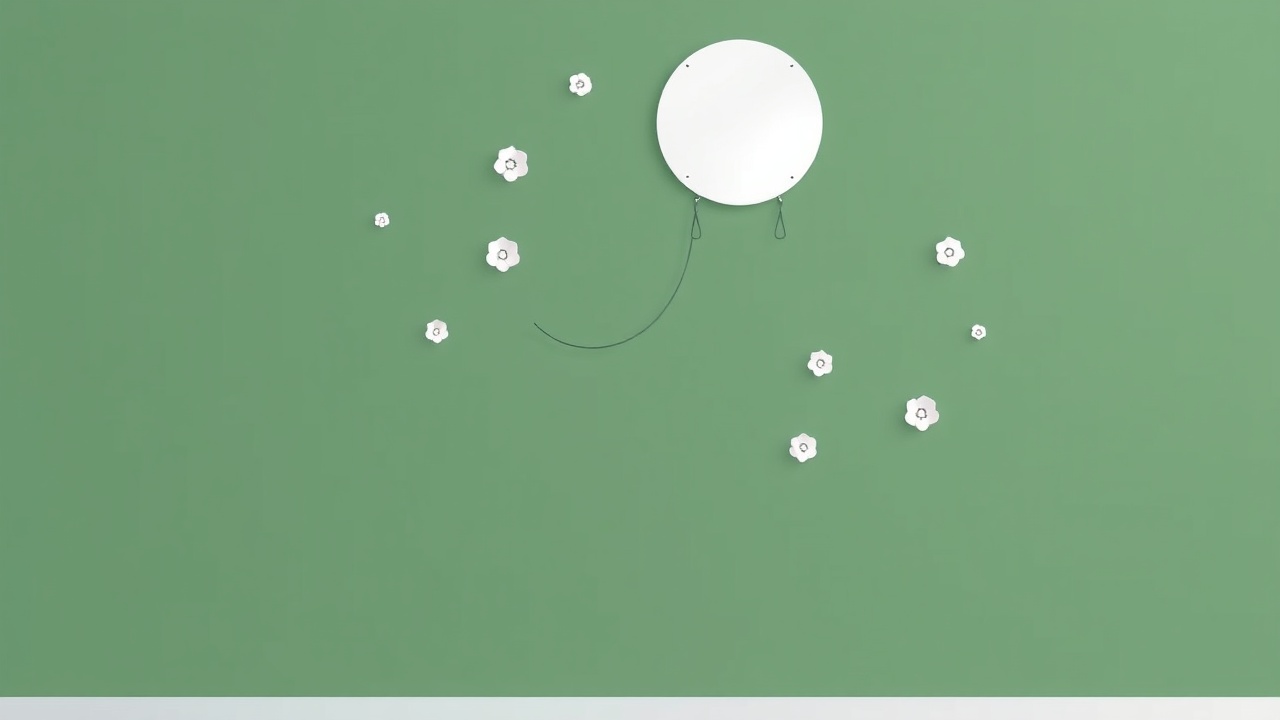
The effectiveness of a wall cling goes beyond its physical application; thoughtful design choices are paramount to achieving the desired aesthetic outcome. Integrating clings harmoniously into an existing space requires more than just choosing a pleasant image.
Scale and Proportion: Avoiding Overwhelm
The size of the wall cling in relation to the wall and the room is a crucial consideration. A small, intricate design might be lost on a large, expansive wall, while an oversized graphic could overwhelm a compact space. Consider the overall balance of the room. A cling should complement, not detract from, existing furniture and decor. Using painter’s tape to mark out the intended placement of a cling beforehand can provide a visual approximation of its scale and impact.
Color Palettes: Blending or Contrasting
The color scheme of the cling should be carefully chosen. Does it harmonize with the existing room palette, or is it intended to provide a bold contrast? Harmonious colors can create a sense of calm and continuity, while contrasting colors can introduce energy and visual interest. Consider the undertones of the existing paint and decor when selecting cling colors. A professional color wheel can be a useful tool for understanding how different hues interact.
Thematic Cohesion: Telling a Story
Wall clings can contribute to a room’s overall theme or narrative. A botanical illustration might enhance a nature-inspired space, while a geometric pattern could reinforce a modern aesthetic. Avoid introducing disparate themes that may create visual clutter or a disjointed feel. The cling should feel like an integrated part of the room’s story, rather than an afterthought. If the room has a defined style, select clings that naturally resonate with that style.
Placement Strategy: Beyond the Center
While a central placement often works for focal points, consider other arrangements. Off-center placement can create dynamic tension and visual interest. Multiple smaller clings can be arranged in a cluster or a repeating pattern to create a gallery-wall effect. Consider how light falls on the wall throughout the day; a cling placed in a well-lit area will naturally draw more attention. Explore the concept of negative space – the empty areas around the cling can be as important as the cling itself in shaping the visual impact.
Wall clings are a fantastic way to add a touch of personality to any space, and if you’re looking for inspiration, you might find this article on green leaves wall stickers particularly helpful. These versatile decorations not only enhance the aesthetic of your home but also allow for easy removal and repositioning, making them perfect for renters or anyone who loves to change their decor frequently.
Longevity and Care: Maintaining Your Wall Clings
| Wall Clings Metrics | 2020 | 2021 |
|---|---|---|
| Number of Wall Clings | 500 | 750 |
| Engagement Rate | 15% | 20% |
| Conversion Rate | 10% | 12% |
While wall clings are generally durable, their longevity and appearance can be significantly influenced by proper care and environmental factors. Understanding these elements can help ensure your investment provides lasting visual appeal.
Environmental Factors: Mind the Elements
Extreme temperatures and direct sunlight can affect both the appearance and adhesive properties of wall clings. Prolonged exposure to intense sunlight can cause colors to fade over time, particularly for designs printed with UV-sensitive inks. High humidity can sometimes weaken adhesives, especially on less porous surfaces, leading to edges lifting. Conversely, very dry environments can accelerate the drying out of some adhesives. It’s advisable to place clings away from direct heat sources, such as radiators, and to consider UV-protective coatings if sun exposure is unavoidable.
Cleaning Regimens: Keeping Them Pristine
Cleaning wall clings is typically straightforward. For most vinyl and fabric clings, a soft, damp cloth is sufficient to wipe away dust and light smudges. Avoid abrasive cleaners, harsh chemicals, or vigorous scrubbing, as these can damage the printed surface or the adhesive. If a cling becomes significantly soiled, a very mild soap solution can be used, ensuring to thoroughly rinse and dry the cling afterward. Regular, gentle dusting will help prevent dirt build-up and maintain the cling’s appearance over time.
Repositioning and Storage: Extending Life
While many clings are advertised as repositionable, frequent movement can gradually degrade the adhesive. If you intend to reposition a cling multiple times, choose products specifically designed for this purpose. When storing clings, ensure the original backing paper is retained or use an alternative non-stick surface. Rolling the cling, rather than folding it, helps prevent creasing and damage to the image. Store clings in a cool, dry place, away from direct sunlight and extreme temperature fluctuations, to preserve their adhesive qualities and prevent material degradation.